
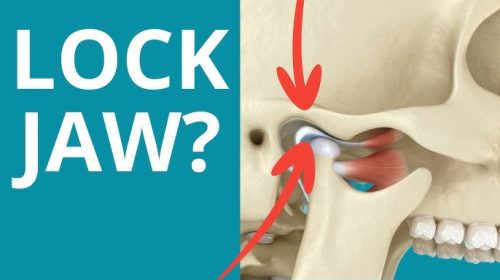
Jaw lock, also known as trismus or limited jaw opening, is a condition where a person finds it difficult or impossible to open or close their mouth properly. This condition can be painful and disruptive, affecting eating, speaking, and daily comfort. It may result from temporomandibular joint (TMJ) disorders, muscle inflammation, trauma, dental infections, or prolonged teeth clenching. Understanding the available treatment options is essential for restoring normal jaw function and preventing long-term complications.
Effective management of jaw lock requires identifying the underlying cause and applying appropriate treatment methods. Many patients seek professional care for issues like jaw lock treatment, which focuses on relieving muscle tension, improving joint mobility, and addressing pain. With timely intervention, most cases of jaw lock can be significantly improved without invasive procedures. The following methods highlight proven approaches to restore comfortable and natural jaw movement.
Table of Contents
Toggle1. Hot and Cold Compress Therapy
Applying warm or cold compresses can help reduce inflammation and relax jaw muscles. Cold packs are useful for reducing swelling, while warm compresses improve blood circulation and relieve stiffness in the jaw area.
2. Jaw Stretching Exercises
Gentle jaw exercises can help improve mobility and gradually restore normal opening and closing movement. These exercises should be performed under professional guidance to avoid further strain on the joint.
3. Pain Relief Medication
Over-the-counter anti-inflammatory medications can help reduce pain and swelling associated with jaw lock. In more severe cases, a dentist or doctor may prescribe stronger medication to manage symptoms effectively.
4. Muscle Relaxants
When jaw lock is caused by severe muscle tension, muscle relaxants may be recommended. These medications help reduce spasms and allow the jaw muscles to relax, improving movement.
5. Dental Splints or Mouthguards
Custom-made splints are often used to reduce pressure on the jaw joint and prevent teeth clenching or grinding. These devices help reposition the jaw and promote proper alignment during healing.
6. Soft Diet and Lifestyle Adjustments
Eating soft foods and avoiding hard, chewy, or sticky items can reduce strain on the jaw. Lifestyle changes such as avoiding gum chewing and excessive talking can also help the jaw recover faster.
7. Physiotherapy and Professional Jaw Therapy
In more persistent cases, physiotherapy may be recommended. This includes guided jaw exercises, massage therapy, and manual techniques to improve joint flexibility and reduce muscle tension.
Conclusion
Jaw lock can be a painful and limiting condition, but with the right treatment approach, recovery is highly achievable. From simple home remedies like compress therapy to professional dental care and physiotherapy, multiple effective solutions are available. Early diagnosis and consistent treatment are key to restoring normal jaw movement and improving overall oral comfort and function.