A reliable security camera system depends on more than just high-quality cameras and recording devices. The cabling used to connect surveillance equipment plays a major role in maintaining stable video transmission and overall system performance. In analog CCTV systems, BNC cables continue to be one of the most trusted solutions for delivering consistent video signals.
Selecting the proper cable type can help prevent signal loss, image distortion, and connection failures. Many installers and system integrators rely on cctv bnc cables because they offer secure connectivity and dependable performance across a wide range of surveillance applications.
Table of Contents
ToggleWhat Are CCTV BNC Cables?
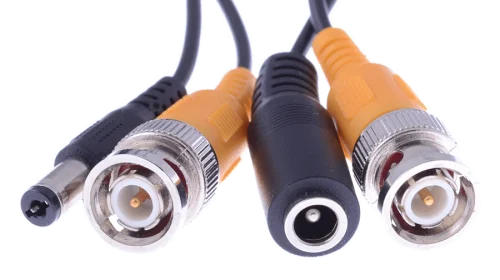
CCTV BNC cables are coaxial cables equipped with BNC connectors on both ends. The BNC connector uses a locking mechanism that keeps the cable securely attached to cameras, DVRs, and monitors.
These cables are specifically designed for video signal transmission in surveillance systems. Their shielded construction helps reduce interference from nearby electrical devices, ensuring clearer and more stable footage.
BNC cables are commonly used with:
- Analog CCTV cameras
- HD-TVI systems
- HD-CVI systems
- AHD surveillance equipment
- DVR-based security systems
Their compatibility with both older and upgraded analog systems makes them widely used in modern surveillance installations.
Factors to Consider When Choosing BNC Cables
Not all CCTV cable setups are the same. Several factors should be evaluated before selecting the right cable for a specific installation.
Transmission Distance
Cable length directly affects video signal quality. Longer cable runs may experience signal degradation if the wrong cable type is used.
For shorter distances, standard coaxial cables may perform adequately. For larger installations, cables with improved shielding and lower signal loss are usually preferred.
Installation Environment
Indoor and outdoor environments place different demands on surveillance cables.
Outdoor installations require cables that can withstand:
- Moisture
- UV exposure
- Temperature changes
- Physical wear
Choosing weather-resistant cable jackets can improve long-term durability in exposed conditions.
Video Resolution Requirements
Modern HD-over-coax systems support much higher resolutions than traditional analog systems. Higher-definition cameras may require better-quality cables to maintain image clarity over longer distances.
Using low-quality cabling with high-resolution cameras can reduce overall system performance.
Shielding Quality
Electrical interference can negatively affect video signals. Well-shielded cables help minimize noise and maintain stable footage, especially in industrial or commercial environments with heavy electrical equipment.
Common Types of CCTV BNC Cables
Different cable types are designed for different surveillance needs.
RG59 Cable
RG59 is widely used in residential and small business surveillance systems. It offers flexibility and reliable performance for moderate cable distances.
This cable type is often selected for standard analog camera installations.
RG6 Cable
RG6 cables feature thicker conductors and stronger shielding than RG59. They are commonly used in larger buildings or installations requiring longer cable runs.
The additional shielding helps reduce interference and signal loss.
Siamese Cable
Siamese cables combine video and power transmission into one cable assembly. This setup simplifies installation and reduces the need for multiple separate cables.
Installers often use Siamese cables for multi-camera systems where efficient cable management is important.
Importance of Proper Connector Quality
Even high-quality coaxial cables can perform poorly if connectors are damaged or improperly installed. Secure BNC connectors are essential for maintaining reliable signal transfer.
Loose or poorly crimped connectors may cause:
- Flickering video
- Signal interruptions
- Static interference
- Loss of image quality
Using professionally installed connectors can improve system stability and reduce maintenance issues.
Tips for Better CCTV Cable Installation
Correct installation practices help maximize cable performance and system lifespan.
Avoid Sharp Bends
Excessive bending can damage the cable’s internal structure and reduce signal quality.
Keep Distance From Power Lines
Running CCTV cables alongside electrical wiring may increase interference. Maintaining separation between signal and power cables can help preserve video clarity.
Use Protective Conduits Outdoors
Outdoor cables are vulnerable to weather exposure and physical damage. Protective conduits add an extra layer of security and durability.
Test the System Before Finalizing
Always test cameras and cable connections before completing installation. Early testing helps identify signal issues before the system becomes operational.
Why BNC Cables Remain Popular
Although IP camera systems are growing in popularity, BNC-based systems continue to be widely used because they are cost-effective and easy to maintain.
Many property owners choose to upgrade cameras while keeping their existing coaxial cable infrastructure. This allows for improved video quality without requiring a complete system replacement.
BNC cables also remain attractive for users who prefer simple installation and dependable analog system performance.
Conclusion
Choosing the right CCTV BNC cables is an important step in building a reliable surveillance system. Factors such as transmission distance, environmental conditions, shielding quality, and cable type all influence overall video performance.
Whether installing a home security system or managing a large commercial surveillance network, selecting high-quality cables and connectors helps ensure stable video transmission and long-term reliability. Proper planning and installation can significantly improve the effectiveness of any CCTV setup.