
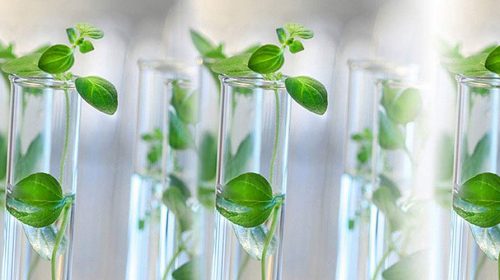
Large-scale horticulture and commercial farming depend heavily on the quality of planting material used at the beginning of the production cycle. When sourcing tissue culture plants in bulk, growers must evaluate multiple factors to ensure healthy growth, uniformity, and long-term profitability. A careful selection process can significantly reduce risks and improve overall plantation success.
Tissue culture technology has become a preferred propagation method because it produces disease-free, genetically uniform plants under controlled laboratory conditions. However, not all suppliers maintain the same production standards, which makes careful sourcing essential for commercial growers. Reliable sourcing decisions directly influence yield quality, survival rates, and operational efficiency.
For growers looking for dependable supply options, Wholesale Tissue Culture Plants are often considered a practical choice when consistency, scalability, and plant health are top priorities. Choosing the right source ensures that plantations begin with strong, uniform material that supports long-term production stability.
Table of Contents
ToggleQuality and Genetic Consistency
One of the most important factors in sourcing tissue culture plants is genetic uniformity. High-quality plants should be true-to-type, meaning they closely match the characteristics of the parent plant without unwanted variations.
When evaluating quality, growers should consider:
- Consistency in plant size and growth behavior
- Absence of visible deformities or mutations
- Verified mother plant selection and maintenance practices
Genetic consistency ensures predictable yields and uniform crop development, which is essential for commercial-scale production.
Disease-Free Certification and Laboratory Standards
A major advantage of tissue culture propagation is the ability to produce disease-free plants. However, this is only guaranteed when strict laboratory protocols are followed. Growers should always assess the hygiene and certification standards of the supplier’s facility.
Important indicators include:
- Sterile production environment and controlled conditions
- Regular pathogen testing and quality checks
- Proper documentation of plant health status
Plants produced under certified conditions reduce the risk of introducing harmful pathogens into large-scale farming systems, helping maintain plantation health from the start.
Supplier Reputation and Production Capacity
The reliability of a supplier plays a crucial role in large-scale sourcing decisions. Established suppliers with strong production capabilities are better equipped to handle bulk orders and maintain consistency across batches.
Key considerations include:
- Track record in commercial plant supply
- Ability to meet large-volume requirements on time
- Experience with international or large-scale distribution
A dependable supplier ensures stable supply chains, which is essential for commercial growers who rely on timely planting schedules.
Acclimatization and Hardening Process
Before tissue culture plants are transferred to open environments, they must undergo acclimatization, also known as hardening. This step is critical for ensuring survival after transplantation.
Growers should verify:
- Whether plants are properly acclimatized before shipment
- Survival rates reported after field transfer
- Post-delivery support or guidance provided by the supplier
Well-hardened plants adapt more quickly to field conditions, resulting in higher survival rates and stronger early growth.
Cost Efficiency and Long-Term Value
While pricing is an important consideration, it should not be the only deciding factor. The true value of tissue culture plants lies in their long-term performance rather than initial cost.
Important cost-related factors include:
- Survival rate after planting
- Yield performance and growth speed
- Reduction in replanting or disease-related losses
Investing in higher-quality plants often results in better overall returns due to improved efficiency and reduced maintenance costs.
Packaging, Transportation, and Logistics
Proper handling during transportation is essential to preserve plant quality. Tissue culture plants are sensitive and require careful packaging to prevent damage and dehydration during transit.
Key logistics considerations include:
- Secure and moisture-controlled packaging
- Efficient transportation methods to minimize stress
- Reliable delivery timelines for large orders
Good logistics practices ensure that plants arrive in optimal condition and are ready for successful acclimatization.
Conclusion
Sourcing tissue culture plants for commercial use requires careful evaluation of quality, supplier reliability, and post-production handling practices. By focusing on genetic consistency, disease-free certification, acclimatization processes, and logistics, growers can significantly improve plantation success rates.
As commercial agriculture continues to expand, making informed sourcing decisions becomes increasingly important. Selecting the right supplier ensures healthier crops, better yields, and more efficient large-scale production systems built for long-term success.