Steel purlins are important components in modern construction because they provide secondary support for roofing sheets, wall cladding, and other building materials. Their efficient profiles help distribute structural loads while keeping framing systems relatively lightweight. Among the different types available, C-shaped purlins are widely used in warehouses, factories, agricultural buildings, and commercial structures because of their practical design and installation flexibility.
Selecting suitable C-Shaped Steel Purlins requires an understanding of their cross-sectional design, dimensions, material properties, and intended applications. These factors influence structural performance, connection requirements, and long-term durability. This article examines the main design features, advantages, and common uses of C-shaped steel purlins in construction.
What Are C-Shaped Steel Purlins?
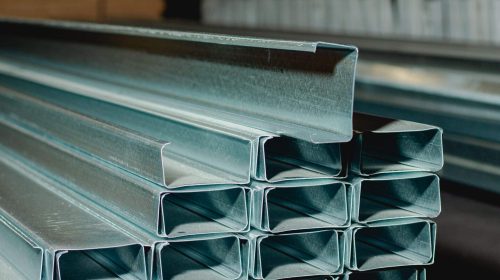
C-shaped steel purlins are cold-formed structural members with a cross-section resembling the letter C. They generally consist of a central web, two projecting flanges, and sometimes small return lips along the outer edges of the flanges.
These components are commonly installed horizontally across roof frames to support roofing sheets and transfer applied loads to the primary structural system. They can also be used as horizontal supports for wall cladding and other building components.
C-shaped purlins are manufactured in different web heights, flange widths, thicknesses, and lengths. The exact dimensions depend on the manufacturer’s product series and the structural requirements of the project.
Design Features of C-Shaped Steel Purlins
The geometry of a C-shaped purlin gives it several characteristics that make it suitable for secondary framing systems.
1. Central Web
The web is the vertical section connecting the two flanges. It contributes to the overall structural depth and plays an important role in resisting shear forces.
Web height is one of the main dimensions used to identify a C purlin. A deeper section may provide greater bending stiffness, depending on its complete cross-sectional properties.
2. Flanges
The flanges extend outward from the web and provide surfaces for fastening and connecting the purlin to other structural elements.
Their width and thickness influence the section’s geometry, stability, and connection arrangements. Flange dimensions should be checked when selecting compatible brackets, cleats, and fasteners.
3. Return Lips
Many C-shaped purlins include small folded edges known as return lips. These features help improve the geometric stability of the section and can increase resistance to certain forms of local deformation.
The size and configuration of the lips vary among manufacturers and product specifications.
4. Cold-Formed Construction
Most C-shaped purlins are manufactured through cold-forming. Steel coils pass through a series of rollers that gradually shape the material into the required profile.
This process allows manufacturers to produce consistent sections with different dimensions and thicknesses while maintaining efficient material use.
5. Protective Surface Coatings
C-shaped purlins are available with different surface finishes. Galvanized steel is a common option because its zinc coating helps protect the underlying material from corrosion.
The appropriate coating depends on the building’s location, moisture exposure, and expected service conditions.
Structural Benefits of C-Shaped Steel Purlins
C-shaped purlins offer several advantages that make them suitable for different steel building systems.
Efficient Use of Material
Their folded cross-section provides useful structural properties without requiring a solid steel member. When properly designed, this can help reduce material consumption while meeting the required performance criteria.
Relatively Low Weight
Cold-formed purlins are generally lighter than many traditional hot-rolled structural sections. This can simplify transportation, handling, and installation while helping reduce the dead load of the roof system.
Versatile Installation
C-shaped purlins can be connected to primary steel frames using bolts, cleats, screws, and other suitable fittings. Their open profile provides accessible surfaces for different connection arrangements.
Dimensional Flexibility
Manufacturers offer C purlins in different sizes and thicknesses. This allows designers to select suitable sections for different roof spans, loading conditions, and building layouts.
Corrosion Protection Options
Galvanized and other coated products can provide improved resistance to environmental exposure compared with untreated steel. Selecting the right finish can help reduce corrosion-related maintenance.
Compatibility With Other Building Components
C purlins can be integrated with steel columns, rafters, trusses, roof sheets, insulation systems, and wall cladding. Their versatility makes them useful in many prefabricated and conventional building projects.
Common Applications of C-Shaped Steel Purlins
C-shaped purlins are used in a wide range of construction and industrial applications.
1. Industrial Warehouses
Warehouses often feature large roof areas supported by steel framing systems. C purlins are installed between primary structural members to support metal roofing sheets and transfer loads to the main frame.
Their dimensions and spacing must account for roof weight, wind pressure, uplift forces, and other design requirements.
2. Commercial Buildings
Factories, workshops, retail facilities, and commercial buildings may use C-shaped purlins as part of their roof support systems.
They provide a secondary framing layer that helps support roofing materials and maintain the required structural arrangement.
3. Agricultural Structures
Barns, storage sheds, equipment shelters, and other agricultural buildings frequently use steel roofing systems. Galvanized C purlins can be useful in these applications when their coating is suitable for the expected environmental exposure.
4. Wall Cladding Systems
C-shaped purlins can also serve as horizontal supports for exterior wall panels and cladding. They provide fixing surfaces for fasteners and help transfer wind loads from the building envelope to the primary structural frame.
5. Industrial Sheds and Workshops
Industrial sheds often require practical roofing systems that can cover large spaces. C purlins provide secondary support between the main structural members and accommodate different roofing materials.
6. Equipment Shelters
Suitable C-shaped sections may be incorporated into equipment shelters, maintenance structures, and selected utility buildings. Their dimensions and structural capacity should be checked against the intended loads and connection conditions.
C-Shaped Steel Purlins vs. Z-Shaped Purlins
C and Z purlins are two widely used cold-formed steel profiles. Although both serve as secondary structural members, their shapes influence how they are connected and arranged.
C-shaped purlins have a C-shaped cross-section and are commonly used in simple-span systems, wall supports, and applications where straightforward connections are preferred.
Z-shaped purlins have a Z-shaped profile. Their geometry can allow adjacent sections to overlap at support points, making them suitable for certain continuous-span roofing arrangements.
The choice depends on the roof layout, span requirements, connection details, and structural design. Neither profile is universally better for every application.
Important Specifications When Selecting C Purlins
Before purchasing or specifying C-shaped steel purlins, it is important to review the complete product information.
| Specification | Description | Why It Matters |
|---|---|---|
| Web height | Height of the central section | Influences structural depth |
| Flange width | Width of the projecting edges | Affects profile geometry and connections |
| Lip dimension | Size of the folded return edges | Influences section stability |
| Steel thickness | Thickness of the material | Affects weight and structural properties |
| Steel grade | Mechanical properties of the steel | Determines strength and ductility |
| Length | Overall member length | Supports installation planning |
| Surface coating | Galvanized or other protective finish | Helps manage corrosion exposure |
Exact measurements should be confirmed using manufacturer drawings and technical data sheets rather than relying on general product descriptions.
How to Choose the Right C-Shaped Steel Purlin
Selecting the appropriate purlin involves evaluating the complete building system.
- Identify the application: Determine whether the purlin will support roofing sheets, wall cladding, or another structural component.
- Confirm dimensions: Review web height, flange width, lip size, thickness, and required length.
- Evaluate loading conditions: Consider permanent loads, maintenance loads, wind pressure, uplift, and other relevant forces.
- Check support spacing: The distance between primary frames and the spacing between purlins influence the required section.
- Select the steel grade: Ensure that the material meets the project’s mechanical property requirements.
- Consider corrosion protection: Choose a suitable coating based on humidity, rainfall, industrial exposure, or coastal conditions.
- Review connection details: Confirm compatibility with the primary frame, fasteners, cleats, and bracing arrangements.
A qualified structural engineer should verify the section’s capacity, deflection, stability, bracing, and connections before installation.
Installation and Maintenance Best Practices
Correct installation helps C-shaped steel purlins achieve their intended structural performance.
Purlins should be positioned according to approved construction drawings and secured with suitable fasteners and connection components. Correct spacing, alignment, and bracing are essential for maintaining the stability of the roof system.
During handling and fabrication, care should be taken to avoid unnecessary damage to protective coatings. Exposed cut edges may require suitable treatment depending on the coating specification and environmental conditions.
Periodic inspections can help identify loose connections, corrosion, deformation, and other signs of deterioration. Maintenance requirements should reflect the building’s location and operating environment.
Conclusion
C-shaped steel purlins are versatile secondary structural members used in modern roofing and wall support systems. Their cold-formed design, relatively low weight, and flexible connection options make them suitable for warehouses, factories, commercial buildings, agricultural facilities, and industrial sheds.
Choosing the right purlin requires careful consideration of dimensions, thickness, steel grade, coating, support spacing, and loading conditions. With proper engineering, quality manufacturing, and correct installation, C-shaped steel purlins can contribute to efficient, durable, and reliable building structures.