Animatronic animals have become popular attractions in theme parks, museums, shopping centers, zoos, exhibitions, and family entertainment venues. By combining lifelike appearances with mechanical movement and sound effects, these models create engaging experiences that capture visitors’ attention. For businesses looking to introduce interactive displays or expand existing attractions, choosing the right model involves more than simply selecting an animal that looks impressive. Factors such as realism, durability, functionality, safety, and maintenance all play an important role.
When exploring Animatronic Animals For Sale, business owners should consider how each model will support their venue’s purpose and visitor experience. A realistic animal display can serve as an educational exhibit, a photo opportunity, an interactive centerpiece, or part of a larger themed environment. Understanding the available designs and technical features makes it easier to invest in a model that fits the project’s goals, available space, and operating requirements.
1. Understand the Different Types of Animatronic Animals
Animatronic animals are available in many shapes, sizes, and levels of mechanical complexity. Identifying the right category is the first step toward making a suitable purchase.
Wildlife and Zoo Animal Models
Wildlife models often represent animals such as lions, tigers, elephants, giraffes, bears, and wolves. These designs are particularly useful for zoos, wildlife exhibitions, nature-themed parks, and educational attractions.
They can help recreate natural habitats and introduce visitors to animal characteristics in an engaging visual format. Depending on the design, models may feature moving heads, blinking eyes, opening mouths, breathing motions, and simulated walking movements.
Prehistoric Animal Models
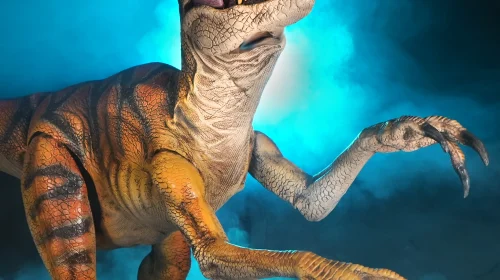
Dinosaurs and other prehistoric creatures are popular choices for themed attractions, science museums, and family entertainment venues. Models can range from smaller display figures to large, life-size creatures with complex movements.
A dinosaur exhibit can become more engaging when several models are arranged within a themed environment featuring artificial plants, rocks, lighting, and educational information.
Farm and Domestic Animal Models
Horses, cows, sheep, dogs, cats, and other familiar animals are suitable for children’s attractions, agricultural exhibitions, educational centers, and interactive play areas.
These models can help younger visitors recognize different species and learn about animal behavior through visual demonstrations.
Custom Animatronic Animal Designs
Some projects require animals that are not available in standard product collections. Custom manufacturing allows businesses to request particular species, sizes, colors, poses, and movement functions.
Custom models are especially useful when developing a distinctive attraction or recreating a specific environment.
2. Evaluate Realism and Appearance
Visual realism is one of the most important factors when selecting an animatronic animal. Visitors are more likely to engage with a model that accurately represents the animal’s natural appearance.
Several design details contribute to realism:
- Skin texture: Materials should resemble the animal’s natural surface, whether that means fur, scales, feathers, or wrinkled skin.
- Color accuracy: Natural-looking colors and carefully applied patterns help create a convincing appearance.
- Facial details: Eyes, teeth, noses, ears, and other facial features should be proportionate and carefully finished.
- Body proportions: The animal’s overall structure should reflect its real-world anatomy.
- Surface finishing: Paint, textures, and decorative details should be consistent and durable.
For outdoor or large-scale displays, appearance should also be evaluated from different viewing distances. A model may look detailed up close but still need strong proportions and recognizable features to make an impact from across an exhibition area.
3. Choose Movement Functions That Match Your Attraction
Mechanical movement is what distinguishes an animatronic animal from a conventional decorative sculpture. However, more movement does not automatically mean a better investment. The functions should support the intended visitor experience.
Common movement features include:
| Movement Feature | Visitor Experience |
|---|---|
| Head rotation | Creates the impression of awareness and attention |
| Eye blinking | Adds subtle lifelike detail |
| Mouth movement | Supports simulated roaring, talking, or animal sounds |
| Tail movement | Makes the animal appear more active |
| Body breathing | Creates a natural resting or standing effect |
| Limb movement | Simulates walking, running, or other actions |
Some models also include synchronized sound effects, motion sensors, remote controls, or programmed movement sequences.
For example, a museum may benefit from a model with controlled movements and synchronized educational audio. A theme park might prefer a larger animal with more dramatic actions and sound effects to attract visitors from a distance.
Before purchasing, ask the manufacturer to explain which movements are included, how they are controlled, and whether the operating sequence can be adjusted.
4. Consider Materials and Manufacturing Quality
The materials used in an animatronic animal directly affect its appearance, lifespan, and suitability for different environments.
Internal Mechanical Structure
A strong internal framework supports the animal’s weight and helps maintain stable movement. The mechanical system should be designed according to the model’s dimensions, weight, and intended functions.
Motors, joints, wiring, and other moving components should be appropriately selected and installed. Poor internal construction may lead to inconsistent movement, excessive noise, or frequent repairs.
Exterior Materials
Different materials are used to create realistic surfaces. Common options include silicone, flexible coatings, artificial fur, fiberglass, and other specialized materials.
The best choice depends on the animal’s design and where it will be displayed. Flexible materials may be suitable for detailed facial features, while reinforced exterior structures can support larger display models.
Weather Resistance
Outdoor installations require additional consideration. Rain, sunlight, humidity, temperature changes, and dust can affect both mechanical and exterior components.
If the model will be installed outside, ask whether its materials, electrical systems, and protective coatings are designed for the local environmental conditions. Do not assume that every animatronic animal is suitable for permanent outdoor operation.
5. Match the Model to Your Business Environment
A suitable animatronic animal should fit the venue in which it will operate. A model designed for a spacious outdoor attraction may not be practical for a small indoor exhibition.
Consider the following requirements before making a selection:
Available space: Measure the installation area, including ceiling height, entrance dimensions, walking paths, and clearance around moving parts.
Visitor flow: Place the model where visitors can view it comfortably without creating congestion or blocking emergency exits.
Audience: Consider whether the attraction is designed mainly for children, families, tourists, students, or general visitors.
Display purpose: Decide whether the animal will be used for education, entertainment, decoration, photography, or interactive activities.
Operating environment: Confirm whether the model is intended for indoor, outdoor, temporary, or permanent installation.
These considerations help prevent practical problems after delivery and ensure that the model contributes effectively to the overall attraction.
6. Review Safety and Maintenance Requirements
Safety is essential whenever mechanical displays are installed in public spaces. Animatronic animals may contain moving joints, electrical components, motors, and other mechanisms that require appropriate protection.
Before purchasing, check whether the model includes suitable safeguards, such as:
- Protected mechanical components and wiring.
- Stable mounting or support structures.
- Appropriate electrical insulation and connections.
- Safe movement limits and controlled operating sequences.
- Emergency stopping procedures where applicable.
- Clear installation and operating instructions.
Maintenance should also be considered from the beginning. Moving components may require inspection, cleaning, lubrication, adjustment, or replacement over time.
Ask the supplier for maintenance recommendations, troubleshooting guidance, spare-parts availability, and information about technical support. A model that is easy to inspect and service can reduce downtime and help protect the investment.
7. Compare Manufacturers Before Making a Purchase
Selecting a reliable manufacturer is just as important as choosing the animal itself. Product photographs alone may not provide enough information to evaluate manufacturing quality or technical capabilities.
A careful supplier assessment should include several factors.
Previous Projects and Experience
Review the manufacturer’s portfolio to understand the types of models it has produced. Experience with theme parks, museums, exhibitions, or commercial attractions can indicate familiarity with different project requirements.
Product Videos and Demonstrations
Request videos showing the actual model in operation. These can help you evaluate movement quality, sound synchronization, mechanical performance, and the overall appearance of the finished product.
Customization Capabilities
If your project requires specific dimensions, colors, movements, or design features, confirm that the manufacturer can accommodate those requirements.
Communication and Technical Support
A dependable supplier should provide clear information about product specifications, production schedules, installation requirements, and after-sales assistance.
Warranty and Spare Parts
Ask about warranty coverage, exclusions, expected service life, and the availability of replacement components. These details are important when the model will operate frequently in a commercial environment.
Comparing manufacturers on these points can help businesses avoid choosing a supplier based solely on the lowest quoted price.
8. Understand the Factors That Affect Pricing
The cost of an animatronic animal varies depending on its design, dimensions, materials, mechanical functions, and customization requirements.
Important pricing factors include:
- Size: Larger models generally require more materials, stronger internal structures, and more complex transportation arrangements.
- Movement complexity: Additional motors and synchronized movements can increase manufacturing and maintenance costs.
- Surface detailing: Highly realistic textures, facial features, and specialized finishes may require more labor and materials.
- Customization: Unique animal designs, specific poses, and non-standard dimensions can increase production costs.
- Environmental requirements: Outdoor protection and specialized installation requirements may affect the total budget.
- Shipping and installation: Large models may require special packaging, freight arrangements, or professional installation.
When comparing quotations, look beyond the initial purchase price. Consider transportation, installation, electricity consumption, routine maintenance, replacement parts, and expected operating life.
A lower-cost model may not represent the best long-term value if it requires frequent repairs or cannot withstand the demands of the intended environment.
9. Plan Installation and Operation in Advance
Even a well-manufactured animatronic animal needs proper installation to perform effectively. Planning should begin before the model arrives.
First, confirm the dimensions and weight of the finished product. Check whether the delivery route, doors, elevators, and installation area can accommodate it. For larger models, determine whether lifting equipment or professional installation services will be necessary.
Next, review the electrical requirements. Confirm the required power supply, connection location, cable routing, and control-system setup. Any electrical installation in a public venue should follow applicable local regulations and be handled by qualified personnel.
It is also useful to establish an operating schedule. Continuous operation may not be necessary for every attraction. Timed movement sequences or sensor-based activation can help manage energy use and reduce unnecessary mechanical wear.
Finally, train the staff responsible for operating the model. They should understand basic controls, emergency procedures, daily checks, and the correct way to report technical problems.
10. Common Mistakes to Avoid When Buying Animatronic Animals
Businesses can make more informed purchasing decisions by recognizing common mistakes before committing to an order.
Choosing based only on appearance: Attractive photographs do not necessarily demonstrate reliable mechanics or durable construction. Review operational videos and technical specifications.
Ignoring the display environment: A model without suitable weather protection may deteriorate quickly when installed outdoors.
Overlooking maintenance: Moving systems require ongoing care. Confirm that replacement parts and technical support are available.
Buying a model that is too large: An oversized animal may restrict visitor movement or create installation difficulties.
Selecting unnecessary functions: Complex movement systems can increase costs without improving the visitor experience if the additional features are not relevant to the attraction.
Failing to confirm delivery details: Large animatronic models may require special packaging, shipping arrangements, and installation planning. Clarify these requirements before production begins.
Avoiding these mistakes can make the purchasing process more predictable and help ensure that the final product meets business expectations.
Conclusion
Choosing the right animatronic animal requires a balance of visual realism, mechanical performance, construction quality, safety, and long-term operating costs. Businesses should begin by identifying the purpose of the display, selecting an appropriate animal and size, and evaluating the features needed to create an engaging visitor experience.
It is equally important to work with a manufacturer that can provide clear specifications, demonstrate product performance, explain maintenance requirements, and offer dependable technical support. By evaluating these factors before purchasing, businesses can select animatronic animal models that complement their attractions and provide lasting value for visitors and operators alike.