Indoor air quality and energy efficiency are closely connected to the performance of a building’s ventilation and air conditioning systems. Air vents and connected ductwork help distribute conditioned air throughout indoor spaces, supporting comfortable temperatures and adequate ventilation. However, when these components are poorly insulated, unwanted heat transfer and condensation can affect system performance and indoor conditions.
Using appropriate Insulation For Air Vents can help reduce thermal losses, manage moisture, and maintain more consistent air temperatures as air moves through a ventilation network. When correctly specified and installed, insulation also helps protect duct surfaces and supports the efficient operation of HVAC equipment. Understanding how insulation works and where it is needed can help building owners and facility managers make better decisions about indoor environmental quality.
Why Air Vent Insulation Matters
Air vents are connected to ductwork that transports heated, cooled, or fresh air between HVAC equipment and occupied spaces. Depending on their location, these components may be exposed to significant temperature differences.
For example, ducts carrying cold air through warm, humid areas can experience condensation. Similarly, ducts transporting heated air through unconditioned spaces may lose heat before the air reaches its destination.
Insulating suitable sections of the ventilation system helps reduce these problems. It can also improve temperature consistency, reduce unnecessary energy consumption, and protect building components from moisture-related damage.
How Air Vent Insulation Improves Energy Efficiency
One of the main purposes of HVAC insulation is to limit unwanted heat transfer.
Without adequate insulation, air travelling through ducts may gain or lose heat depending on the surrounding environment. This means heating and cooling equipment may need to work harder to maintain the required indoor temperature.
1. Reducing Heat Gain and Heat Loss
Insulation creates a thermal barrier around ductwork and other suitable ventilation components.
In cooling systems, it helps limit heat entering cold-air ducts. In heating applications, it reduces the amount of warmth escaping from heated-air distribution systems.
Maintaining more stable air temperatures can improve the overall efficiency of HVAC installations.
2. Reducing HVAC Workload
When conditioned air maintains a temperature closer to the intended supply temperature, the system may require less additional heating or cooling to achieve indoor comfort.
This can reduce unnecessary equipment operation and contribute to lower electricity consumption.
The actual savings depend on factors such as duct location, insulation thickness, air leakage, system design, and operating schedules.
3. Supporting Consistent Indoor Temperatures
Poorly insulated ducts can contribute to uneven temperatures between rooms, especially when long duct sections pass through unconditioned spaces.
Suitable insulation helps reduce temperature changes along the distribution route.
This supports more consistent heating and cooling throughout the building.
The Relationship Between Vent Insulation and Indoor Air Quality
Insulation does not directly remove airborne pollutants or introduce fresh air. However, it can support indoor environmental quality by helping control conditions that affect ventilation systems and surrounding building materials.
Preventing Condensation and Moisture Problems
Condensation can develop when the surface temperature of a duct or vent falls below the dew point of the surrounding air.
This is particularly common in humid environments where cold air conditioning ducts pass through warm spaces.
Properly designed insulation helps keep external surfaces warmer and reduces the risk of moisture forming.
A suitable vapour control layer and carefully sealed joints are also important, especially in chilled-air applications.
Reducing the Risk of Mould Growth
Persistent moisture can create conditions that encourage mould growth on nearby surfaces and building materials.
Although insulation alone cannot eliminate mould risks, controlling condensation can help reduce one important source of moisture.
Buildings should also have appropriate ventilation, drainage, humidity control, and regular HVAC maintenance.
Maintaining Cleaner Ventilation Systems
Damaged or poorly maintained duct insulation can contribute to moisture accumulation and deterioration around ventilation components.
A properly installed insulation system helps protect suitable duct surfaces and maintain their condition.
Filters, duct interiors, and air handling equipment must still be cleaned and maintained according to the system’s requirements.
Common Types of Insulation Used Around Air Vents and Ductwork
The appropriate insulation material depends on the duct’s operating temperature, location, moisture exposure, fire requirements, and installation conditions.
Several options are commonly considered in HVAC applications.
Flexible Elastomeric Foam
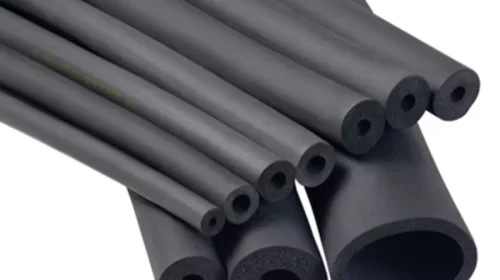
Flexible elastomeric foam is widely used in air conditioning and refrigeration systems.
Its closed-cell structure helps reduce heat transfer and restrict water vapour movement when the material is installed with properly sealed joints.
It is available in sheets, rolls, and other forms that can be adapted to suitable duct surfaces and mechanical components.
Fibreglass Insulation
Fibreglass insulation is commonly supplied in rolls, blankets, and boards.
It offers thermal resistance and can provide sound absorption in appropriate duct and building applications.
When used around outdoor or cold-air ductwork, it requires suitable vapour control and protective coverings to prevent moisture-related deterioration.
Mineral Wool
Mineral wool provides thermal and acoustic insulation and is available in several forms suitable for building services.
It may be selected where fire performance or sound absorption is an important consideration.
The specific product classification, temperature limits, and moisture protection requirements should be reviewed before installation.
Rigid Foam Boards
Rigid foam insulation can be used in selected ductwork applications where a stable, continuous insulation layer is required.
Its performance depends on the material formulation, thickness, joint treatment, and external protection.
Fire performance and suitability for the intended ventilation application must always be confirmed.
Where Should Air Vent Insulation Be Installed?
Not every part of a ventilation system requires the same insulation treatment. Priority should be given to sections where heat transfer or condensation is likely to affect performance.
Ducts in Roof Spaces
Roof spaces can experience substantial temperature fluctuations, particularly in buildings exposed to direct sunlight.
Ducts passing through these areas may gain heat during warmer periods or lose heat in colder conditions.
Appropriate insulation helps maintain supply-air temperatures as air travels through the roof space.
Ducts in Unconditioned Rooms
Ventilation ducts routed through garages, service areas, basements, and other unconditioned spaces may experience unwanted heat transfer.
Insulating these sections can help improve overall distribution efficiency.
Cold-Air Supply Ducts
Ducts carrying cooled air through humid environments are particularly vulnerable to condensation.
Suitable insulation thickness, vapour control, and sealed connections help reduce moisture formation.
External Ventilation Ducts
Ductwork installed outside buildings requires insulation that can withstand environmental exposure.
Protective cladding or weather-resistant coverings may be necessary to guard against rain, sunlight, wind, and physical damage.
The selected insulation system should be designed specifically for outdoor conditions.
Important Factors When Choosing Air Vent Insulation
Selecting a suitable product requires more than comparing insulation thickness or price.
Several technical factors should be considered before installation.
Thermal Conductivity
Thermal conductivity indicates how easily heat passes through an insulation material.
Lower conductivity generally means better resistance to heat transfer at a given thickness.
Manufacturers’ test data should be reviewed at relevant operating temperatures when comparing products.
Moisture and Vapour Resistance
For cold-air ventilation systems, moisture control is essential.
The insulation should have appropriate water vapour resistance, and the complete installation must prevent moisture from entering through joints and seams.
Fire Safety
HVAC insulation must satisfy applicable fire safety requirements.
Depending on the building and installation, important considerations may include reaction to fire, flame spread, and smoke production.
Always check product test reports and relevant local regulations.
Acoustic Performance
Ventilation systems can transmit noise from fans, air movement, and mechanical equipment.
Some insulation products can help absorb sound, but thermal insulation and acoustic performance are not interchangeable.
Where noise reduction is a priority, choose materials with suitable acoustic test data and consider additional measures such as duct silencers and vibration isolation.
Installation Compatibility
The insulation must fit the duct shape and work with the system’s supports, joints, access panels, and external coverings.
Incorrectly fitted insulation can leave gaps that reduce thermal performance and create opportunities for condensation.
Installation Practices for Better Performance
Correct installation is essential for achieving the intended benefits of air vent insulation.
Before starting, the duct surface should be inspected to identify dirt, moisture, corrosion, or existing damage.
The insulation should then be measured and cut accurately to provide consistent coverage.
Important installation practices include:
- Selecting the appropriate material and thickness for the application.
- Ensuring duct surfaces are clean and dry.
- Fitting insulation without unnecessary gaps or compression.
- Sealing joints with compatible adhesives and tapes.
- Maintaining continuity around bends, corners, and connections.
- Installing vapour barriers where required.
- Protecting exposed insulation from physical and environmental damage.
Air vents, access panels, and maintenance openings should remain accessible. Insulation must also be installed without obstructing airflow or interfering with dampers and other ventilation components.
Common Mistakes to Avoid
Several installation and material selection mistakes can reduce the effectiveness of an insulation system.
Using unsuitable materials: A product designed for indoor applications may not withstand outdoor weather exposure or the required operating temperature.
Ignoring condensation risks: Insufficient thickness or poorly sealed joints can allow moisture to form within the insulation system.
Blocking ventilation openings: Insulation should never obstruct the airflow path or reduce the intended free area of a vent.
Overlooking fire requirements: All materials should meet the relevant safety requirements for their location and application.
Neglecting maintenance: Damaged coverings and loose joints can gradually reduce system performance.
Avoiding these problems helps maintain reliable ventilation and thermal protection.
Maintenance and Inspection of Insulated Ventilation Systems
Regular inspections help identify problems before they become more expensive to repair.
Building maintenance teams should check for damaged insulation, loose seams, exposed duct surfaces, water stains, and signs of condensation.
Air filters should be replaced or cleaned according to manufacturer recommendations, while ventilation components should be inspected for dust accumulation and restricted airflow.
Where mould or persistent moisture is discovered, the underlying cause should be investigated rather than simply covering the affected area with additional insulation.
A maintenance programme that considers both insulation and ventilation performance can help preserve indoor comfort and system reliability.
Conclusion
Proper air vent insulation contributes to better HVAC performance by reducing unwanted heat transfer, helping control condensation, and protecting ductwork from environmental exposure. These benefits can support more stable indoor temperatures, lower unnecessary energy demand, and reduce moisture-related problems that may affect indoor environmental quality.
However, insulation is only one part of a healthy ventilation strategy. Effective filtration, adequate fresh-air supply, humidity management, and regular equipment maintenance are equally important.
By selecting materials suited to the application and ensuring professional installation, building owners and facility managers can improve ventilation system performance while supporting energy efficiency and healthier indoor spaces.