Swimming pools serve different purposes depending on where they are installed and who uses them. A residential pool is generally designed to provide homeowners with a private space for relaxation, exercise, and family recreation. Commercial pools, on the other hand, are built to accommodate larger groups of users in environments such as hotels, resorts, fitness centers, apartment complexes, and recreational facilities. Although both types require careful planning and professional construction, their design priorities can differ considerably.
Choosing the right Custom Swimming Pool design involves understanding how the intended environment will influence its dimensions, materials, safety features, equipment, and maintenance requirements. Residential and commercial projects each have unique considerations that affect the overall planning process. Understanding these differences helps property owners and facility managers make informed decisions when developing a swimming pool that meets their specific needs.
1. Purpose and Intended Use
The primary difference between residential and commercial swimming pools is how they are intended to be used. This influences almost every aspect of the design.
Residential Swimming Pools
Residential pools are typically designed around the preferences and lifestyle of a household. Their main purposes may include:
- Family recreation and supervised swimming.
- Relaxation and personal wellness.
- Fitness and swimming exercises.
- Outdoor entertainment and social gatherings.
- Enhancing the property’s outdoor appearance.
Because the number of regular users is generally limited, homeowners have greater freedom to prioritize personal preferences and decorative features.
Commercial Swimming Pools
Commercial pools are designed to serve multiple users, often throughout the day. They may support recreational swimming, organized activities, fitness programs, or guest amenities.
Hotels may prioritize attractive poolside environments, while fitness centers may require dedicated lap-swimming areas. Public and shared facilities must also consider user capacity, accessibility, supervision, and operational requirements.
2. Pool Size, Shape, and Layout
Dimensions and layout requirements vary depending on the expected number of swimmers and available space.
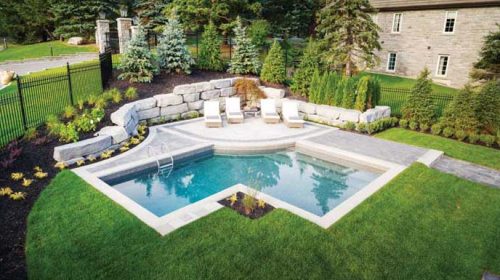
Residential pools can range from compact plunge pools to larger recreational designs. Their shapes are often selected to complement the property’s architecture and landscaping.
Commercial pools generally require more detailed space planning. Their dimensions may be influenced by expected occupancy, intended activities, accessibility requirements, and applicable regulations.
For example, a hotel pool may include separate recreational and shallow-water sections, while a fitness facility may prioritize longer swimming lanes.
The surrounding deck area also requires careful consideration. Commercial facilities usually need more circulation space to accommodate guests, staff, and maintenance activities.
3. Design Flexibility and Aesthetic Preferences
Residential projects often provide greater freedom for personal expression. Homeowners can select unique shapes, decorative finishes, lighting arrangements, and landscaping features that complement their property.
Popular residential design elements include:
- Infinity edges and geometric configurations.
- Waterfalls and decorative fountains.
- Built-in seating and tanning ledges.
- Integrated spa sections.
- Customized underwater lighting.
Commercial designs also consider visual appeal, but aesthetics must work alongside operational efficiency and user requirements.
A luxury resort may incorporate elaborate water features and premium finishes, whereas a community recreation facility may prioritize straightforward layouts and durable materials.
4. Construction Materials and Durability
Material selection is important for both residential and commercial swimming pools, but the expected level of use can influence construction decisions.
Residential pools may use concrete, fiberglass, or vinyl liner systems depending on the design, budget, and property conditions.
Commercial facilities generally need materials and finishes that can withstand frequent use, regular cleaning, and demanding operating schedules.
Common considerations include:
- Resistance to wear and chemical exposure.
- Slip-resistant surfaces around the pool.
- Durable interior finishes.
- Suitable coping and decking materials.
- Ease of inspection and repair.
The selected construction method should also comply with applicable structural and safety requirements.
5. Filtration and Water Treatment Systems
Water quality is essential regardless of the pool’s location. However, commercial swimming pools typically require more extensive water treatment and circulation planning because they serve larger numbers of users.
Residential filtration systems are generally selected according to pool volume, equipment specifications, and household usage.
Commercial facilities may require higher-capacity circulation equipment, more frequent water testing, and treatment systems designed to manage heavier usage.
Depending on local regulations, commercial operators may also need to maintain detailed water quality records and follow specific sanitation procedures.
Proper filtration and water treatment help maintain suitable swimming conditions and protect the pool’s equipment.
6. Safety and Regulatory Requirements
Safety is a fundamental part of every swimming pool project, but commercial facilities generally face additional operational and regulatory responsibilities.
Residential pools may require suitable fencing, secure gates, approved pool covers, alarms, and safe entry points, depending on local laws.
Commercial pools often have more extensive requirements because they are accessible to larger groups of people. These may include:
- Clearly displayed depth markings.
- Appropriate emergency equipment.
- Designated entry and exit points.
- Accessible facilities and pool access.
- Safety signage and operational procedures.
- Lifeguard arrangements where required.
- Compliance with local health and building regulations.
The exact requirements depend on the jurisdiction and the type of commercial facility. Consulting qualified professionals and relevant authorities during the planning stage is essential.
7. Accessibility and User Comfort
Residential pool designs can be tailored to the needs of a particular household. Homeowners may incorporate wider steps, handrails, shallow sections, or other features to improve accessibility.
Commercial facilities must consider a wider range of users, including children, older adults, and people with disabilities.
Depending on applicable accessibility standards, commercial pools may need suitable access provisions, such as compliant pool lifts, sloped entries, handrails, and accessible surrounding facilities.
Comfort also involves more than entering the water. Seating, shaded areas, changing facilities, and clear pathways contribute to a better experience for commercial pool users.
8. Heating, Lighting, and Additional Features
Both residential and commercial swimming pools can benefit from modern equipment and additional features. However, the selection process often reflects different priorities.
Residential homeowners may prefer features that enhance convenience and relaxation, such as:
- Energy-efficient heating systems.
- Smart pool automation.
- Underwater LED lighting.
- Automatic cleaning equipment.
- Water features and integrated spas.
Commercial facilities may focus more heavily on equipment reliability, operating efficiency, and the ability to manage multiple pool functions.
Heating systems must be sized appropriately for the pool volume and intended operating schedule. Similarly, lighting should provide adequate visibility while complementing the surrounding environment.
9. Maintenance and Operating Costs
Maintenance requirements can vary significantly between residential and commercial pools.
Residential maintenance generally involves routine cleaning, water testing, filter servicing, and equipment inspections. Homeowners may handle these responsibilities themselves or hire professional pool maintenance services.
Commercial pools usually require more structured maintenance programs because of their higher usage levels and operational responsibilities.
Typical considerations include:
- Frequent water quality monitoring.
- Regular cleaning and debris removal.
- Scheduled equipment inspections.
- Preventive maintenance and repairs.
- Chemical storage and handling procedures.
- Staff training and maintenance documentation.
Commercial facilities should account for these ongoing responsibilities when establishing their operating budgets.
10. Budget and Project Planning
The financial requirements of residential and commercial pool projects depend on several factors, including dimensions, construction methods, equipment, materials, and site conditions.
Residential projects generally allow homeowners to prioritize features according to personal preferences and available funds. They can choose between different construction methods and additional upgrades based on their intended use.
Commercial projects often involve more complex planning and higher operational expectations. In addition to construction expenses, facility owners may need to account for accessibility provisions, larger filtration systems, safety equipment, changing facilities, and ongoing maintenance contracts.
A detailed project estimate should include both initial installation costs and long-term operating expenses.
11. Choosing the Right Pool Design for Your Property or Facility
Selecting an appropriate design begins with understanding the project’s purpose and practical requirements.
For residential properties, the focus should be on household preferences, available outdoor space, architectural compatibility, and maintenance convenience.
For commercial facilities, planning should prioritize expected occupancy, user safety, operational efficiency, accessibility, and regulatory compliance.
In both cases, working with experienced pool designers and contractors can help identify suitable construction methods, equipment, and materials. Reviewing previous projects and requesting detailed proposals can also help ensure that the final design meets expectations.
Conclusion
Residential and commercial swimming pools share several construction principles, but their design requirements differ according to usage, capacity, safety, and operational needs. Residential pools generally emphasize personalization, comfort, and visual appeal, while commercial pools place greater importance on durability, accessibility, user capacity, and efficient management.
Understanding these distinctions makes it easier to select appropriate dimensions, materials, equipment, and additional features. With careful planning and professional guidance, both residential and commercial swimming pool projects can achieve a balance between functionality, safety, and long-term performance.