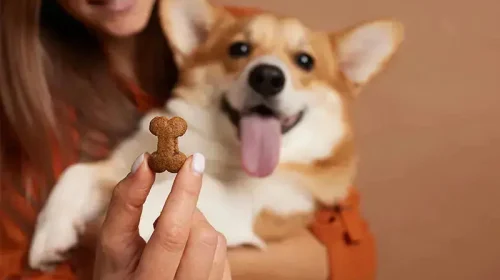
Chicken is a popular protein source in dog treats because of its familiar flavor, digestibility for many dogs, and nutritional value. When prepared through freeze-drying, chicken can be turned into lightweight treats with a concentrated aroma and a crisp, easy-to-break texture. These characteristics make freeze-dried chicken treats a practical option for pet owners and an interesting product category for pet food manufacturers.
For businesses developing or sourcing natural dog rewards, Freeze Dried Chicken Dog Treats offer a convenient format that can be produced with simple ingredients and different shapes or portion sizes. However, product quality depends on more than the drying method. Ingredient selection, food safety controls, nutritional formulation, and packaging all influence the finished treat.
What Are Freeze-Dried Chicken Dog Treats?
Freeze-dried chicken dog treats are made by removing moisture from prepared chicken while it is frozen. Under controlled vacuum conditions, ice changes directly into water vapor through sublimation. This process reduces moisture without relying on conventional high-temperature drying.
The finished treats are generally lightweight, dry, and crisp. Depending on the manufacturing process, they may be available as cubes, strips, small bites, shredded pieces, or powder.
Some products contain only chicken, while others include additional ingredients to create specific flavors or textures. Checking the ingredient list is important for understanding what a treat contains and whether it suits a dog’s dietary needs.
Benefits of Freeze-Dried Chicken Dog Treats
Freeze-dried chicken treats offer several practical and nutritional characteristics that make them appealing to pet owners.
A Source of Animal-Based Protein
Chicken provides protein containing essential amino acids. These nutrients contribute to normal muscle maintenance, tissue repair, and other bodily functions.
Freeze-dried chicken can be a concentrated source of protein by weight because much of its original water content has been removed. The exact protein level depends on the cut of chicken and the finished product’s composition.
Concentrated Natural Flavor
Chicken has a familiar flavor and aroma that many dogs find appealing. Freeze-drying can help preserve much of the ingredient’s original flavor, making these treats useful as occasional rewards.
Convenient Portioning
The lightweight, dry texture makes many freeze-dried treats easy to break into smaller pieces. This can be useful during training, when dogs may receive several small rewards throughout a session.
Simple Ingredient Options
Single-ingredient chicken treats can be suitable for owners who prefer straightforward ingredient lists. However, a simple ingredient list does not automatically mean a product is appropriate for every dog. Individual sensitivities and dietary requirements should still be considered.
Convenient Storage
Because freeze-drying removes most of the moisture, unopened treats can often be stored without refrigeration when packaged and handled correctly. Following the manufacturer’s storage instructions is essential for maintaining quality.
Common Ingredients Used in Chicken Dog Treats
The ingredients used depend on the product’s intended purpose and manufacturing approach.
Chicken Meat
Chicken breast, thigh meat, or other suitable cuts may be selected depending on the desired protein content, fat level, texture, and cost. Consistent raw material quality is important for producing uniform treats.
Natural Flavor Ingredients
Some recipes combine chicken with other animal-based or plant-based ingredients to develop a distinctive flavor. Manufacturers should ensure that all additions are suitable for dogs and clearly identified on the product label.
Functional Ingredients
Certain formulations may include ingredients that help achieve a specific texture or nutritional profile. Their inclusion should be based on a clear formulation purpose rather than unnecessary additions.
Single-Ingredient Formulations
Products made entirely from chicken are often preferred by buyers seeking a limited ingredient list. These treats can be straightforward to formulate, although they still require appropriate processing, testing, and labeling.
How Freeze-Dried Chicken Dog Treats Are Manufactured
Producing consistent treats involves several stages, from raw material inspection to final packaging.
1. Raw Chicken Selection
Manufacturing begins with selecting chicken from reliable suppliers. Freshness, sourcing, handling history, and raw material specifications should be checked before processing.
Chicken intended for pet food production must be handled according to appropriate hygiene and food safety requirements.
2. Cleaning and Preparation
The chicken is prepared by removing unwanted material and cutting it into the required sizes. Uniform pieces help support consistent freezing and drying.
The preparation method also depends on whether the final product will be a cube, strip, bite-sized reward, or another shape.
3. Freezing
Prepared chicken is frozen under controlled conditions. This step helps preserve the structure of the material and prepares it for moisture removal.
4. Primary Freeze-Drying
The frozen chicken is placed in a vacuum chamber. Under reduced pressure, ice changes directly into vapor and is removed from the product.
This stage removes most of the moisture while limiting exposure to high temperatures.
5. Secondary Drying
A further drying stage removes additional moisture that remains in the chicken. Manufacturers monitor the process to achieve the required final moisture content and product consistency.
6. Inspection and Packaging
After drying, the treats are checked for appearance, texture, moisture specifications, and other quality requirements. They are then packed in suitable moisture-resistant packaging.
It is important to note that freeze-drying is not a guaranteed pathogen-killing process. Raw chicken can carry harmful microorganisms, including Salmonella. Manufacturers need appropriate validated food safety controls, hygienic handling, and microbiological testing to ensure the product is suitable for its intended use.
Important Manufacturing Considerations
Pet treat manufacturers must balance product quality, production efficiency, and safety. Several factors deserve particular attention.
Raw Material Consistency
Variations in chicken size, fat content, and quality can affect the finished product. Working with reliable suppliers and documented ingredient specifications helps reduce batch-to-batch differences.
Moisture and Water Activity
Final moisture content and water activity are important for product stability. Manufacturers should establish suitable specifications and verify them through testing rather than relying only on visual appearance or texture.
Nutritional Consistency
The nutritional profile should be evaluated across production batches. Protein, fat, moisture, and calorie information can help manufacturers maintain consistent labeling and serving guidance.
Food Safety Management
A suitable food safety plan should address raw material handling, cross-contamination prevention, process validation, equipment sanitation, and finished-product testing. Applicable regulatory requirements should guide the controls used.
Packaging Performance
Packaging should protect treats from humidity, oxygen, and contamination. Material selection, seal quality, and package size can all influence storage performance.
How to Choose Quality Freeze-Dried Chicken Dog Treats
Pet owners and wholesale buyers should consider several factors when evaluating products.
- Ingredient transparency: Look for a clear ingredient list that identifies the chicken source and any additional ingredients.
- Appearance and aroma: Treats should have a consistent appearance and a natural smell without unusual or unpleasant odors.
- Product specifications: Check protein, fat, moisture, calorie information, and recommended storage conditions.
- Food safety information: Look for evidence of appropriate manufacturing controls and relevant quality testing.
- Packaging: Choose securely sealed packaging that protects the treats from moisture.
- Supplier reliability: Commercial buyers should review sourcing, production capacity, traceability, and batch documentation.
For wholesale purchases, requesting samples and technical documents can help confirm that the product meets the intended requirements before a larger order is placed.
Feeding and Storage Recommendations
Freeze-dried chicken treats should be offered in moderation and included in the dog’s overall daily calorie intake. Treats are generally recommended to account for no more than 10% of a dog’s daily calories, with the remainder coming from a complete and balanced diet.
Introduce new treats gradually and monitor the dog for any signs of digestive upset or sensitivity. Dogs with known food allergies or specific dietary restrictions may need veterinary guidance before trying a new protein source.
Store treats in a cool, dry place according to the manufacturer’s instructions. After opening, reseal the package securely and avoid introducing moisture through wet hands or utensils. Discard products with damaged packaging, unusual odors, or visible signs of contamination.
Conclusion
Freeze-dried chicken dog treats combine animal-based protein, concentrated flavor, and convenient handling in a versatile pet reward. They can be produced in different shapes and formulations, making them suitable for training, occasional rewarding, and specialty treat products.
For manufacturers, consistent results depend on reliable chicken sourcing, controlled freeze-drying, validated food safety procedures, and effective packaging. For pet owners, ingredient transparency, appropriate portions, and correct storage are essential. Evaluating these factors helps ensure that chicken treats are suitable for their intended purpose and maintain consistent quality.