Manufacturing technology plays an important role in the development of modern bathroom products. As customer expectations evolve, manufacturers must focus on product quality, design flexibility, production consistency, and efficient use of materials. Advanced manufacturing methods help transform product concepts into finished fixtures that meet different residential and commercial requirements.
The bathroom products industry has also experienced changes in material engineering, digital design, precision fabrication, and quality inspection. These developments allow manufacturers to explore more complex product shapes while maintaining control over production processes. KingKonree operates in the solid surface and bathroom products industry, where manufacturing capabilities are important for developing products that combine contemporary design with practical functionality.
Understanding Advanced Manufacturing in Bathroom Product Development
Advanced manufacturing refers to the use of modern equipment, technical processes, digital systems, and production controls to improve how products are designed and manufactured.
In bathroom product development, these methods can influence everything from material preparation to final surface finishing.
Manufacturing improvements can support several important objectives:
- Greater accuracy in product dimensions.
- More consistent surface finishes.
- Improved production efficiency.
- Flexible product shapes and configurations.
- Better management of material waste.
- More systematic quality inspection.
- Greater ability to produce customized designs.
The specific results depend on the technologies used, material characteristics, and manufacturing standards followed by each company.
Material Engineering and Solid Surface Product Development
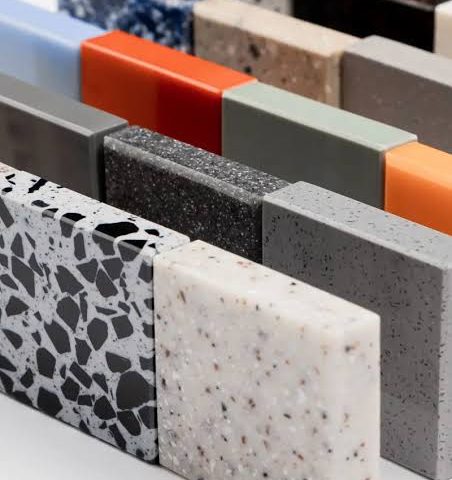
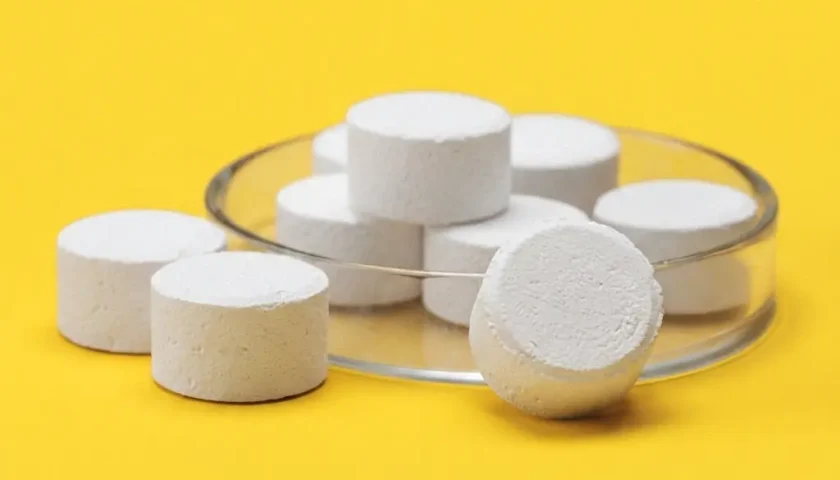
Material engineering is an important part of developing solid surface bathroom products. These materials are generally manufactured using combinations of mineral fillers, resin systems, pigments, and other components.
Their formulation influences characteristics such as appearance, fabrication behavior, surface quality, and maintenance requirements.
Selecting Suitable Raw Materials
Manufacturers need to evaluate raw materials according to the intended product application.
Factors such as particle characteristics, resin properties, pigment consistency, and material compatibility can influence the final product.
Careful material selection helps establish a suitable foundation for manufacturing washbasins, countertops, bathtubs, and other bathroom components.
Improving Material Consistency
Consistent material preparation is important for maintaining predictable production results.
Controlled mixing, accurate formulation, and suitable processing conditions can help reduce variations in product appearance and physical properties.
Developing Different Colors and Finishes
Modern bathroom interiors require a variety of colors, textures, and surface appearances.
Material engineering allows manufacturers to explore different pigment combinations and finishing possibilities. These options help designers coordinate bathroom fixtures with different architectural and interior design styles.
Digital Design and Product Development
Digital design tools have changed how manufacturers plan and develop bathroom products. Computer-aided design software allows product teams to create detailed models before beginning physical production.
Three-Dimensional Product Modeling
Three-dimensional modeling helps designers examine product proportions, shapes, and structural features from different angles.
This is particularly useful when developing washbasins, bathtubs, and integrated countertops with complex geometries.
Technical Drawing and Measurement Accuracy
Digital drawings communicate essential product information, including dimensions, angles, thicknesses, and installation requirements.
Accurate technical documentation helps manufacturers and project teams reduce misunderstandings during production.
Design Modifications Before Manufacturing
Digital models allow product teams to review design concepts and make adjustments before manufacturing begins.
This can help identify potential fitting issues, improve proportions, and reduce unnecessary material consumption during development.
Precision Fabrication in Bathroom Manufacturing
Fabrication methods influence the accuracy, appearance, and overall consistency of finished bathroom products.
Modern manufacturing equipment can support more controlled cutting, shaping, molding, and finishing processes.
Accurate Cutting and Shaping
Precision cutting equipment can help manufacturers achieve the required dimensions for countertops and other solid surface components.
Accurate shaping is especially important when products need to fit specific installation areas or connect with other components.
Molding Complex Product Forms
Molding techniques can be used to develop different product shapes, including curved washbasins and selected bathtub configurations.
The appropriate process depends on the material formulation, product design, and manufacturing requirements.
Surface Finishing
Finishing processes influence the final appearance and texture of bathroom products.
Sanding, polishing, and other suitable surface treatments may be used to achieve the required finish. Consistent finishing is important when multiple products must match within a larger project.
Automation and Production Efficiency
Automation is increasingly relevant to modern manufacturing because it can improve process control and reduce repetitive manual work.
In bathroom product production, suitable automation can support more consistent manufacturing operations.
Controlled Production Processes
Automated equipment can help regulate selected production parameters, depending on the manufacturing process.
Consistent processing conditions may reduce variations between products and support more predictable output.
Reduced Manual Errors
Some repetitive tasks can be performed using automated machinery, reducing dependence on manual handling.
However, skilled operators remain important for equipment setup, process supervision, product evaluation, and final quality checks.
Better Production Planning
Digital production systems can help manufacturers coordinate different manufacturing stages, manage production schedules, and monitor material requirements.
Effective planning is particularly important when handling customized orders or large commercial projects.
Quality Control Throughout Product Development
Advanced manufacturing is most effective when combined with systematic quality management.
Bathroom products must meet their approved specifications before they are delivered for installation.
Raw Material Inspection
Incoming materials should be checked to ensure they meet the required specifications.
This may involve reviewing supplier documentation, material appearance, and relevant physical characteristics.
In-Process Quality Checks
Inspection during manufacturing helps identify problems before they affect finished products.
Depending on the product, checks may include:
- Material consistency.
- Product dimensions.
- Surface appearance.
- Shape accuracy.
- Edge quality.
- Component alignment.
Final Product Inspection
Finished bathroom products should be examined before packaging and delivery.
Inspection may include checking visible defects, confirming measurements, and reviewing the product against approved drawings or samples.
These procedures help improve consistency and reduce the likelihood of manufacturing issues reaching customers.
Customization Through Advanced Manufacturing
Modern bathroom projects often require products that match specific dimensions, architectural styles, and functional requirements.
Advanced design and fabrication methods can support customization by making it easier to develop different product configurations.
Customized Washbasins
Different bathrooms require different basin shapes and sizes.
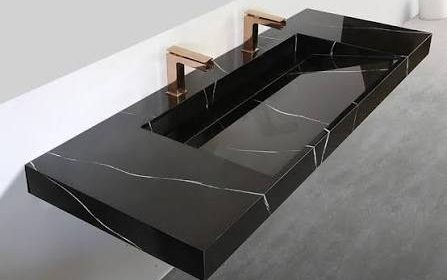
Digital modeling and suitable fabrication techniques can help manufacturers develop products that fit specific countertop dimensions or interior concepts.
Personalized Countertops
Customized countertops may be required for bathrooms with unusual wall lengths, narrow vanity areas, or integrated basin arrangements.
Accurate measurements and approved technical drawings are essential for successful production.
Distinctive Bathtub Designs
Bathtubs may require particular dimensions, shapes, or surface finishes to complement a project’s design direction.
Manufacturing capabilities can influence which customized designs are practical to produce and install.
Consistent Designs for Large Projects
Hotels, residential developments, and commercial buildings may require multiple products with similar specifications.
Controlled production processes can help manufacturers maintain consistency across larger orders.
Applications in Residential and Commercial Projects
Advanced manufacturing supports bathroom product development for different types of buildings, each with its own requirements.
Residential Bathrooms
Homeowners often prioritize appearance, comfort, convenient cleaning, and efficient use of available space.
Manufacturing flexibility can support different washbasin designs, vanity configurations, and bathtub styles.
Hotels and Hospitality Properties
Hotels may require coordinated bathroom products across numerous guest rooms.
Consistent dimensions, finishes, and product quality are important for maintaining a unified interior appearance and simplifying future maintenance.
Commercial Buildings
Offices, shopping centers, and other commercial facilities need bathroom products suitable for regular use.
Product selection should consider expected traffic, cleaning procedures, installation conditions, and accessibility requirements.
Healthcare Facilities
Healthcare environments have specific hygiene and accessibility requirements.
Manufacturers and project teams must evaluate material specifications, cleaning compatibility, product design, and relevant facility standards before selecting bathroom products.
The Importance of Research and Development
Research and development help manufacturers explore new product concepts, improve existing designs, and respond to changing customer requirements.
In the bathroom products industry, R&D may involve material testing, product prototyping, manufacturing process improvements, and design evaluation.
Testing New Material Formulations
Material development can focus on balancing surface quality, fabrication flexibility, durability, and maintenance requirements.
Testing helps determine whether a proposed formulation is suitable for its intended application.
Developing New Product Designs
Manufacturers can study changing interior design preferences and develop products with different shapes, dimensions, and finishes.
Customer feedback and project requirements may also influence product development decisions.
Improving Existing Manufacturing Methods
Research can identify opportunities to reduce material waste, improve production accuracy, and streamline finishing processes.
These improvements may contribute to better manufacturing efficiency and more consistent product results.
Sustainability and Resource Efficiency in Manufacturing
Environmental considerations are becoming increasingly important in modern product development.
Manufacturers are exploring ways to use materials and production resources more efficiently while maintaining suitable product quality.
Reducing Material Waste
Accurate digital measurements and production planning can help reduce unnecessary cutting waste.
Careful material handling and appropriate recycling procedures may also improve resource efficiency.
Improving Energy Efficiency
Manufacturing facilities can evaluate equipment performance, energy consumption, and production schedules to identify opportunities for more efficient operations.
Developing Long-Lasting Products
Products designed for appropriate long-term use may reduce the frequency of replacement.
However, service life depends on material properties, installation quality, environmental conditions, and maintenance practices.
Challenges in Implementing Advanced Manufacturing
Although modern manufacturing technologies offer several advantages, adopting them also involves practical challenges.
Equipment Investment
Advanced machinery and digital production systems can require significant investment.
Manufacturers must evaluate whether new equipment supports their production volume, product range, and long-term business objectives.
Technical Training
Employees need appropriate training to operate machinery, interpret digital drawings, and follow updated production procedures.
Skilled personnel remain essential for maintaining production quality and resolving technical problems.
Maintaining Consistency
New technologies do not automatically guarantee consistent product quality.
Manufacturers must establish suitable process controls, inspection procedures, and maintenance schedules for their equipment.
Managing Customized Orders
Customized production can involve more complex measurements, material planning, and scheduling.
Clear communication between designers, manufacturers, and buyers helps reduce errors and delays.
Future Trends in Bathroom Product Manufacturing
The manufacturing industry continues to evolve as digital technologies, material engineering, and customer expectations develop.
Several trends may influence future bathroom product development.
Greater Use of Digital Manufacturing
Digital design systems and automated production equipment may improve communication between product development and manufacturing teams.
Advanced Material Research
Research into engineered materials may create additional possibilities for surface finishes, product shapes, and application-specific performance.
More Flexible Production Systems
Manufacturers may increasingly adopt production methods that accommodate both standardized products and customized orders.
Data-Based Quality Management
Digital monitoring and production records can help identify process variations and support more systematic quality improvement.
Conclusion
Advanced manufacturing contributes significantly to bathroom product development by supporting material consistency, design flexibility, production accuracy, and quality control. Digital modeling, precision fabrication, automation, and research activities help manufacturers respond to the requirements of modern residential and commercial projects.
KingKonree operates in the solid surface and bathroom products sector, where manufacturing processes are relevant to developing functional and visually appealing bathroom solutions. For buyers and project designers, understanding material specifications, production capabilities, quality inspection, and customization options can provide a clearer basis for evaluating bathroom products and selecting solutions that meet their project requirements.