Modern interior design increasingly focuses on creating spaces that reflect specific functional requirements, architectural styles, and user preferences. Standard materials and fixed dimensions do not always meet the needs of residential, commercial, and hospitality projects. As a result, customization has become an important part of contemporary surface manufacturing, allowing designers and buyers to develop products that fit their project requirements more closely.
Solid surface materials are particularly relevant to this trend because they can often be cut, shaped, joined, and finished in different ways, depending on their composition and technical properties. Customization in KKR Solid Surface manufacturing illustrates how material selection, design planning, fabrication methods, and quality control can work together to support more adaptable interior solutions.
1. Understanding Customization in Solid Surface Manufacturing
Customization refers to modifying a product’s dimensions, appearance, configuration, or finishing details to meet specific project requirements. In solid surface manufacturing, this process may involve selecting colors, adjusting sheet dimensions, developing custom shapes, and preparing components for particular installations.
Unlike standard products that follow fixed specifications, customized solutions provide greater flexibility during interior planning.
Meeting Different Project Requirements
A residential bathroom, hotel reception area, and commercial workspace have different design and functional needs. Customization allows buyers to specify product characteristics according to the intended application.
Supporting Individual Design Concepts
Architects and designers may require unusual shapes, coordinated colors, or specific surface details to achieve a particular visual effect.
Customized solid surface components can help translate these concepts into practical products.
Improving Space Compatibility
Buildings often contain irregular layouts, limited spaces, or architectural features that make standard dimensions unsuitable. Custom fabrication can help accommodate these conditions.
2. Custom Dimensions for Different Applications
Dimensions are among the most important customization considerations when manufacturing solid surface products.
Accurate measurements help ensure that finished components fit the available installation area and work with surrounding structures.
Customized Countertop Sizes
Kitchen and bathroom countertops may need to match specific cabinet lengths, wall arrangements, and appliance locations.
Custom dimensions can reduce unnecessary gaps and support a more coordinated installation.
Vanity Top Measurements
Bathroom vanities come in different widths, depths, and configurations. Customized surface dimensions help accommodate compact bathrooms, spacious master suites, and commercial washroom layouts.
Large Commercial Installations
Hotels, offices, and retail facilities may require multiple surface components with consistent dimensions.
Manufacturing according to project drawings can help maintain uniformity across different areas of a building.
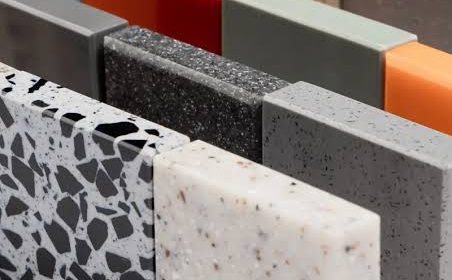
3. Color Customization and Visual Identity
Color plays an important role in how interior surfaces interact with surrounding materials.
Modern solid surface manufacturing can offer different color options, allowing buyers to coordinate countertops, washbasins, wall panels, and other interior elements.
Matching Existing Interior Materials
Designers may choose colors that complement flooring, cabinetry, wall finishes, and furniture.
This approach helps establish a consistent visual theme throughout a property.
Developing Distinctive Design Features
Some projects require bold colors or distinctive patterns to create focal points.
Customized color selections may help designers develop a recognizable appearance for commercial reception areas, hospitality interiors, and retail spaces.
Maintaining Color Consistency
For large projects, consistent color appearance across multiple sheets or production batches is important.
Buyers should request samples and discuss batch consistency before approving bulk orders.
4. Custom Surface Finishes and Textures
Surface finish influences both the visual appearance and everyday maintenance of a product.
Depending on the material range and manufacturing capabilities, buyers may be able to select from different finish options.
Matte Finishes
Matte surfaces provide a subdued appearance that can work well in contemporary and minimalist interiors.
They may also create a different visual effect from highly reflective materials.
Polished Finishes
Polished surfaces can contribute to a brighter appearance by reflecting more light.
They are often considered for decorative countertops, vanity tops, and reception areas.
Texture Considerations
Certain designs may include specific surface textures or patterns.
When selecting a finish, buyers should consider cleaning requirements, expected contact, and compatibility with the intended application.
5. Custom Shapes and Curved Designs
Architectural projects sometimes require surface components that extend beyond simple rectangular shapes.
Solid surface materials may support different shaping and fabrication techniques, depending on the product formulation and manufacturing process.
Curved Countertops
Curved counters can help create distinctive reception desks, hospitality fixtures, and selected residential features.
The feasibility of a particular curve depends on material properties, thickness, and fabrication methods.
Customized Vanity Configurations
Designers may request asymmetrical shapes, unusual basin placements, or specific countertop edges.
Custom fabrication can help accommodate these requirements when the product supports the necessary construction.
Decorative Architectural Elements
Solid surface materials may also be used for customized wall features, display structures, and interior details.
These applications allow designers to coordinate functional surfaces with the overall architectural concept.
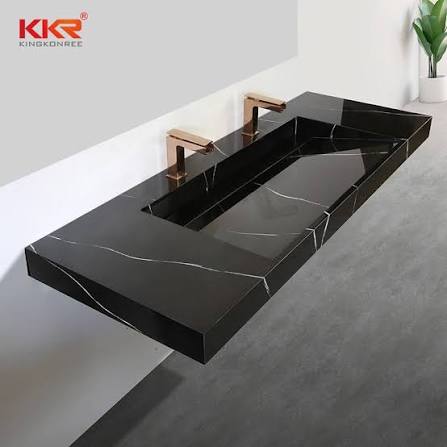
6. Integrated Basin and Countertop Designs
Integrated basin concepts are an important example of how customization can combine appearance and functionality.
Some solid surface systems allow basins to be fabricated as coordinated components of a countertop or vanity installation.
Creating a Continuous Appearance
A coordinated basin and countertop can produce a visually consistent design.
Depending on the fabrication method, joints may be minimized or made less noticeable.
Adjusting Basin Dimensions
The basin’s width, depth, and configuration may be selected according to the intended use and available space.
Designers should consider water flow, drainage, accessibility, and installation requirements.
Supporting Different Bathroom Styles
Customized basin designs can complement minimalist residential bathrooms, luxury hospitality interiors, and commercial washrooms.
The final configuration should balance visual preferences with practical cleaning and maintenance needs.
7. Customization for Residential Interior Projects
Residential spaces often require solutions that reflect personal preferences and the dimensions of individual rooms.
Customized solid surface components can help homeowners achieve a more coordinated interior.
Kitchen Design
Custom countertops can be planned around cabinet layouts, cooking areas, sinks, and appliances.
Designers can also coordinate colors and edge details with the surrounding kitchen finishes.
Bathroom Renovation
Bathroom projects may involve limited dimensions, unusual plumbing locations, or specific storage arrangements.
Customized vanity tops and basin configurations can help accommodate these conditions.
Living Areas
Selected solid surface materials can be used for decorative shelves, display surfaces, and other interior features where their technical properties are appropriate.
This allows homeowners to create visual consistency beyond kitchens and bathrooms.
8. Custom Solutions for Commercial and Hospitality Environments
Commercial projects often involve larger quantities, repeated product dimensions, and more demanding operational requirements.
Customization helps manufacturers and project teams coordinate product specifications with the intended use of each space.
Hotel and Resort Interiors
Hotels may require coordinated vanity tops, reception counters, and decorative surfaces across multiple rooms.
Custom production can help maintain a consistent design throughout the property.
Office Reception Areas
Reception desks often serve as an important part of a company’s visual identity.
Customized dimensions, colors, and shapes can help create a design that reflects the surrounding architecture.
Retail and Restaurant Spaces
Display counters, service desks, and selected interior fixtures may require specialized dimensions or finishes.
Material suitability, cleaning requirements, and applicable safety standards should be reviewed before production.
Healthcare and Public Facilities
Healthcare and public environments may require surfaces that support specific cleaning and maintenance procedures.
Customization should account for relevant hygiene expectations, accessibility requirements, and applicable regulations.
9. The Role of Digital Design and Manufacturing Technology
Technology has improved the way customized surface products are planned and produced.
Digital design tools and precision manufacturing equipment can help translate project requirements into more accurate production specifications.
Computer-Aided Design
Computer-aided design software allows designers to prepare detailed drawings and dimensions before fabrication begins.
These drawings help manufacturers understand product shapes, openings, edge details, and assembly requirements.
Digital Measurement and Planning
Accurate measurements are important for minimizing fitting problems.
Digital planning tools can help organize cutting layouts and coordinate multiple components.
Precision Cutting and Fabrication
Modern cutting and shaping equipment can support accurate production of customized parts.
The appropriate machinery depends on the material, design complexity, and required production volume.
Production Efficiency
Digital planning can help manufacturers manage material usage and reduce avoidable cutting waste.
However, actual efficiency depends on production planning, equipment capability, and quality management.
10. Quality Control in Customized Manufacturing
Customized products require careful inspection because they may involve non-standard dimensions, special finishes, and complex fabrication details.
Quality control helps verify that finished products match approved specifications.
Raw Material Inspection
Manufacturers need to assess incoming materials for consistency and suitability.
Differences in raw material quality can influence the final product’s appearance and physical characteristics.
Dimensional Accuracy
Customized countertops, vanity tops, and other components should be checked against approved drawings.
Accurate dimensions help reduce problems during installation.
Surface Finish Inspection
Finished components should be examined for visible defects, uneven finishing, and unwanted surface variations.
For patterned products, appearance should also be reviewed against the approved sample where applicable.
Final Product Verification
Before packaging, manufacturers can check dimensions, component details, and order specifications.
A clear inspection process helps reduce misunderstandings between manufacturers, buyers, and installers.
11. Balancing Customization with Practical Performance
Although customization creates more design possibilities, appearance should not be the only consideration.
Each product must remain suitable for its intended environment.
Material Suitability
The selected formulation should meet the project’s requirements for moisture exposure, wear, cleaning, and other relevant conditions.
Structural Support
Customized shapes and extended countertop sections may require specific support arrangements.
Manufacturers, designers, and installers should coordinate these details before production.
Maintenance Requirements
Different colors and finishes may show fingerprints, water marks, or everyday residue differently.
Buyers should understand the recommended cleaning procedures before making a final selection.
Repair Considerations
Some solid surface products can be refinished to address certain surface imperfections.
However, the available repair methods depend on the material and the extent of the damage.
12. How Customization Affects Project Costs
Customized manufacturing may influence the overall cost of an interior project.
The final price depends on several factors, including material specifications, design complexity, production volume, and fabrication requirements.
Material Selection
Special colors, patterns, thicknesses, or product specifications may affect material costs.
Buyers should confirm whether the requested options are standard or require additional production work.
Design Complexity
Curved components, integrated features, unusual dimensions, and detailed edge treatments may require additional fabrication time.
Order Quantity
Large orders may create opportunities for more efficient production planning.
However, minimum order quantities and pricing arrangements vary by supplier.
Transportation and Installation
Customized components may require careful packaging and specialized handling.
These costs should be included when comparing quotations from different suppliers.
13. Communication Between Designers, Manufacturers, and Buyers
Successful customization depends on clear communication throughout the project.
Misunderstandings about dimensions, colors, finishes, or installation details can lead to production delays and additional expenses.
Provide Detailed Drawings
Technical drawings should include measurements, openings, edge details, and other important specifications.
Approve Samples Before Production
Color and finish samples help buyers confirm the intended appearance.
For large orders, approval should take place before full-scale manufacturing begins.
Confirm Production Details
All important requirements should be documented, including material specifications, quantities, packaging, and delivery schedules.
Coordinate Installation Requirements
Manufacturers and fabricators should understand the installation environment before finalizing product details.
This helps ensure that customized components are practical to transport, handle, and install.
14. Future Trends in Customized Solid Surface Manufacturing
Customization is likely to remain important as interior design requirements continue to evolve.
Several developments may influence how solid surface products are designed and manufactured.
Greater Design Personalization
Buyers increasingly look for materials that complement specific architectural styles and project identities.
This may encourage manufacturers to expand available colors, finishes, and fabrication options.
More Advanced Digital Production
Improved design software and precision equipment can support more detailed product planning and fabrication.
These technologies may also help reduce production errors when properly integrated into manufacturing workflows.
Focus on Material Efficiency
Manufacturers may place greater emphasis on cutting optimization, production planning, and responsible material use.
Efficient manufacturing can help reduce avoidable waste while supporting customized orders.
Coordination Across Interior Spaces
Future projects may increasingly use coordinated surface materials across bathrooms, kitchens, reception areas, and other interior spaces.
Customized production can help maintain a consistent design language throughout larger properties.
Conclusion
Customization plays an important role in modern solid surface manufacturing by allowing products to respond to different dimensions, colors, finishes, shapes, and functional requirements. It helps architects, designers, contractors, and property owners develop interior solutions that are better aligned with their project goals.
However, successful customization requires more than creative design. Material suitability, precise measurements, fabrication capabilities, quality control, installation planning, and maintenance requirements must all be considered. By combining these factors, solid surface manufacturers can support interior projects that balance distinctive design with practical performance and long-term usability.