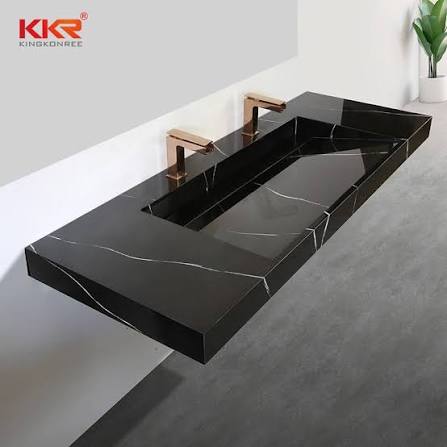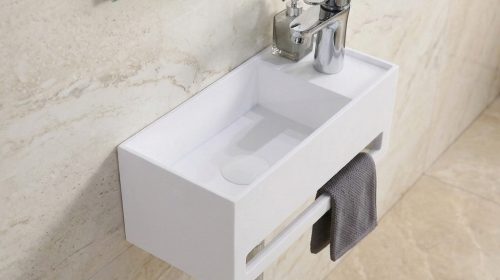
Choosing a basin for a small toilet involves more than finding a fixture that fits against the wall. Its support structure affects floor space, cleaning access, plumbing visibility, and the overall appearance of the room. Wall-mounted and traditional pedestal basins both serve the same basic purpose, yet they suit different layouts and installation needs.
A Small basin for toilet can work well in either style when its dimensions match the available space. Wall-mounted models create an open area underneath, while pedestal options use a floor-supported column to conceal plumbing. Understanding these differences helps homeowners choose a design that offers practical use without making a compact toilet feel crowded.
How Wall-Mounted And Pedestal Basins Differ
The main difference lies in how each basin receives support. A wall-mounted model attaches directly to the wall with suitable brackets or fixing points. Its height can be planned according to the users’ needs, and the open floor area underneath remains accessible.
A traditional pedestal basin rests on a column that extends from the bowl to the floor. The pedestal supports the fixture and often conceals the waste pipe and water connections. This gives the installation a more traditional appearance and hides some of the plumbing components.
Both designs come in different widths, shapes, and materials. The choice depends on the bathroom layout, wall construction, storage requirements, and preferred interior style.
Wall-Mounted Small Basin: Main Advantages
Wall-mounted basins are popular in compact toilets because they do not require a pedestal or floor-standing cabinet. This creates a lighter appearance and gives homeowners more flexibility when arranging the space.
More Visible Floor Space
The open area beneath a wall-mounted basin makes the floor appear less crowded. This can help a narrow toilet feel more spacious, particularly when the basin sits close to the entrance.
It also makes floor cleaning easier. There is no pedestal base around which users need to wipe or mop, and fewer surfaces collect dust.
Flexible Installation Height
A wall-mounted basin can be installed at a height that suits the household. This is useful in homes where children, older adults, or people with mobility needs use the same toilet.
The installation height still needs to follow the manufacturer’s guidance and account for the plumbing connections. Proper planning helps maintain comfort and avoid awkward pipe positioning.
Suitable For Modern Interiors
Wall-mounted designs often have clean outlines and simple shapes. They pair well with contemporary tiles, floating shelves, and minimal bathroom accessories.
Their compact appearance also makes them suitable for guest toilets where a large vanity or decorative pedestal might look excessive.
Easier Access For Floor Maintenance
Since the basin does not touch the floor, users can clean the area underneath without working around a column. This is particularly useful in toilets that receive frequent use.
However, the wall and exposed plumbing still need regular cleaning. A wall-mounted design does not eliminate maintenance, but it reduces obstacles at floor level.
Wall-Mounted Basin: Potential Limitations
Despite its space-saving appearance, a wall-mounted basin requires a suitable supporting wall. The fixture’s weight and the pressure applied during everyday use must be carried safely by the mounting system.
A weak wall may need reinforcement before installation. Plasterboard partitions, for example, may require additional structural support rather than ordinary fixings.
Another consideration is visible plumbing. Unless the basin includes a cover or the pipes sit inside the wall, users may see the waste trap and water connections underneath.
This may not suit homeowners who prefer a fully concealed installation. Careful pipe selection and neat positioning can improve the appearance.
Traditional Pedestal Basin: Main Advantages
Pedestal basins remain a practical option for many residential bathrooms and guest toilets. Their design combines the bowl and supporting column into a single visual arrangement.
Conceals Plumbing Connections
One of the main benefits of a pedestal is its ability to hide pipework beneath the basin. The column covers much of the waste connection and may conceal some supply lines, depending on the model.
This creates a tidy appearance without requiring every pipe to sit inside the wall. It can be useful in renovation projects where changing the existing plumbing would involve extra work.
Provides Floor-Level Support
A pedestal transfers some of the basin’s load to the floor. This can reduce reliance on the wall compared with a fully wall-mounted model, although the basin may still require wall fixings for stability.
It can be suitable when the wall construction does not easily support a suspended fixture. The installer must still check the product’s fixing instructions and floor conditions.
Familiar And Traditional Appearance
Pedestal basins suit classic bathroom interiors and homes with traditional fixtures. Their shape can also complement decorative tiles, framed mirrors, and conventional faucets.
Many designs have a simple appearance that works without additional cabinetry or storage furniture.
Traditional Pedestal Basin: Potential Limitations
The pedestal occupies floor space directly beneath the bowl. In a narrow guest toilet, this may make the area feel more crowded, especially when the basin sits near the toilet or doorway.
Cleaning around the base can also require more effort. Dust, moisture, and cleaning residue may collect where the pedestal meets the floor.
Storage is another limitation. Unlike some vanity-supported designs, a traditional pedestal does not provide much room for towels or bathroom supplies. Homeowners may need separate wall shelves or storage units.
Wall-Mounted Vs Pedestal Basin: A Practical Comparison
The following comparison highlights the main differences between both options.
| Feature | Wall-Mounted Basin | Traditional Pedestal Basin |
| Floor space | Leaves the area underneath open | Occupies space with a pedestal |
| Cleaning access | Easier access below the bowl | Requires cleaning around the base |
| Plumbing appearance | May leave pipes visible | Conceals much of the pipework |
| Wall requirements | Needs suitable wall support | Uses a floor-supported column with wall fixing |
| Installation height | More flexible within product guidelines | Usually determined by the pedestal design |
| Interior style | Suits modern and minimal spaces | Suits traditional and classic interiors |
| Storage | May allow separate storage underneath | Limited space around the pedestal |
| Renovation flexibility | Depends on wall strength and pipe positions | May suit some existing plumbing arrangements |
Neither option is automatically better for every small toilet. The right choice depends on which features matter most in the available space.
Which Basin Works Better In A Small Guest Toilet?
A wall-mounted basin often makes sense when floor clearance is the main concern. Its open underside can make a narrow room feel less enclosed and simplify cleaning around the fixture.
A pedestal basin may be more suitable when concealing plumbing is a priority or when the existing wall cannot easily support a suspended fixture. It can also provide a familiar look that matches the rest of the bathroom.
Consider the following situations before deciding:
- Very narrow toilet: A wall-mounted model with a short projection may preserve more walking space.
- Older property with exposed plumbing: A pedestal can hide some connections without major changes to the wall.
- Modern guest bathroom: A wall-mounted basin often complements simple surfaces and floating accessories.
- Traditional interior: A pedestal design may fit better with classic tiles and conventional fittings.
- Limited wall support: A pedestal option may be easier to consider, subject to the manufacturer’s fixing requirements.
Measure the room before selecting either style. A compact pedestal may take up less space than a poorly chosen wall-mounted model with excessive projection.
Installation Factors To Check Before Buying
The basin’s design should match the existing structure and plumbing. Checking these details before purchase can prevent costly changes during installation.
Wall Strength And Mounting Points
For a wall-mounted basin, identify the wall material and suitable fixing locations. Brick or concrete walls may provide appropriate support with the correct anchors, while lightweight partitions may need reinforcement.
A pedestal basin also requires secure wall fixing in most installations. Do not assume that the column alone will hold the bowl safely.
Water Supply And Drainage
Check the position of the hot and cold water connections, waste outlet, and trap. Wall-mounted designs may expose these components unless the plumbing sits inside the wall or a cover conceals them.
Pedestal dimensions also affect how much pipework the column can hide. Confirm the available space before choosing the model.
Faucet Compatibility
The tap arrangement must suit the basin’s design. Check whether the bowl has a tap hole or requires a wall-mounted faucet.
The faucet spout should reach far enough over the bowl to direct water into its center. This helps reduce splashing and makes handwashing more comfortable.
Basin Dimensions And User Clearance
Compare the basin width and projection with the available wall space. Leave enough room to stand in front of it and move comfortably between the basin, toilet, and entrance.
Also check the door opening path. A basin that extends too far into the room may interfere with an inward-opening door.
Materials And Maintenance Considerations
Both installation styles are available in different materials. Ceramic remains a common choice because its smooth surface is relatively easy to clean and suits a wide range of bathroom designs.
Solid surface basins offer a different appearance and allow varied shapes and finishes. When comparing options, review the manufacturer’s care instructions and check how the material handles regular cleaning.
The product selection from kingkonree can help when comparing compact basin dimensions and finishes for a small toilet. Regardless of the chosen model, clean the bowl, faucet, drain, and exposed plumbing regularly.
Wall-mounted basins need attention around their brackets and wall connections. Pedestal models require cleaning around the column and its floor joint. Both styles benefit from checking for leaks and loose fittings during routine maintenance.
Common Mistakes When Choosing Between The Two Designs
A basin can look suitable in a showroom but create problems once installed. Avoid these common mistakes:
- Selecting a wall-mounted basin without checking wall strength.
- Choosing a pedestal that leaves too little walking clearance.
- Ignoring exposed plumbing when planning a suspended design.
- Assuming a pedestal will conceal every pipe connection.
- Overlooking faucet reach and bowl depth.
- Forgetting to check the door opening path.
- Choosing a basin based only on appearance rather than daily use.
Review the dimensions, installation instructions, and plumbing layout together. This gives a more accurate idea of how the finished fixture will work.
Final Thoughts
Wall-mounted and traditional pedestal basins both offer useful solutions for small toilets. A wall-mounted design provides open floor space, flexible positioning, and a modern appearance. A pedestal model conceals much of the plumbing and offers a familiar style with floor-level support.
For a narrow guest toilet, a compact wall-mounted basin is often worth considering when the wall can support it. A pedestal remains a sensible option when plumbing concealment and traditional styling matter more than the space underneath.
The best choice is the one that fits the room’s dimensions, installation conditions, and everyday requirements without making the toilet difficult to use.