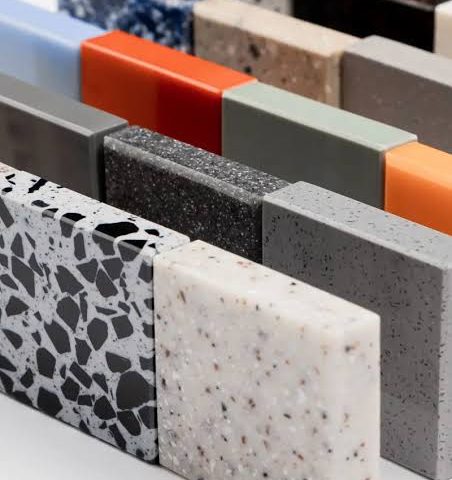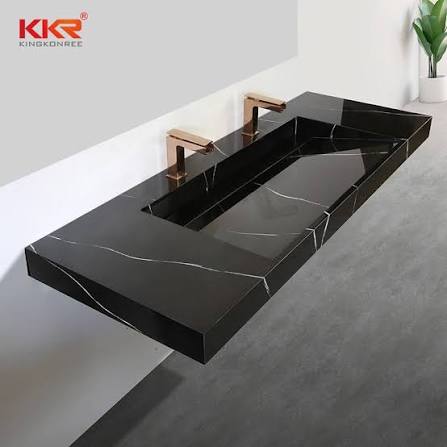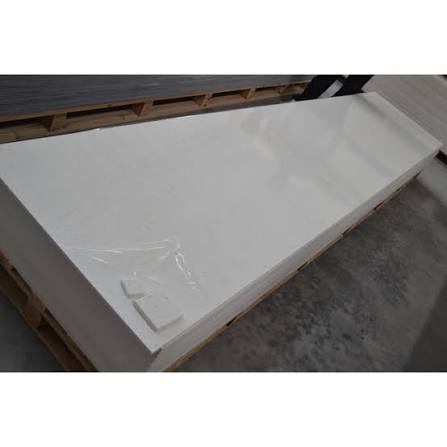
Solid surface materials are widely used in residential and commercial interiors, including kitchen countertops, bathroom vanities, reception desks, wall panels, and customized furniture. These applications often require materials that maintain a uniform appearance, meet technical specifications, and perform reliably throughout their intended service life. While product design and pricing influence purchasing decisions, consistent quality is equally important when selecting a manufacturing partner.
For architects, contractors, distributors, and project developers, inconsistent materials can create problems during fabrication, installation, and long-term maintenance. Working with a dependable Solid Surface Manufacturer helps buyers establish clear product expectations and reduce the risks associated with variations between production batches. Understanding why quality consistency matters can make supplier evaluation and project planning more effective.
1. Maintaining Uniform Color and Appearance
Visual consistency is one of the first qualities buyers notice when evaluating solid surface materials. Products used together in the same interior space should have a coordinated appearance, especially when installed across large countertops, reception areas, or multiple bathroom units.
Variations in pigment measurements, resin formulations, mineral fillers, and production conditions can create differences in color or pattern.
Consistent manufacturing procedures help ensure that finished sheets remain close to approved reference samples. Manufacturers can achieve this through standardized formulations, accurate ingredient measurements, controlled mixing, and regular visual inspections.
For large projects, buyers should request color samples and clarify how the manufacturer manages variations between production batches.
2. Ensuring Reliable Material Performance
Solid surface products are selected for their combination of appearance, fabrication flexibility, and practical performance. However, these characteristics depend partly on the quality and consistency of the material formulation.
Differences in raw materials or production conditions may influence properties such as strength, water absorption, surface hardness, and workability.
Manufacturers should establish product specifications and conduct appropriate testing to confirm that materials meet the intended requirements.
Buyers should review technical data rather than relying only on general descriptions. This is particularly important for projects involving frequent use or specialized environmental conditions.
3. Reducing Fabrication Problems
Solid surface sheets often require cutting, shaping, joining, sanding, and polishing before installation. Variations in material properties can make these processes less predictable.
For example, inconsistent thickness may affect cutting accuracy, while differences in formulation can influence machining and finishing behavior.
Consistent product quality helps fabricators work with more predictable material characteristics. This can reduce unnecessary adjustments, rework, and material waste.
Manufacturers can support fabrication consistency by controlling sheet dimensions, maintaining formulation standards, and providing clear processing recommendations.
4. Improving Installation Accuracy
Installation quality depends on accurate measurements, suitable preparation, and materials that match the approved specifications.
When sheets have inconsistent dimensions or thicknesses, installers may need to make additional adjustments. Differences in surface finish or color can also become noticeable after components are assembled.
Reliable manufacturing standards help contractors plan installation work with greater confidence.
Before ordering, project teams should confirm:
- Sheet dimensions and thickness tolerances
- Approved colors and surface finishes
- Joining and adhesive recommendations
- Handling and storage instructions
- Relevant fabrication requirements
Clear specifications help ensure that the materials delivered are suitable for the planned installation.
5. Supporting Large-Scale Construction Projects
Large construction and interior development projects may require significant quantities of solid surface materials. These materials might be installed across multiple floors, rooms, or buildings.
Maintaining consistent quality throughout such projects can be challenging if production is divided into different batches or scheduled over an extended period.
Manufacturers need effective batch management, production records, and inspection procedures to maintain consistency.
Project buyers should discuss expected order quantities, production schedules, reference samples, and repeat-order requirements before confirming the purchase.
This is particularly important for hotels, residential developments, hospitals, retail chains, and commercial office projects.
6. Minimizing Product Defects and Rejection Rates
Manufacturing defects can increase costs and delay project completion. Common solid surface problems may include cracks, pinholes, air bubbles, uneven finishes, discoloration, and dimensional inaccuracies.
Some defects are related to raw materials, while others may result from mixing, molding, curing, finishing, or handling procedures.
A structured quality control system helps identify problems before products reach customers.
Manufacturers can reduce defect rates through:
- Incoming raw material inspections.
- Accurate ingredient measurement.
- Controlled mixing and processing.
- Monitoring of curing conditions.
- Dimensional and visual inspections.
- Final product checks before packaging.
Early defect detection reduces the possibility of unsuitable products reaching fabrication or installation teams.
7. Protecting Project Budgets
Inconsistent quality can create expenses that are not included in the original material quotation.
Rejected sheets, replacement orders, additional fabrication, installation delays, and labor adjustments may increase the total project cost.
A lower initial purchase price does not necessarily provide better financial value if the materials require frequent correction or replacement.
Consistent manufacturing helps buyers plan material usage more accurately and reduce unexpected expenses.
When comparing suppliers, project teams should consider the complete cost of ownership, including purchasing, fabrication, transportation, installation, and potential maintenance.
8. Maintaining Production Standards Through Quality Control
Quality consistency requires more than inspecting finished sheets. Manufacturers need to monitor important production stages and maintain documented procedures.
A typical quality management process may include several checkpoints.
| Production stage | Quality control focus |
|---|---|
| Raw material inspection | Verify incoming material specifications |
| Formulation | Check ingredient ratios and measurements |
| Mixing | Monitor consistency and processing conditions |
| Molding | Inspect material distribution and mold preparation |
| Curing | Control time and temperature according to the formulation |
| Finishing | Check surface appearance and dimensions |
| Final inspection | Confirm compliance with product specifications |
| Packaging | Protect products against transportation damage |
Regular inspections and accurate production records make it easier to identify the source of variations and take corrective action.
9. Ensuring Consistency in Custom Products
Customized solid surface products often involve special colors, patterns, dimensions, and shapes. These requirements can increase production complexity compared with standard sheet manufacturing.
For example, a designer may request matching vanity tops and integrated basins for several hotel rooms. Even minor differences between components can affect the overall appearance.
Manufacturers should document approved specifications and use reference samples during production.
For complex designs, prototype approval can help confirm the required appearance and dimensions before the main order is manufactured.
Clear communication between designers, manufacturers, fabricators, and contractors also reduces the risk of misunderstandings.
10. Supporting Different Residential and Commercial Applications
Solid surface materials are used in environments with different functional and aesthetic requirements. Consistent quality helps manufacturers provide products that meet the specifications of each intended application.
Common uses include:
- Residential kitchens: Countertops, islands, and integrated work surfaces.
- Bathrooms: Vanity tops, washbasins, and wall-mounted components.
- Hospitality: Reception desks, guestroom vanities, and service counters.
- Retail: Display units, sales counters, and decorative furniture.
- Healthcare: Selected work surfaces and interior components subject to project-specific requirements.
- Corporate offices: Reception areas, meeting room features, and workstations.
The appropriate material should be selected according to its documented properties and the requirements of the application. Consistency does not replace the need to verify product suitability.
11. Building Trust Between Manufacturers and Buyers
Reliable product quality strengthens business relationships. Distributors, contractors, and project developers are more likely to continue working with suppliers that deliver materials according to agreed specifications.
Repeated inconsistencies can create uncertainty and make future purchasing decisions more difficult.
Manufacturers can build trust through transparent communication, accurate documentation, dependable production standards, and effective responses to quality concerns.
Providing clear information about product limitations is also important. Buyers benefit when manufacturers explain what a material can reasonably achieve instead of making unsupported performance claims.
12. Improving Customer Satisfaction
The final users of solid surface products may not interact directly with manufacturers, but they experience the results of manufacturing quality every day.
Homeowners expect countertops and bathroom surfaces to look consistent and remain practical during regular use. Commercial property owners need materials that meet the intended design and maintenance requirements.
Consistent manufacturing helps reduce visible defects and supports a more predictable finished result.
Manufacturers should also provide appropriate cleaning and maintenance instructions so customers understand how to care for the installed material.
13. Reducing Maintenance and Repair Difficulties
Solid surface materials may require routine cleaning and occasional maintenance depending on their application, finish, and usage conditions.
When products are manufactured consistently, maintenance teams can follow more predictable procedures. Significant variations between components may otherwise complicate refinishing, repairs, or replacement work.
Buyers should ask manufacturers about:
- Recommended cleaning methods
- Suitable maintenance products
- Procedures for addressing minor scratches
- Repair and refinishing options
- Product warranty conditions
- Replacement material availability
Maintenance requirements should always be confirmed for the specific product rather than assumed to be identical across all solid surface formulations.
14. Supporting Repeat Orders and Future Projects
Businesses that purchase solid surface materials regularly need dependable specifications across multiple orders.
A distributor may reorder the same color for different customers, while a property developer may need additional materials for future construction phases.
Manufacturers can support these requirements by maintaining product records, approved color references, formulation information, and batch documentation.
Buyers should confirm whether a manufacturer can reproduce previous specifications and how it manages product changes over time.
Keeping approved samples and product details can also make future purchasing more straightforward.
15. Meeting Technical and Project Documentation Requirements
Many construction and commercial projects require material documentation before products are approved for use.
Consistent quality becomes easier to evaluate when manufacturers provide reliable technical information.
Useful documentation may include:
- Product data sheets
- Material composition information
- Relevant test reports
- Dimensional specifications
- Quality management certificates
- Installation guidelines
- Cleaning and maintenance instructions
Buyers should verify that documents relate to the specific product being purchased. A general company certificate does not automatically demonstrate that every material meets a particular project’s technical requirements.
16. How Buyers Can Evaluate Manufacturing Quality
Buyers should use a structured approach when comparing manufacturers rather than relying entirely on product photographs or sales descriptions.
A practical evaluation process includes:
Request physical samples: Examine color, texture, finish, and overall appearance.
Review technical specifications: Check dimensions, thickness, composition, and relevant performance data.
Ask about quality control: Understand how raw materials and finished products are inspected.
Examine production capabilities: Determine whether the manufacturer can maintain consistent output for the required quantity.
Discuss batch management: Ask how repeat orders and large projects are handled.
Review documentation: Request relevant test reports, certificates, and product guidelines.
Clarify complaint procedures: Understand how defects, replacements, and warranty claims are managed.
These steps help buyers distinguish between manufacturers that provide consistent production standards and those whose quality may vary from one order to another.
17. The Role of Continuous Improvement in Quality Consistency
Manufacturing standards must evolve as product requirements, equipment, and customer expectations change.
Continuous improvement allows manufacturers to identify recurring defects, improve production efficiency, and maintain more reliable output.
Useful activities include reviewing inspection records, analyzing customer feedback, monitoring equipment performance, evaluating suppliers, and updating employee training.
Manufacturers may also use automation and digital monitoring systems to improve measurement accuracy and track important production conditions.
The objective is not simply to detect defective products but to identify and correct the processes responsible for creating them.
Conclusion
Consistent quality is essential when working with a solid surface manufacturer because it influences material appearance, fabrication efficiency, installation accuracy, project costs, and customer satisfaction. Variations in color, dimensions, formulation, and surface finish can create problems throughout a project’s lifecycle, particularly when large quantities or customized products are involved.
Buyers can reduce these risks by requesting samples, reviewing technical documentation, examining quality control procedures, and confirming how manufacturers manage production batches. Manufacturers that maintain clear specifications, monitor production processes, and continually improve their operations are better positioned to deliver dependable materials and support successful residential and commercial interior projects.