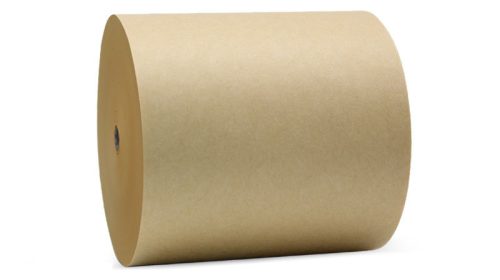
Beverage packaging materials must accommodate the practical demands of liquid containment, converting, handling, and storage. Paper is a widely used packaging substrate, but it generally needs an appropriate barrier layer when it is intended to hold liquids. Kraft PE coated paper roll is one material construction used in selected beverage packaging applications, combining a kraft paper base with a polyethylene coating.
Businesses sourcing Kraft Pe Coated Paper Roll should look beyond the product name and examine the material’s complete specification. Paper grammage, coating weight, roll dimensions, surface characteristics, and converting compatibility all help determine whether a particular grade is suitable for the intended packaging format.
Understanding the Paper and Coating Combination
Kraft paper provides the main paper substrate. Depending on its grade and manufacturing characteristics, it can contribute to the stiffness, structure, and handling properties of the finished packaging.
The polyethylene layer serves a different function. It can help reduce the penetration of moisture into the paper and provide a surface suited to certain sealing and converting processes. The level of performance depends on the coating specification, application method, and conditions under which the finished package is used.
Some products are coated on one side, while others use coating on both sides. The correct construction depends on the package design and which surfaces need a barrier. Buyers should confirm these details with the manufacturer rather than assuming that all PE coated kraft rolls are identical.
Application 1: Disposable Paper Cups
One of the familiar uses of PE coated paper is in disposable paper cup production. The material can be prepared as cup stock, printed where required, and converted into fan-shaped blanks.
These blanks form the cup’s sidewall, while separate bottom paper components complete the structure. The coating helps limit liquid contact with the paper substrate and can contribute to the performance of the finished cup.
The selected grade must match the cup’s size, intended beverage, and forming machinery. Manufacturers should check the coating arrangement, paper stiffness, and sealing behavior through production trials.
Application 2: Hot Beverage Packaging
Hot drinks create specific demands for packaging materials. Coffee, tea, and other heated beverages can expose a cup to elevated temperatures for the period it is being used.
A paper roll intended for hot beverage cups should therefore be assessed for its complete application requirements. Buyers should consider the paper grade, coating suitability, side-seam formation, bottom sealing, and the intended contact temperature and duration.
It is not sufficient to assume that every PE coated paper roll is appropriate for hot liquids. The supplier should provide relevant technical and food-contact information for the actual material construction.
Application 3: Cold Drink Cups
Cold beverages can create moisture on the outside of a cup through condensation. This can affect how the cup feels in the hand and how it behaves during use.
A suitable cup material must be evaluated for the beverage temperature, expected serving time, and condensation conditions. The coating specification and finished-cup construction both contribute to performance.
For businesses serving iced coffee, soft drinks, juices, or chilled beverages, testing finished cups under realistic operating conditions is a practical way to assess suitability.
Application 4: Branded Beverage Packaging
Kraft paper can also support a distinctive visual style. Its natural appearance may suit businesses that prefer simple branding or a more understated packaging design.
Printing requirements should be considered before the material is ordered. The selected surface must be compatible with the intended printing method, and artwork should account for the final dimensions of the cup or other package.
A printed trial can help confirm that logos, colors, and text appear as expected. It is particularly useful when the design includes fine details or multiple colors.
Application 5: Packaging Components and Specialty Formats
Beyond standard cups, coated kraft paper may be considered for selected beverage-related packaging components. These might include wrappers, liners, or other formats where a paper substrate and a moisture barrier are useful.
However, the material requirements vary substantially between applications. A grade designed for cup forming may not be appropriate for a wrapper or another converting process. Buyers should describe the intended package and production method clearly before choosing a specification.
Important Specifications to Compare
When evaluating kraft PE coated paper rolls, focus on measurable characteristics rather than broad product descriptions.
| Specification | Why it matters |
|---|---|
| Base paper grammage | Helps define the paper’s weight and structure |
| Paper thickness | Influences stiffness and handling |
| PE coating weight | Relates to the coating specification and barrier performance |
| Coating arrangement | Identifies whether one or both sides are coated |
| Roll width and diameter | Must match converting equipment |
| Surface quality | Affects printing and processing |
| Moisture and storage conditions | Help maintain material consistency |
Request technical data and samples from suppliers. Where possible, test the roll on the actual production equipment before confirming a large order.
Food Safety and Environmental Considerations
For beverage packaging, the complete material construction must be suitable for its intended food-contact conditions. Ask for applicable declarations, test reports, and information covering the base paper, coating, inks, and other relevant components.
Environmental claims also need careful verification. A PE coated paper product contains a plastic layer, and its recyclability depends on local collection and processing facilities. Do not describe the finished cup as recyclable or compostable without evidence that the actual construction meets the relevant requirements and can be handled by the intended waste system.
Selecting the Right Roll for Your Operation
Kraft PE coated paper roll can serve several roles in beverage packaging, particularly where paper structure and a moisture barrier are both required. The right material depends on the finished package, production machinery, and conditions of use.
Define the application first, compare technical specifications, and conduct practical trials before committing to regular supply. This process helps manufacturers select a suitable grade, manage production requirements, and maintain consistency across beverage packaging orders.