A mechanical drive system is only as dependable as the connections that carry power between its rotating components. In applications involving high torque, frequent load changes, or movable mechanical elements, a simple friction connection may not provide sufficient control. Engineers therefore use positive engagement features that transmit rotation through defined contact surfaces.
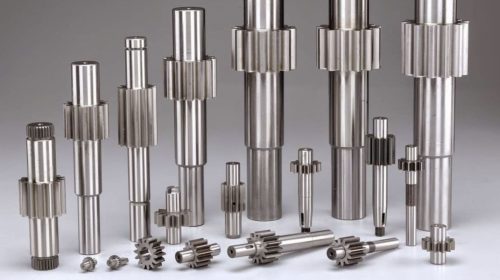
A Spline Drive Shaft uses multiple teeth around its circumference to engage with matching grooves in a hub or other component. This geometry creates a mechanical connection capable of transferring torque while maintaining rotational alignment. Depending on the design, it can also permit axial movement, making splined arrangements valuable in vehicle drivetrains, industrial transmissions, and mobile machinery.
The Principle of Positive Engagement
A splined shaft has a series of evenly arranged external teeth. The mating component contains corresponding internal grooves. When assembled, the tooth flanks contact the grooves and transmit rotational force.
Unlike a connection that depends entirely on friction, a spline provides a defined mechanical engagement. Several teeth can participate in carrying the load, although actual distribution is influenced by manufacturing accuracy, fit, alignment, and elastic deformation.
The number and size of the teeth are selected according to torque, available diameter, engagement length, and the required strength. A greater tooth count does not automatically mean a stronger connection; tooth dimensions and material properties remain critical.
Why Splines Are Useful for Torque Transfer
One advantage is the ability to distribute load across multiple contact surfaces. This can help reduce the concentration of force associated with some simpler connection arrangements. Splines can also be designed to accommodate compact assemblies where a larger key or multiple fasteners would be inconvenient.
Another benefit is the possibility of sliding engagement. A hub can move along the shaft while remaining rotationally connected, provided the spline form and fit are designed for that purpose. This feature is used in mechanisms that change position during operation or assembly.
Spline Types and Their Uses
Involute splines are common in power-transmission systems because their tooth geometry supports accurate engagement and can be manufactured using established gear-related methods. Straight-sided splines are also used where particular design or manufacturing requirements favor parallel tooth flanks.
The correct profile should be selected according to the applicable standard, load, fit, and production method. Specifications commonly identify tooth count, dimensions, fit class, and other geometry details. Engineers should confirm the complete designation rather than relying on a general description such as “splined shaft.”
Material Selection and Surface Hardness
Spline teeth may experience contact stress, sliding friction, and repeated torque cycles. The shaft material must resist tooth deformation, fatigue, and wear. Medium-carbon and alloy steels are widely used, with grade selection depending on the application.
Heat treatment may increase surface hardness while preserving a tougher core. Case hardening is one possible approach for applications where tooth-flank wear is a concern. The treatment process must be controlled to avoid cracking and excessive distortion, both of which can affect spline accuracy.
Manufacturing Accuracy
Spline production can involve hobbing, shaping, milling, broaching, rolling, or grinding. Process selection depends on the profile, dimensions, material, accuracy requirements, and production volume.
Important quality characteristics include tooth thickness, pitch diameter, lead accuracy, concentricity, and surface finish. The fit between shaft and hub must be verified because poor contact can concentrate load on a small number of teeth. Functional gauging can provide useful evidence of assembly compatibility.
Applications in Industry and Transportation
Automotive drivetrains use splined connections in components such as transmission shafts, axle assemblies, and other torque-transfer interfaces. Agricultural equipment uses them to connect power sources with implements and attachments. Industrial gearboxes, machine tools, and automated equipment may use splines to connect gears, couplings, or sliding sleeves.
Mobile hydraulic systems can also incorporate splined interfaces between motors, pumps, and drive components. In each case, the design must account for torque, speed, lubrication, contamination, and the expected operating cycle.
Maintenance and Common Wear Issues
Wear may appear as fretting, polished tooth flanks, corrosion, looseness, or damaged tooth edges. In sliding splines, inadequate lubrication can increase friction and make axial movement difficult. Contamination may accelerate abrasive wear.
Maintenance procedures should use the specified lubricant and inspect the mating components together. Replacing only one part of a badly worn connection may leave the assembly vulnerable to rapid repeat damage.
Conclusion
Spline drive shaft designs are important because they provide positive, adaptable connections for transmitting rotational power. Their ability to distribute torque across multiple teeth and, in suitable designs, permit axial movement makes them useful across many industries. Correct profile selection, strong materials, accurate manufacturing, suitable lubrication, and regular inspection are essential to achieving reliable service.