

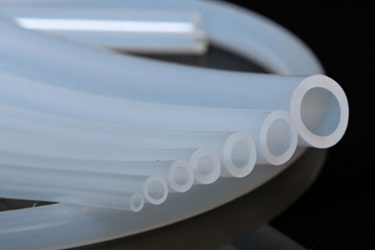
Medical silicone tubing plays a crucial role in modern healthcare, serving as a reliable component in a wide range of medical devices. From intravenous therapy and catheters to respiratory systems and laboratory equipment, silicone tubing ensures safe and efficient fluid transfer. However, not all silicone tubing is created equal, and sourcing the right product requires careful evaluation. Selecting high-quality tubing is essential to maintain patient safety, device reliability, and regulatory compliance.
Table of Contents
ToggleCompliance and Quality Standards
The first factor to consider when sourcing silicone tubing is compliance with medical standards and regulatory requirements. Medical-grade silicone must meet strict safety and performance standards, including biocompatibility and resistance to chemical reactions. It should adhere to ISO 10993 standards for biological evaluation, as well as FDA approval for medical use. Compliance ensures that the tubing is safe for contact with biological fluids, medications, and patient tissue.
Working with a trusted supplier is equally critical. Many healthcare providers and device manufacturers rely on specialized suppliers to ensure consistent quality. Medical Silicone Tubing sourced from reputable manufacturers comes with certification and documentation, verifying its quality and compliance. This guarantees that the tubing can withstand sterilization, maintain performance under pressure, and function reliably in sensitive medical applications.
Material Properties and Performance
Understanding the material properties of silicone tubing is essential for selecting the right product. Key characteristics include flexibility, tensile strength, temperature resistance, and chemical compatibility. Flexibility is important for applications where tubing must bend or move without kinking, such as in catheters, ventilators, and feeding systems.
Tensile strength ensures the tubing can handle mechanical stress and pressure without collapsing or tearing. Temperature resistance is equally critical because medical tubing often undergoes sterilization using autoclaves, gamma radiation, or chemical sterilants. High-quality silicone tubing maintains its structure, elasticity, and performance even after repeated exposure to heat and sterilization.
Chemical resistance is another vital factor. Silicone tubing must remain inert when in contact with medications, saline solutions, or cleaning agents. Tubing that reacts with fluids can compromise patient safety and reduce device reliability. Verifying chemical compatibility with intended applications ensures that the tubing performs consistently in clinical environments.
Dimensions and Customization
Medical devices require tubing that meets specific size and design requirements. Inner diameter, wall thickness, and length must align with the device’s specifications to ensure proper fluid flow and compatibility with connectors or fittings. Improperly sized tubing can lead to leaks, blockages, or inefficiency, which could compromise patient care.
Customizable silicone tubing is an advantage when sourcing components for specialized equipment. Manufacturers can provide tubing in specific diameters, lengths, and wall thicknesses to suit diverse medical applications. Color-coded or multi-lumen tubing further improves safety and usability by differentiating fluids or gases, reducing errors, and streamlining workflow in complex medical environments.
Sterilization and Reusability
The ability to withstand sterilization processes is a key consideration in sourcing silicone tubing. Hospitals and clinics frequently sterilize tubing to maintain hygiene and prevent infections. Tubing that degrades or loses flexibility after repeated sterilization poses a risk to both patients and medical devices.
Medical-grade silicone tubing should be compatible with multiple sterilization methods, including autoclaving, gamma radiation, and chemical disinfectants. Tubing designed for repeated sterilization can be reused safely, reducing costs and medical waste while maintaining consistent performance. Single-use tubing must also meet high-quality standards to ensure it is sterile and safe for immediate use.
Supplier Reputation and Support
Choosing a reliable supplier is just as important as selecting the right tubing. Trusted suppliers provide detailed product specifications, certifications, and technical support. They help healthcare providers and device manufacturers select tubing that meets specific requirements and offer guidance on best practices for installation and maintenance.
Suppliers with experience in the medical field are familiar with a wide range of applications, from intensive care units to laboratory settings. Partnering with a reputable supplier minimizes risks associated with substandard materials, regulatory non-compliance, and inconsistent performance.
Cost and Availability
While quality should always be the priority, cost and availability are practical factors in sourcing silicone tubing. Bulk purchasing, long-term contracts, and reliable supply chains can help healthcare providers manage costs without compromising on quality. Ensuring that the supplier can meet demand promptly is also critical to avoid delays in medical operations.
Conclusion
Sourcing medical silicone tubing requires careful evaluation of multiple factors, including compliance, material properties, dimensions, sterilization capabilities, supplier reliability, and cost. Selecting high-quality tubing ensures patient safety, device performance, and operational efficiency. By considering these factors, healthcare providers and manufacturers can make informed decisions, ensuring that their medical equipment operates safely, effectively, and in full compliance with regulatory standards. High-quality medical silicone tubing is not just a component—it is a critical element that supports safe and efficient patient care.