
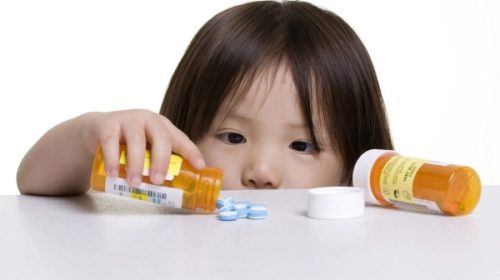
Child proof packaging is an essential component in industries that handle potentially hazardous products, such as pharmaceuticals, chemicals, and dietary supplements. Its primary function is to prevent children from accidentally accessing dangerous substances while remaining accessible to adults. The effectiveness of these packages depends heavily on the materials used in their production. Manufacturers must carefully select materials that are durable, safe, and compliant with regulatory standards to ensure both functionality and reliability.
Table of Contents
ToggleThe Importance of Material Selection in Child Proof Packaging
Choosing the right materials is critical for child proof packaging wholesale production. The materials must withstand repeated handling, resist tampering, and maintain the integrity of safety mechanisms over time. Additionally, these materials should comply with environmental and safety regulations to avoid health risks or legal issues. Businesses sourcing Child Proof Packaging Wholesale rely on suppliers who understand the specific requirements for materials that combine strength, durability, and safety in a cost-effective manner. Selecting the proper material not only ensures compliance but also enhances consumer trust in the product.
Plastics: Polypropylene and High-Density Polyethylene
Plastics are the most commonly used materials in child proof packaging due to their versatility, strength, and ease of molding into complex shapes. Two plastics, in particular, are widely used:
-
Polypropylene (PP): This plastic is lightweight, chemically resistant, and ideal for packaging items like medications and supplements. Polypropylene can be molded into various child-resistant caps, push-and-turn lids, and squeeze-and-turn closures, making it a preferred choice for secure packaging.
-
High-Density Polyethylene (HDPE): Known for its toughness and impact resistance, HDPE is frequently used in the production of bottles and containers. It withstands repeated handling and external pressure, ensuring the packaging maintains its protective function even in demanding conditions. HDPE is also chemically resistant, which is essential when packaging potentially reactive substances.
Glass: Safety and Durability
Glass is another material commonly used in child proof packaging, especially for liquid medications, essential oils, and cosmetic products. Glass offers excellent chemical stability, preventing interactions with the product it contains. It is also highly durable when combined with child-resistant caps or closures.
In wholesale production, glass containers are often paired with specialized closures made of plastic or metal to ensure child resistance. While glass is heavier and more fragile than plastics, it provides a premium feel and can enhance the perceived value of the product.
Metals: Aluminum and Tin
Metal packaging is valued for its strength, longevity, and ability to protect products from light, air, and moisture. Aluminum and tin are commonly used in child proof packaging production:
-
Aluminum: Lightweight, corrosion-resistant, and recyclable, aluminum is ideal for aerosol cans, pill tins, and other rigid containers. It can be easily fitted with child-resistant caps or mechanisms.
-
Tin: Often used for small containers and tins, tin provides excellent durability and an additional layer of protection against external factors. Its rigidity ensures that child-resistant closures remain effective over repeated use.
Blister Packs and Laminates
Blister packs are widely used for pharmaceuticals, particularly tablets and capsules. These packages typically combine layers of plastic and foil to create a sealed compartment for each individual dose. The laminate layers add tamper resistance and make it more difficult for children to access the contents. Blister packs are cost-effective, lightweight, and provide visual assurance that the product is intact and safe.
The use of laminates also allows for custom printing, enabling manufacturers to include safety warnings, dosage information, and branding directly on the package.
Sustainable Materials
With increasing focus on environmental sustainability, many child proof packaging manufacturers are exploring biodegradable plastics, recycled plastics, and eco-friendly laminates. These materials aim to provide the same level of protection as conventional plastics while minimizing environmental impact. Sustainable options may include polylactic acid (PLA) plastics or post-consumer recycled materials, which meet safety standards and contribute to corporate responsibility initiatives.
Material Considerations for Safety Compliance
Regardless of the material chosen, compliance with safety standards is critical. Child proof packaging materials must be tested for strength, durability, and resistance to tampering. They should also be free from harmful chemicals, such as BPA or phthalates, which could leach into the product. Suppliers involved in wholesale production are responsible for ensuring that materials meet both national and international safety regulations, including guidelines from the Consumer Product Safety Commission (CPSC) and the European Committee for Standardization (CEN).
Conclusion
Materials play a fundamental role in the effectiveness and reliability of child proof packaging. Plastics such as polypropylene and HDPE, glass, metals like aluminum and tin, and laminated blister packs are the most commonly used materials due to their durability, safety, and ability to support child-resistant mechanisms. The growing demand for sustainable materials also highlights the importance of balancing safety with environmental responsibility. For businesses sourcing child proof packaging wholesale, selecting high-quality materials is crucial to meet regulatory compliance, maintain consumer trust, and ensure the safety of vulnerable populations. Proper material selection not only safeguards products but also reinforces brand credibility in a highly competitive market.