
Creating a functional and comfortable wudu area can be challenging in small homes, compact apartments, or facilities where space is limited. Yet maintaining proper wudu practices remains essential regardless of the available room. This is why space-saving designs for a dedicated foot washing area have become increasingly popular. A well-designed Muslim foot washing sink can ensure convenience, safety, and cleanliness without requiring major renovations or additional square footage.
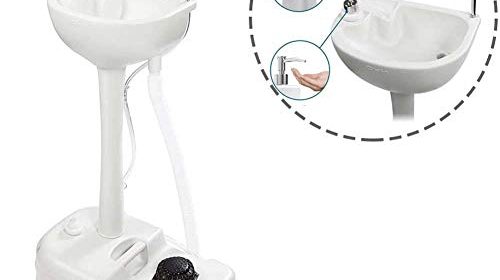
Modern compact units, such as this Muslim foot washing sink, demonstrate how efficiently these fixtures can fit into tight spaces while still offering the full functionality needed for proper ablution. Purpose-built designs focus on simplicity, ease of installation, and ergonomic comfort, allowing users to maintain wudu routines more efficiently.
Maximizing Vertical Space in Tight Areas
One of the most effective strategies for saving space is utilizing vertical installation designs. Instead of spreading fixtures across a wide wall, manufacturers create wudu sinks that stack the hand and foot basins vertically. This approach significantly reduces the width required while still accommodating all essential actions of wudu.
Vertical layouts also make it easier to position the sink in narrow hallways, utility corners, or compact washrooms. By keeping the footprint small, this design style supports efficient movement and prevents overcrowding, especially in shared or multi-user environments.
Wall-Mounted Options for Greater Floor Clearance
Another space-saving solution is the use of wall-mounted sinks that maintain a high level of functionality while keeping the floor area clear. The elimination of a base or pedestal provides several advantages. It allows easy cleaning beneath the sink, improves accessibility for users with mobility needs, and offers flexibility in height adjustment during installation.
For homes with limited floor plan options, wall-mounted sinks make it possible to create a dedicated wudu spot in areas that may otherwise remain unused, such as behind doors, in small bathrooms, or alongside laundry appliances.
Compact Basins Designed for Safe Foot Positioning
Many modern wudu sinks feature compact but carefully shaped basins that support secure foot placement without consuming excessive space. These ergonomically designed basins often incorporate angled surfaces to direct water flow efficiently, reducing splash and keeping the surrounding area dry.
This is particularly helpful in small rooms where water exposure could create slip hazards or damage adjacent surfaces. By containing water effectively, compact basins ensure both safety and hygiene without the need for a large installation area.
Multi-Functional Installations for Shared Spaces
In both residential and public settings, combining multiple functions into a single unit is a smart way to save room. Integrated hand and foot washing systems reduce the need for separate fixtures, minimizing clutter and simplifying routine cleaning.
In homes with limited washroom space, a multi-functional wudu sink can replace the need for a full additional basin. This allows families to perform ablution comfortably without interfering with other bathroom needs. In public environments, such as offices or small prayer rooms, a multi-purpose sink supports higher traffic without expanding the facility footprint.
Corner Installations for Underused Spaces
Corners often go unused in small washrooms, yet they provide ideal placement for compact wudu sinks. Corner-mounted designs take advantage of this often-overlooked space, allowing the sink to fit neatly while keeping the central floor area open.
These installations work especially well in square or rectangular rooms where fitting a fixture along the main wall would restrict movement. Corner units also help create a natural separation between general use areas and the wudu zone, improving flow and privacy.
Foldable or Retractable Seating for Added Convenience
Some space-saving wudu solutions incorporate foldable seating options. A small built-in bench that folds against the wall ensures stability during foot washing while occupying minimal space when not in use. This design provides comfort for elderly users or those who prefer sitting during wudu.
Retractable seating enhances the practicality of compact installations and supports safe use without requiring extra structural changes.
Efficient Plumbing Layouts to Reduce Installation Size
A well-planned plumbing configuration can significantly reduce the overall size of a wudu setup. Space-saving sinks often use simplified water inlets and drainage systems that align vertically. This allows them to be installed against narrow walls without extensive pipe rerouting.
By keeping plumbing compact and direct, installation becomes easier, faster, and more adaptable to small rooms. For homeowners or facility managers trying to fit a wudu sink into an existing layout, these efficient designs offer a major advantage.
Final Thoughts
Space-saving designs for Muslim foot washing sink installations make it possible to create a dedicated, functional wudu area even in the smallest environments. Through thoughtful engineering—such as vertical layouts, compact basins, wall-mounted systems, and corner installations—these sinks offer convenience without compromising proper ablution practices. Whether in a home, office, or community prayer room, the right design ensures a comfortable and hygienic wudu experience while making the most of limited space.