
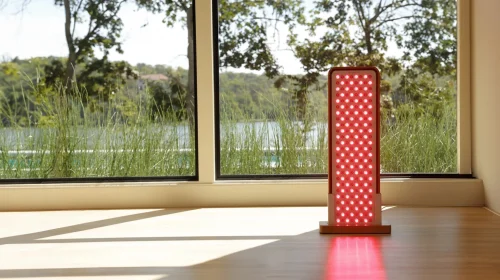
Red light technology has expanded across wellness, professional, and industrial fields due to its efficiency, versatility, and consistent performance. As demand grows, users are often faced with a wide range of product options that vary in size, power, and technical features.
Selecting the right device depends heavily on intended use, session goals, and environmental setup. A properly chosen red led panel can provide better results, improved efficiency, and a more comfortable user experience compared to a mismatched or underpowered option.
Table of Contents
ToggleUnderstanding Your Intended Use
Before selecting a red LED panel, it is important to clearly define how and where it will be used. Different applications require different specifications.
Common usage categories include:
- Personal wellness routines at home
- Fitness recovery and muscle support
- Professional wellness or therapy settings
- Studio, industrial, or lighting applications
Each category may require different panel sizes, power levels, and feature sets to ensure optimal performance.
Panel Size and Coverage Area
One of the first considerations when choosing a device is size. The physical dimensions of the panel determine how much area can be exposed to light at one time.
Smaller panels are suitable for:
- Targeted facial treatments
- Joint or localized muscle areas
- Portable or travel-friendly use
Larger panels are better for:
- Full-body exposure
- Back, legs, or multiple muscle groups
- Time-efficient sessions
Choosing the correct size helps reduce session time and improves overall convenience.
Power Output and Irradiance Levels
Power output, often measured as irradiance, plays a major role in determining how strong the light exposure is during each session.
Higher irradiance levels generally allow:
- Shorter treatment durations
- More intense light delivery
- Faster coverage of target areas
However, higher power is not always better for every user. Beginners or sensitive users may prefer moderate settings for comfort and gradual adaptation.
Wavelength Options and Light Spectrum
Red LED panels typically operate within two main wavelength ranges:
- Red light (630–660 nm) for surface-level applications
- Near-infrared light (810–850 nm) for deeper penetration
Some panels offer both wavelengths simultaneously, allowing users to target different layers of tissue in a single session. This flexibility is useful for users who want a more comprehensive light exposure experience.
Build Quality and Durability
A well-built panel ensures long-term reliability and consistent performance. When evaluating build quality, consider:
- Strong aluminum or metal frame construction
- Quality LED chips with stable output
- Reliable internal wiring and circuitry
- Effective heat management systems
Durable construction reduces the risk of performance decline and extends the lifespan of the device.
Heat Management and Safety Features
Efficient heat dissipation is essential for maintaining consistent LED output and ensuring safe operation. Poor heat control can lead to reduced performance and shorter device life.
Look for features such as:
- Built-in cooling fans or heat sinks
- Low-heat LED configurations
- Temperature-resistant components
- Automatic shut-off timers
These features help maintain stable operation during longer sessions.
Control Options and Ease of Use
Modern red LED panels often include user-friendly controls that improve convenience and flexibility.
Useful features include:
- Adjustable intensity levels
- Built-in timers for session control
- Remote or app-based operation
- Pre-set program modes
These functions make it easier to maintain consistent routines without manual adjustments each time.
Safety Standards and Certifications
Safety is an important factor when selecting any electronic device. Certified products are more likely to meet quality and performance standards.
Common certifications may include:
- CE compliance for safety standards
- RoHS certification for material safety
- Other region-specific regulatory approvals
While certifications do not guarantee performance, they do indicate adherence to basic safety requirements.
Budget vs Performance Balance
Price is often a deciding factor, but it should be balanced with performance and durability. Cheaper devices may lack consistency or long-term reliability, while higher-end models often provide better stability and features.
A practical approach is to:
- Identify essential features first
- Compare devices within the same category
- Prioritize quality over unnecessary extras
This helps ensure better long-term value and satisfaction.
Maintenance and Long-Term Considerations
After purchase, proper maintenance plays a key role in preserving performance. Basic care includes:
- Keeping the panel clean and dust-free
- Avoiding physical damage or pressure
- Ensuring stable power supply usage
- Following manufacturer usage guidelines
Good maintenance habits help maintain consistent light output over time.
Conclusion
Choosing the right red LED panel requires careful consideration of size, power output, wavelength options, build quality, and intended use. Each factor contributes to overall performance and user satisfaction.
By matching the device to specific needs and focusing on quality and functionality, users can ensure a more effective and reliable experience over time.