

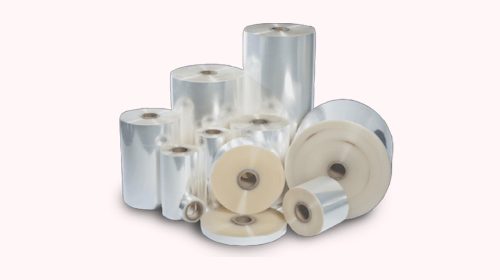
BOPP (Biaxially Oriented Polypropylene) film has become a cornerstone material in the flexible packaging industry due to its excellent balance of strength, clarity, and versatility. It is widely used in food packaging, labeling, lamination, and protective wrapping across global markets. As industries continue to demand lighter, more durable, and cost-efficient packaging solutions, the importance of high-quality film production continues to grow.
The role of suppliers in this ecosystem is significant, as their manufacturing capabilities directly influence packaging performance, product shelf life, and overall brand presentation. In this context, many packaging companies carefully evaluate different BOPP film manufacturers to ensure they receive materials that meet strict quality, safety, and performance requirements across diverse applications.
Table of Contents
ToggleThe Importance of BOPP Film in Flexible Packaging
Flexible packaging relies on materials that are lightweight, durable, and adaptable to different product types. BOPP film fits these requirements perfectly due to its unique physical and optical properties.
It offers:
- High tensile strength with low material weight
- Excellent moisture resistance
- Superior optical clarity and gloss
- Strong barrier properties when coated or laminated
These characteristics make it suitable for packaging snacks, bakery items, pharmaceuticals, personal care products, and industrial goods.
How Manufacturers Influence Film Quality
The performance of BOPP film depends heavily on how it is produced. Manufacturers control every stage of production, from raw material selection to final finishing. Even small variations in processing can significantly affect clarity, strength, and usability.
Key production factors include:
- Resin purity and composition
- Precision in extrusion and casting
- Controlled biaxial orientation process
- Cooling rate and stabilization conditions
Each of these steps contributes to ensuring that the final film meets the required performance standards for flexible packaging applications.
Biaxial Orientation and Its Role in Performance
A defining feature of BOPP film is the biaxial orientation process, where the film is stretched in both machine and transverse directions. This molecular alignment significantly enhances mechanical and optical properties.
Benefits of this process include:
- Improved tensile strength and tear resistance
- Enhanced dimensional stability
- Better transparency and surface smoothness
- Reduced material usage without compromising durability
This allows packaging companies to achieve both cost efficiency and high-performance packaging.
Applications Across the Flexible Packaging Industry
BOPP film is used across a wide range of industries due to its adaptability and performance consistency. Its applications continue to expand as packaging technology evolves.
Common uses include:
- Food packaging films for snacks and confectionery
- Pressure-sensitive labels and adhesive tapes
- Lamination layers for printed materials
- Wrapping for textiles and consumer goods
- Protective packaging for industrial products
Its versatility makes it a preferred choice for manufacturers seeking both functional and aesthetic packaging solutions.
Innovation and Technology in Production
Modern production facilities rely on advanced technologies to improve film quality and production efficiency. Automation and precision engineering play a critical role in maintaining consistency across large-scale manufacturing.
Technological advancements include:
- Automated thickness control systems
- Real-time defect detection sensors
- Advanced surface treatment methods for better printability
- Energy-efficient extrusion systems
These innovations help manufacturers meet increasing global demand while maintaining strict quality standards.
Sustainability and Market Trends
Sustainability has become an important focus in the packaging industry. Manufacturers are increasingly adopting eco-friendly practices to reduce environmental impact and improve recyclability.
Trends shaping the industry include:
- Development of recyclable mono-material packaging
- Reduction of raw material consumption through thinner films
- Energy-efficient production processes
- Improved waste management systems
These efforts support global sustainability goals while maintaining packaging performance.
Conclusion
The flexible packaging industry depends heavily on the quality and innovation of BOPP film production. From food safety to product presentation, BOPP film plays a critical role in ensuring both functionality and visual appeal. Manufacturers are central to this ecosystem, as their technology, quality control, and innovation directly shape the performance of packaging materials.
As demand continues to grow, businesses will increasingly rely on advanced and reliable suppliers to meet evolving packaging needs, making manufacturer selection a key strategic decision in the supply chain.


