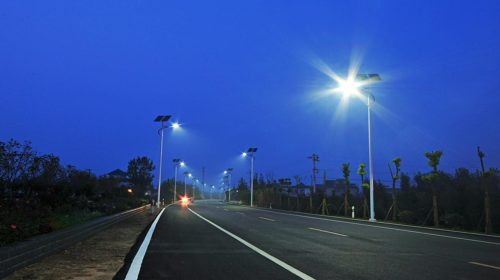
Wholesale LED flood lights have become an important sourcing category for electrical wholesalers, lighting distributors, construction companies, and international importers. As demand for energy-efficient outdoor and industrial lighting increases, businesses are looking for manufacturers that can provide competitive prices, consistent product quality, and reliable bulk supply.
China is a popular sourcing destination because of its established lighting manufacturing industry, extensive component supply chains, and broad selection of LED products. However, importing lighting products requires careful planning, particularly when dealing with product specifications, supplier verification, shipping arrangements, and regulatory requirements. Understanding these factors can help buyers make informed purchasing decisions and establish successful long-term supplier relationships.
Why Importers Choose China for Wholesale LED Flood Lights
China offers several advantages for businesses purchasing LED flood lights in large quantities. Its manufacturing industry includes companies specializing in outdoor lighting, industrial fixtures, commercial illumination, and customized LED solutions.
One major advantage is product variety. Importers can find flood lights in different wattages, brightness levels, beam angles, color temperatures, and housing designs.
Other benefits include:
- Competitive manufacturing costs: Large-scale production can support attractive wholesale pricing.
- Product customization: Manufacturers may offer private labeling, customized packaging, and different technical configurations.
- Manufacturing capacity: Established factories can support recurring orders and larger purchasing requirements.
- Component availability: Access to LED chips, drivers, aluminum housings, and other components supports production.
- Export experience: Many manufacturers are familiar with international shipping and commercial documentation.
These advantages make China an attractive option for wholesalers and distributors seeking to expand their lighting product portfolios.
1. Identify Your Wholesale Market Requirements
Before contacting manufacturers, determine the requirements of your target market. Different customers may have different expectations regarding brightness, durability, installation methods, and pricing.
For example, electrical distributors may focus on standard outdoor flood lights for residential and commercial customers, while industrial buyers may require higher-output fixtures for warehouses and manufacturing facilities.
Consider the following factors:
- Target customer groups and application areas.
- Expected monthly or annual sales volume.
- Preferred wattages and lumen outputs.
- Required IP protection ratings.
- Applicable electrical and environmental regulations.
- Local market pricing and competitor products.
Understanding these requirements will help you select suitable products and avoid purchasing inventory that may be difficult to sell.
2. Choose a Reliable China LED Flood Light Supplier
Supplier selection is one of the most important steps in wholesale sourcing. A manufacturer’s production capabilities, quality management, communication, and delivery performance can directly affect your business operations.
When evaluating a potential manufacturer, investigate its industry experience, manufacturing facilities, product range, and international export history.
You can also explore established manufacturers such as China led flood light supplier when researching available lighting products and comparing potential sourcing options.
Before making a purchasing commitment, request company information, product catalogs, technical datasheets, and relevant quality documentation.
For larger orders, consider arranging a factory audit or independent inspection to verify the supplier’s capabilities.
3. Understand LED Flood Light Specifications
Technical specifications determine whether a product is appropriate for your customers and intended applications.
Importers should understand the main performance characteristics before requesting wholesale quotations.
| Specification | Importance |
|---|---|
| Wattage | Indicates electrical power consumption |
| Lumen output | Measures total visible light output |
| Luminous efficacy | Shows light output per watt |
| Beam angle | Determines light distribution |
| Color temperature | Defines the appearance of white light |
| CRI | Indicates color rendering quality |
| IP rating | Shows protection against dust and water |
| Power factor | Indicates electrical power utilization |
For outdoor applications, IP65 or higher protection is commonly considered, depending on the installation environment.
It is also important to evaluate driver quality, surge protection, operating temperature, and heat dissipation.
4. Compare Wholesale Prices and Minimum Order Quantities
Wholesale pricing is a major consideration for importers and distributors. Chinese manufacturers may offer different pricing structures depending on order volume, product specifications, and customization requirements.
Minimum order quantities (MOQs) also vary between suppliers. Standard products may have more flexible purchasing conditions, while customized models can require larger orders.
When comparing quotations, request detailed information about:
- Unit prices at different order quantities.
- Minimum order requirements.
- Sample costs.
- Customization charges.
- Packaging expenses.
- Payment conditions.
- Production lead times.
Avoid comparing products based on price alone. Two flood lights with the same wattage may differ significantly in LED chip quality, driver performance, luminous efficacy, and overall construction.
A detailed comparison helps determine which supplier offers the best balance between cost and product quality.
5. Verify Product Certifications and Quality Standards
Compliance is essential when importing electrical lighting products. Different countries and regions have specific requirements for product safety, electromagnetic compatibility, and environmental compliance.
Depending on the destination market and product category, relevant documentation may include:
- CE marking and supporting conformity documentation.
- RoHS compliance reports.
- CB certification where applicable.
- IP protection test reports.
- IEC-related electrical safety test reports.
- Photometric performance reports.
Buyers should verify that documentation corresponds to the exact product models being purchased.
For additional assurance, request reports from appropriately accredited testing laboratories. Do not rely exclusively on certification logos or general statements displayed in online product catalogs.
6. Request Samples Before Placing Bulk Orders
Ordering samples is an effective way to evaluate product quality before investing in a large inventory.
A sample allows importers to inspect the fixture’s construction and test its actual performance.
During evaluation, pay attention to:
- Housing material and overall finishing.
- LED chip and driver specifications.
- Brightness and light distribution.
- Heat generation during operation.
- Waterproofing and enclosure construction.
- Mounting arrangements and installation convenience.
Whenever possible, test samples under conditions similar to those in which your customers will use the products.
For larger orders, an independent quality inspection can help confirm that the production batch matches the approved sample.
7. Evaluate Customization and Private Labeling Options
Customization can help distributors differentiate their products in competitive markets.
Many manufacturers provide options for private labeling and customized product configurations, depending on their production capabilities.
Common customization options include:
- Company logos and branding.
- Customized packaging and product labels.
- Different housing colors.
- Specialized mounting brackets.
- Alternative wattages and beam angles.
- Specific cable and installation requirements.
Before confirming customization, discuss minimum quantities, artwork approval, sample development, additional costs, and production schedules.
Make sure that all approved specifications are documented before mass production begins.
8. Understand Shipping, Logistics, and Import Duties
Shipping is an important part of the total cost of importing wholesale LED flood lights.
The most suitable transportation method depends on order size, delivery deadlines, destination, and available budget.
Sea freight: Generally suitable for large shipments because it can offer lower transportation costs per unit.
Air freight: Useful when products are needed quickly or when shipping smaller quantities.
Express shipping: Often appropriate for samples and urgent small packages.
Importers should also clarify the applicable Incoterms, freight responsibilities, insurance arrangements, and customs documentation.
Common shipping documents may include commercial invoices, packing lists, bills of lading, and certificates of origin where required.
Before placing an order, check the import regulations and customs duties applicable in your destination country.
9. Calculate the Total Landed Cost
A competitive factory quotation does not necessarily represent the final cost of importing a product.
The landed cost includes the expenses involved in purchasing, transporting, clearing, and receiving the goods.
Important cost components include:
- Product purchase price.
- International freight charges.
- Cargo insurance.
- Customs duties and applicable taxes.
- Customs clearance fees.
- Local transportation and handling.
- Inspection and compliance expenses.
Calculating the total landed cost helps importers establish realistic selling prices and determine expected profit margins.
It also makes comparisons between suppliers and shipping options more accurate.
10. Review Payment Terms and Supplier Agreements
Clear payment arrangements help protect both buyers and manufacturers during international transactions.
Common payment methods may include bank transfers and other agreed commercial payment arrangements.
Before transferring funds, verify the supplier’s legal business information and confirm that payment instructions match the verified company details.
A written purchase agreement should clearly specify:
- Product models and technical specifications.
- Order quantities and unit prices.
- Payment schedule.
- Production and delivery deadlines.
- Packaging requirements.
- Inspection procedures.
- Warranty and replacement conditions.
Avoid making large financial commitments without clear documentation and an understanding of the supplier’s business identity.
11. Consider Warranty and After-Sales Support
Warranty coverage is especially important for distributors who sell LED flood lights to contractors, businesses, and end users.
Product failures can affect customer satisfaction and create additional costs for wholesalers.
Before choosing a manufacturer, review the warranty duration, covered components, exclusions, and procedures for handling defective products.
Also ask whether the supplier can provide replacement parts, technical assistance, and support for future orders.
Reliable after-sales service can strengthen customer relationships and make repeat purchasing easier.
12. Build a Long-Term Wholesale Supply Relationship
Successful importing is not limited to completing one order. Distributors often benefit from developing long-term relationships with manufacturers that understand their product requirements and business expectations.
A consistent supplier can make repeat purchasing more predictable and help maintain product specifications across different batches.
Regular communication also makes it easier to discuss new product developments, pricing adjustments, customization requirements, and changing market demand.
However, businesses should continue monitoring quality and supplier performance rather than assuming that previous successful orders guarantee future consistency.
Common Mistakes Importers Should Avoid
New and experienced importers can encounter problems when sourcing LED flood lights internationally.
Some common mistakes include:
- Choosing manufacturers based only on the lowest quotation.
- Purchasing large quantities without testing samples.
- Ignoring local certification and import requirements.
- Failing to calculate total landed costs.
- Overlooking warranty and replacement policies.
- Not confirming production schedules in writing.
- Neglecting independent inspections for large orders.
Avoiding these mistakes can reduce financial risks and improve the efficiency of wholesale procurement.
Conclusion
Importing wholesale LED flood lights from China offers significant opportunities for distributors, wholesalers, contractors, and lighting businesses. Competitive manufacturing costs, extensive product selections, customization options, and established export networks make China an attractive sourcing destination.
However, successful importing requires careful supplier evaluation and proper procurement planning. Buyers should examine technical specifications, product certifications, manufacturing quality, wholesale pricing, shipping arrangements, and after-sales support before placing bulk orders.
By calculating total landed costs, testing product samples, and establishing clear supplier agreements, importers can build a more reliable supply chain and provide their customers with dependable LED flood lighting solutions.