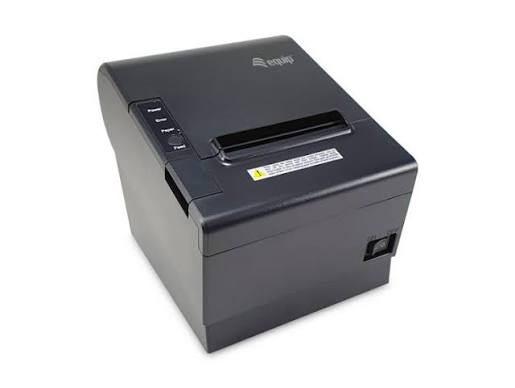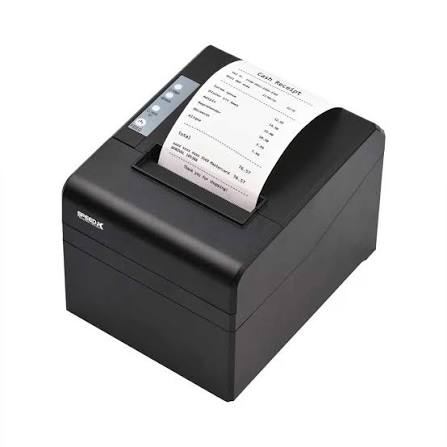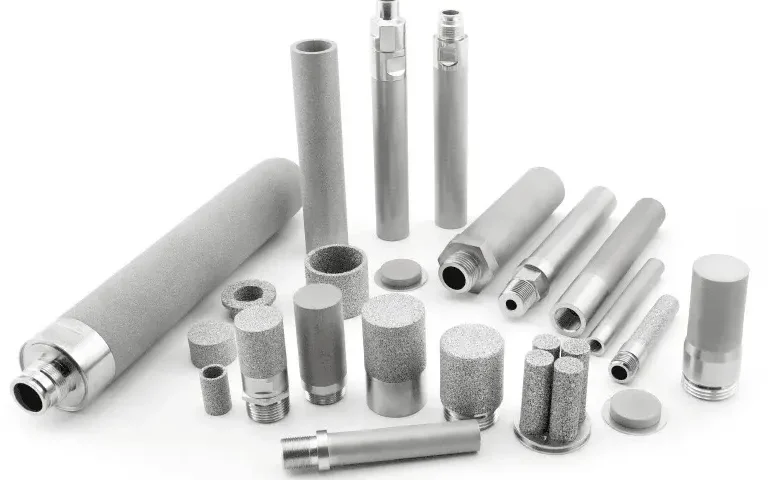
Receipt printers are essential tools in businesses that process daily transactions, including retail stores, restaurants, supermarkets, hotels, and transportation services. These devices must deliver clear printing, consistent paper feeding, reliable connectivity, and stable performance under frequent use. Even minor manufacturing defects can cause printing interruptions, transaction delays, and additional maintenance expenses.
To reduce these risks, manufacturers follow quality management practices and conduct various inspections throughout production. A reliable Receipt Printer Manufacturer typically evaluates product materials, electronic components, mechanical assemblies, and finished printer performance before equipment reaches the market. Understanding these standards and testing procedures helps buyers assess product quality and make informed purchasing decisions.
Why Quality Standards Matter in Receipt Printer Manufacturing
Quality standards provide a structured approach to maintaining consistency during product design, manufacturing, inspection, and delivery. They help manufacturers establish clear requirements for materials, production processes, safety, and product performance.
For receipt printers, quality management is particularly important because the equipment often operates continuously during business hours. A printer used at a busy checkout counter may process hundreds or thousands of transactions, making reliability an important purchasing consideration.
Consistent quality procedures can help manufacturers:
- Reduce manufacturing defects and product inconsistencies.
- Improve printing clarity and mechanical performance.
- Maintain reliable operation during frequent use.
- Support electrical and operational safety.
- Reduce warranty claims and unnecessary repairs.
- Improve customer confidence and product reputation.
Quality management is not limited to inspecting finished printers. It begins during product development and continues through component sourcing, assembly, testing, and packaging.
Common Quality Management Standards in Printer Manufacturing
Manufacturers may use recognized quality management frameworks and product-specific testing requirements to organize their production processes. The standards that apply depend on the product design, target markets, manufacturing facilities, and regulatory requirements.
ISO 9001 Quality Management Systems
ISO 9001 is an internationally recognized standard for quality management systems. It provides a framework for managing processes, maintaining documented procedures, monitoring performance, and improving customer satisfaction.
In receipt printer manufacturing, an ISO 9001-based system may support:
- Documented production and inspection procedures.
- Supplier evaluation and material control.
- Traceability of manufacturing activities.
- Corrective action when defects occur.
- Internal audits and process reviews.
- Continuous improvement initiatives.
ISO 9001 certification relates to an organization’s quality management system. It does not automatically mean that every product meets every technical or safety requirement. Buyers should review product-specific evidence separately.
Electrical Safety Requirements
Receipt printers contain power supplies, circuit boards, electronic components, and electrical connections. These parts must be designed and tested according to the safety requirements applicable to the intended market.
Depending on the product and destination country, relevant requirements may include IEC-based safety standards and regional conformity regulations.
Manufacturers may evaluate insulation, electrical connections, temperature behavior, grounding arrangements where applicable, and protection against electrical hazards.
Electromagnetic Compatibility
Receipt printers contain electronic circuits and communication interfaces that can generate or be affected by electromagnetic disturbances.
Electromagnetic compatibility testing evaluates whether a device operates properly in its intended electromagnetic environment and whether its emissions remain within applicable limits.
Requirements vary by market. For example, products sold in the European Economic Area may need to meet applicable EMC legislation, while products sold in other regions may follow different regulatory frameworks.
Raw Material and Component Inspection
The quality of a finished receipt printer depends heavily on the materials and components used during production. Manufacturers therefore inspect incoming supplies before they enter the assembly process.
Plastic Housing Inspection
The outer casing protects internal components and provides structural support. Manufacturers may inspect plastic housings for dimensional accuracy, surface defects, cracks, discoloration, and deformation.
Material consistency is also important because unsuitable plastics may become brittle, lose their shape, or perform poorly under heat and repeated handling.
Thermal Printhead Evaluation
The thermal printhead is responsible for generating heat patterns that create text and images on thermal paper. Its performance directly affects print clarity and consistency.
Inspection may include checking the printhead’s physical condition, electrical characteristics, heating performance, and alignment with the paper path.
Roller and Mechanical Component Checks
Paper-feeding rollers, gears, cutters, and other moving components must operate smoothly and maintain accurate positioning.
Manufacturers may inspect their dimensions, surface condition, material properties, and assembly compatibility. These checks help reduce paper slippage, uneven feeding, and mechanical wear.
Electronic Component Verification
Circuit boards, connectors, sensors, and power components must meet the required specifications. Incoming inspection may involve reviewing component identification, supplier documentation, electrical characteristics, and visible assembly quality.
Using consistent components helps reduce variations between production batches.
Testing Procedures During Receipt Printer Production
Quality testing usually takes place at multiple stages. Early inspections help identify problems before they affect additional components or complete products.
1. Incoming Quality Control
Incoming quality control takes place when materials and components arrive at the factory. Inspectors compare supplied items with purchasing specifications and approved samples.
Depending on the component, checks may include:
- Dimensions and physical appearance.
- Material identification and condition.
- Electrical specifications.
- Supplier documentation.
- Quantity and packaging condition.
Components that fail inspection may be rejected, returned, or placed under review before production.
2. In-Process Quality Control
In-process quality control evaluates products during assembly. This allows manufacturers to identify problems before the printer reaches the final inspection stage.
Common checks include housing assembly, screw positioning, circuit board installation, wiring connections, printhead alignment, and paper-feeding mechanism placement.
Manufacturers may use inspection checklists, measuring instruments, automated systems, and production sampling to monitor assembly consistency.
3. Final Product Inspection
Once assembly is complete, finished printers undergo a final inspection. This stage checks whether the unit meets its defined specifications and performs its intended functions.
Inspectors may examine the housing, buttons, indicators, ports, paper compartment, accessories, and overall assembly quality.
Final inspection may also include operational testing to verify that the printer is ready for packaging and shipment.
Functional Testing of Receipt Printers
Functional testing determines whether a printer performs its main operations correctly. These tests are important because a device may appear physically acceptable while still having electronic or mechanical problems.
Printing Quality and Clarity
Print quality testing evaluates whether the printer produces readable text, barcodes, logos, and other supported content.
Inspectors may examine:
- Character sharpness and consistency.
- Print density and contrast.
- Alignment of printed content.
- Missing lines or uneven output.
- Barcode readability where applicable.
These checks help ensure that printed receipts can be read by customers and used in business records.
Printing Speed Evaluation
Printing speed is an important performance characteristic, particularly in busy retail and hospitality environments.
Manufacturers may measure the printer’s output under defined test conditions. The results can depend on print density, paper width, content complexity, interface, and other operating settings.
Testing helps verify whether the product performs within its specified speed range rather than relying only on advertised figures.
Paper Feeding and Cutting Tests
The paper-feeding system must move paper consistently through the printing mechanism. Manufacturers may run repeated feed cycles to identify slipping, skewing, unusual noise, or paper jams.
For models equipped with automatic cutters, testing may evaluate cutting accuracy, blade movement, and repeated cutting performance.
These procedures are especially important for printers used in high-volume environments.
Connectivity and Compatibility Checks
Modern receipt printers may support USB, Ethernet, Bluetooth, serial interfaces, or wireless communication, depending on the model.
Testing may confirm that supported interfaces communicate correctly with computers, POS terminals, tablets, and other compatible equipment.
Manufacturers may also evaluate driver installation, command compatibility, and operation with supported software environments.
Reliability and Durability Testing
Receipt printers often experience repeated mechanical movement, temperature changes, and frequent handling. Reliability testing helps manufacturers assess whether products can withstand their intended operating conditions.
Continuous Printing Tests
Continuous printing tests involve running a printer through repeated print cycles under defined conditions. These tests can help identify overheating, inconsistent output, paper-feeding problems, or unexpected interruptions.
The test duration and workload depend on the product’s specifications and intended usage.
Mechanical Life Testing
Mechanical life testing evaluates components that experience repeated movement, including rollers, gears, buttons, and automatic cutters.
Repeated operation can reveal premature wear, alignment problems, or changes in mechanical performance.
Environmental Testing
Environmental testing may evaluate printer operation under different temperature and humidity conditions. These tests help determine whether materials and electronic components remain stable within the manufacturer’s specified operating range.
Storage conditions may also be assessed because products can experience different environments during transportation and warehousing.
Vibration and Transportation Testing
Printers may experience vibration and physical movement during shipping. Depending on packaging design and market requirements, manufacturers may conduct transportation simulations or packaging assessments.
These tests help evaluate whether the printer and its accessories remain protected during distribution.
Software and Firmware Quality Testing
Receipt printer performance depends on more than physical components. Firmware and software determine how the device processes printing commands, manages communication, and responds to operating instructions.
Manufacturers may evaluate firmware functions, error handling, communication stability, and compatibility with supported printer commands.
Software testing may also examine whether the printer responds correctly to common operating conditions, such as low paper, cover-open alerts, or communication interruptions.
Regular firmware validation is important when new features or compatibility updates are introduced.
How Manufacturers Manage Defects and Corrective Actions
Even well-controlled manufacturing processes can produce occasional defects. An effective quality management system identifies these problems, investigates their causes, and prevents them from recurring.
When a defect is detected, manufacturers may:
- Record the issue and identify the affected product or component.
- Separate defective units from approved production.
- Investigate the underlying cause.
- Introduce corrective measures.
- Recheck the revised process or product.
- Monitor future production for similar problems.
This approach helps manufacturers improve production consistency over time. Maintaining batch records and product traceability can also make it easier to investigate issues after delivery.
Certifications and Documentation Buyers Should Review
Businesses purchasing receipt printers should examine relevant certifications and technical documentation rather than relying on general quality claims.
Depending on the product and destination market, useful documents may include:
- Quality management system certificates, where applicable.
- Product safety test reports.
- EMC compliance documentation.
- Applicable regional conformity declarations.
- Technical datasheets and product specifications.
- Warranty terms and after-sales service information.
- Inspection records or product test summaries.
Buyers should verify that documents apply to the specific model being purchased. A certificate held by a manufacturing facility or company does not necessarily cover every product in its catalog.
Questions to Ask a Receipt Printer Manufacturer About Quality
Before placing a bulk order, buyers can ask manufacturers specific questions about their inspection and testing processes.
Useful questions include:
- Which quality management system does the factory follow?
- How are incoming materials and components inspected?
- What functional tests are performed on finished printers?
- Are printing speed and clarity checked before shipment?
- How are mechanical components tested for repeated use?
- Which safety and EMC requirements apply to the target market?
- Can the manufacturer provide relevant test reports or conformity documents?
- How are defective products handled under the warranty policy?
- Are production batches traceable if a quality issue occurs?
Clear answers can help buyers compare suppliers and understand how quality is managed throughout production.
Conclusion
Quality standards and testing procedures are essential to producing reliable receipt printers. From incoming component inspections and assembly checks to functional, electrical, and durability testing, each stage helps manufacturers identify defects and maintain consistent product performance.
For businesses selecting receipt printers, evaluating a supplier’s quality management practices is just as important as comparing price, printing speed, and connectivity. Reviewing relevant certifications, test documentation, and after-sales support can help buyers choose equipment that meets their operational needs and performs reliably over time.