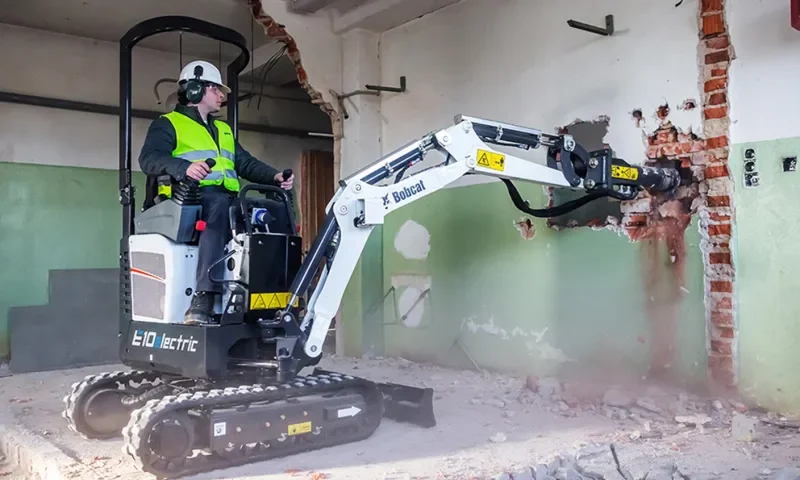

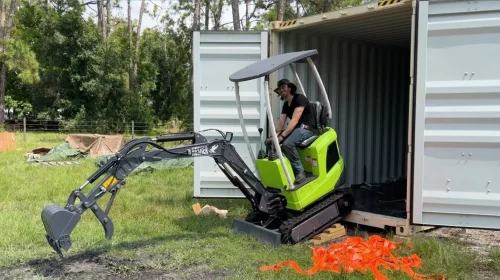
Electric mini excavators are becoming increasingly important in modern construction due to their efficiency, compact size, and ability to operate in environmentally sensitive areas. One of their most valuable applications is in utility installation and trenching work, where precision, maneuverability, and low environmental impact are essential.
When evaluating an electric mini excavator, contractors often focus on how well it performs in narrow trenches, urban environments, and underground utility projects. These machines are designed to deliver reliable digging performance while minimizing disruption to surrounding infrastructure.
Table of Contents
ToggleThe Role of Electric Mini Excavators in Utility Work
Utility installation requires accurate excavation for water pipes, gas lines, electrical cables, and communication networks. Traditional heavy machinery can be too large or disruptive for such tasks, especially in densely populated or developed areas.
Electric mini excavators offer a practical solution by combining compact design with precise digging control, making them ideal for modern utility projects.
Trenching Operations in Urban Environments
Narrow and Precise Excavation
Trenching for utilities often requires narrow and deep cuts in the ground. Electric mini excavators are designed to handle these tasks with precision, reducing unnecessary soil disturbance and improving installation accuracy.
Their compact size allows them to operate efficiently in tight urban spaces such as roadsides, sidewalks, and residential areas.
Minimal Surface Disruption
One of the key advantages in utility trenching is minimizing damage to surrounding surfaces. Electric mini excavators reduce vibration and ground impact, helping preserve existing infrastructure such as roads, pavements, and landscaping.
This is especially important in city environments where restoration costs can be high.
Advantages for Utility Installation Projects
Zero Emissions for Underground Work
Utility installation often takes place in enclosed or partially enclosed environments such as tunnels, basements, or covered trenches. Electric mini excavators produce no direct emissions, making them safer for workers in confined spaces.
This improves air quality and reduces health risks during long working hours.
Quiet Operation in Residential Areas
Utility projects frequently occur in residential neighborhoods where noise restrictions apply. Electric mini excavators operate much more quietly than diesel-powered machines, allowing work to continue with minimal disturbance to residents.
This can also help contractors comply with local noise regulations.
Efficiency in Pipeline and Cable Installation
Electric mini excavators are widely used for installing:
- Water supply pipelines
- Sewer and drainage systems
- Electrical power cables
- Telecommunications infrastructure
Their precision and control allow for accurate trenching, which is critical for proper installation and system integrity.
Maneuverability in Restricted Spaces
Utility projects often involve working in narrow corridors, busy streets, or areas with limited access. Electric mini excavators are designed to operate in these constrained environments.
Their compact frame and tight turning radius improve mobility and reduce the need for extensive site preparation.
Reduced Ground Impact and Restoration Costs
Minimizing surface damage is essential in utility work to reduce post-construction restoration costs. Electric mini excavators exert less ground pressure and create cleaner excavation lines.
This reduces the amount of repair work required after trenching is completed.
Improved Safety in Utility Operations
Safety is a major concern in utility installation due to underground hazards such as gas lines and electrical cables. Electric mini excavators offer better control and smoother operation, reducing the risk of accidental damage.
Their lower vibration levels also improve operator stability and precision.
Application in Modern Infrastructure Development
Electric mini excavators are increasingly used in large-scale infrastructure projects, including smart city development and underground utility networks.
Their efficiency and environmental benefits make them suitable for modern construction standards focused on sustainability and reduced disruption.
Operational Cost Benefits
Utility contractors benefit from lower fuel costs and reduced maintenance requirements when using electric mini excavators.
Fewer mechanical components mean less downtime and lower long-term operating expenses, improving project profitability.
Adaptability Across Different Terrain Conditions
Utility installation projects can vary widely in terrain, from soft soil to compact urban ground. Electric mini excavators are designed to adapt to these conditions with stable performance.
Their hydraulic systems ensure consistent digging power across different environments.
Future Role in Utility Construction
As urban infrastructure continues to expand, the demand for efficient and environmentally friendly excavation equipment will increase. Electric mini excavators are expected to become a standard tool in utility installation due to their precision, sustainability, and ease of operation.
Advancements in battery technology and machine automation will further enhance their capabilities in the future.
Conclusion
Electric mini excavators play a crucial role in utility installation and trenching operations by offering precision, efficiency, and environmental benefits. Their compact design, quiet operation, and zero-emission performance make them ideal for modern infrastructure projects. When selecting an electric mini excavator, understanding its advantages in utility work ensures better performance, reduced disruption, and improved project outcomes across a wide range of applications.