Underground sewer pipes are essential for transporting wastewater away from homes, businesses, industrial facilities, and public buildings. Because these pipelines are buried beneath floors, roads, and landscaped areas, identifying internal problems can be difficult without specialized inspection equipment. Blockages, cracks, root intrusion, pipe displacement, and corrosion may develop gradually and remain unnoticed until drainage performance is affected.
Accurate assessments help plumbing professionals identify these issues before recommending cleaning or repair work. Sewer inspection cameras provide a practical way to examine underground pipe conditions without immediately excavating the surrounding area.
What Is a Sewer Inspection Camera?
A sewer inspection camera is a specialized device used to examine the interior of underground drainage and sewer pipes. It generally consists of a waterproof camera head, flexible push cable or crawler system, lighting components, and a monitor that displays live footage.
The camera travels through the pipe and transmits images to the operator, allowing visible defects and obstructions to be examined. For plumbing contractors and maintenance teams, choosing a suitable Sewer Inspection Camera helps improve inspection accuracy and provides useful visual information for planning maintenance and repairs.
Depending on the system, inspection equipment may also offer recording capabilities, distance measurements, location tracking, and adjustable camera movement.
How Sewer Inspection Cameras Work
Camera-based inspections allow technicians to examine sections of a sewer network through existing access points. The process usually follows several stages.
1. Locating an Appropriate Access Point
The technician identifies a suitable entry point, such as a sewer cleanout or inspection chamber. The access location depends on the pipe layout and the section requiring assessment.
2. Preparing the Inspection Equipment
Before use, the operator checks the camera head, cable, lighting, monitor, and connections. The equipment must be suitable for the pipe diameter and operating environment.
3. Guiding the Camera Through the Pipe
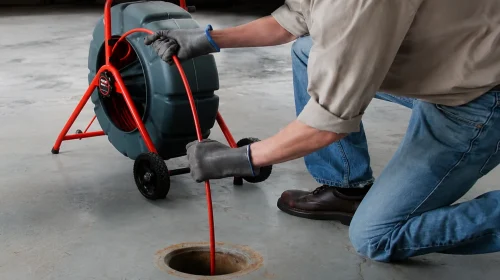
The camera is carefully advanced through the sewer line using a flexible push cable or a motorized crawler. Its movement allows the operator to examine different sections of the pipe without opening the underground network.
4. Examining Internal Pipe Conditions
Live footage helps reveal visible deposits, cracks, damaged joints, standing water, root intrusion, and foreign objects. Built-in lighting makes it possible to inspect dark sections of the drainage system.
5. Recording and Evaluating Findings
Many inspection systems allow technicians to capture images and record video. These records can be reviewed to determine the location and severity of visible problems and to support decisions about cleaning or repairs.
Common Problems Identified During Sewer Camera Inspections
Underground pipes can develop different types of defects depending on their age, material, installation quality, and surrounding conditions.
Blockages and Debris Accumulation
Grease, sludge, sediment, and solid waste can collect inside sewer lines. Camera footage helps technicians identify the location of visible obstructions and determine whether mechanical cleaning or water jetting may be appropriate.
Tree Root Intrusion
Roots naturally grow toward moisture and may enter sewer pipes through cracks or loose joints. As they develop, they can restrict wastewater flow and trap additional debris. Inspection cameras help reveal visible root growth and locate affected sections.
Cracks and Structural Damage
Underground pipes may become damaged because of aging, corrosion, ground movement, heavy surface loads, or external pressure. Camera inspections can reveal visible fractures and other signs of deterioration.
Misaligned or Displaced Pipe Joints
Pipe sections may shift over time, creating uneven connections where debris can collect. A camera allows technicians to examine joints and identify visible alignment problems.
Pipe Deformation and Collapse
Some sewer lines may become distorted or partially collapsed because of soil movement, deterioration, or excessive external loads. Inspection footage can help identify these serious conditions and guide further assessment.
Standing Water and Drainage Issues
Water remaining inside a pipe may indicate an obstruction, sagging section, or drainage gradient problem. Camera inspections help technicians investigate where water is collecting and what may be causing restricted flow.
Major Benefits of Using Sewer Inspection Cameras
Camera inspections offer several advantages for contractors, property managers, and organizations responsible for underground drainage systems.
1. More Accurate Problem Identification
Symptoms such as slow drainage and recurring backups do not always reveal the actual cause of a sewer problem. A camera provides direct visual evidence of internal pipe conditions, helping technicians distinguish between deposits, obstructions, and structural defects.
2. Reduced Unnecessary Excavation
Traditional investigation methods may involve digging to locate underground problems. Camera inspections can help identify the affected pipe section through existing access points, potentially reducing unnecessary excavation.
When structural damage requires repair, the inspection findings can help contractors determine where work is needed.
3. Better Cleaning and Repair Planning
Different sewer problems require different solutions. Grease accumulation may be removed through suitable cleaning methods, while cracked or collapsed pipes may need structural repairs.
Visual inspection helps professionals select an appropriate response rather than treating every drainage issue as a simple blockage.
4. Support for Preventive Maintenance
Regular assessments can reveal early signs of deterioration, recurring deposits, and developing obstructions. Addressing these findings early may help reduce the likelihood of major drainage failures.
5. Reliable Inspection Records
Recorded footage and inspection images provide documentation of underground pipe conditions. These records can help contractors explain their findings, prepare maintenance reports, and compare pipe conditions during future inspections.
6. Improved Customer Communication
Showing customers the actual condition of their sewer pipes makes it easier to explain maintenance recommendations. Visual evidence can help property owners understand why a cleaning procedure or repair is necessary.
Types of Sewer Inspection Camera Systems
Different camera systems are designed for different pipe sizes, inspection distances, and working environments.
Push Rod Inspection Cameras
Push rod cameras use a flexible cable that technicians manually guide through smaller sewer and drainage lines. They are commonly used for household plumbing, short pipe sections, and routine service inspections.
Self-Leveling Cameras
Self-leveling systems are designed to keep the image upright as the camera moves through the pipe. This makes footage easier to interpret and helps technicians examine visible defects more clearly.
Pan-and-Tilt Cameras
Pan-and-tilt systems allow the camera head to rotate and examine different directions. They can provide more detailed views of pipe walls, joints, and connections in suitable applications.
Crawler Inspection Cameras
Crawler systems use motorized units that travel through larger underground pipes. They are particularly useful for inspecting extensive municipal and industrial sewer networks where push rod systems may not be practical.
Important Features to Consider When Choosing a Sewer Inspection Camera
Selecting the right equipment requires matching its capabilities to the intended inspection work.
Camera Resolution and Lighting
Clear images are essential for identifying visible defects and deposits. Buyers should evaluate image quality, lighting performance, and the camera’s ability to produce usable footage in dark and wet environments.
Cable Length and Flexibility
The cable must provide enough reach for the pipe sections being inspected. Its flexibility and construction also influence how effectively the camera can navigate bends and connections.
Waterproof Protection
Sewer cameras operate in wet and potentially contaminated environments. Appropriate waterproof construction is essential, so buyers should review the manufacturer’s stated protection ratings and operating limits.
Monitor and Recording Functions
A clear display allows technicians to evaluate live footage. Recording and image-capture features make it easier to document inspection results and provide reports to customers.
Camera Head Size
The camera head should be suitable for the pipe diameter and access opening. Smaller camera heads may be more appropriate for household drains, while larger systems are designed for bigger sewer lines.
Distance and Location Tracking
Some inspection systems provide distance counters or locating equipment that helps identify where a visible problem is situated. These features can be particularly useful when planning targeted repairs or excavation.
Durability and Service Support
Professional equipment should withstand regular use. Consider cable strength, camera housing, connector quality, replacement-part availability, and access to technical support.
Where Sewer Inspection Cameras Are Used
Camera-based assessments are valuable across several sectors that depend on underground drainage infrastructure.
- Residential properties: Inspecting household sewer connections and identifying recurring drainage problems.
- Commercial buildings: Assessing pipes in offices, hotels, restaurants, and shopping centers.
- Industrial facilities: Examining suitable process drainage lines and wastewater networks.
- Municipal infrastructure: Inspecting public sewer systems and underground pipelines.
- Construction projects: Checking newly installed or repaired pipes before they are put into regular service.
- Property assessments: Evaluating underground sewer conditions before renovations or property purchases.
The appropriate inspection system depends on pipe dimensions, access conditions, inspection distance, and the level of detail required.
Best Practices for Accurate Sewer Pipe Assessments
Correct inspection procedures help technicians obtain clearer footage and make more informed decisions.
- Review available drainage plans before selecting an inspection route.
- Choose an access point that allows safe entry into the pipe.
- Check the camera, cable, lighting, and monitor before operation.
- Advance the camera carefully, especially around bends and pipe joints.
- Record important defects and their approximate locations.
- Review footage before recommending cleaning or repair work.
- Clean and store the equipment according to the manufacturer’s instructions.
If heavy debris or standing water prevents clear visibility, preliminary cleaning may be necessary before a detailed inspection can be completed.
Conclusion
Sewer inspection cameras are important tools for accurate underground pipe assessments because they allow technicians to examine internal conditions without immediately excavating the surrounding area. They help identify blockages, root intrusion, cracks, displaced joints, and other visible problems that can affect drainage performance.
Choosing a suitable camera requires attention to image quality, cable reach, waterproof protection, recording functions, and compatibility with pipe dimensions. When combined with professional cleaning methods and regular maintenance, camera inspections support better repair decisions, targeted interventions, and more dependable underground drainage networks.