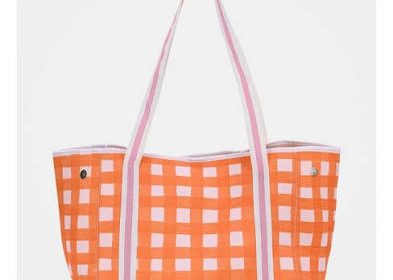
Choosing the right beach bag involves more than selecting an attractive design. The bag should provide enough space for your belongings, feel comfortable to carry, and suit the activities you enjoy. Whether you visit the beach regularly, spend time at swimming pools, or need a versatile summer tote, the right material and construction can make a noticeable difference.
A Neoprene Beach Bag is worth considering because neoprene offers flexibility, cushioning, and resistance to moisture. However, different bags have different sizes, features, and construction methods. Understanding these differences can help you select an option that matches your daily requirements.
1. Consider How You Plan to Use the Bag
Start by identifying the main purpose of your beach bag. Your intended use will influence the size, compartments, material thickness, and design you should choose.
For example, someone who visits the beach with family may need a large tote with plenty of storage. A person who visits a swimming pool after work might prefer a smaller bag that accommodates a towel, swimwear, and personal accessories.
Common uses include:
- Beach trips and seaside holidays
- Swimming pool visits
- Gym and fitness activities
- Shopping and casual outings
- Picnics and outdoor events
- Weekend travel
If you want one bag for several activities, choose a versatile design with practical storage and a style suitable for everyday use.
2. Choose the Appropriate Bag Size
Capacity is one of the most important factors when buying a beach bag. A bag that is too small may not hold your essentials, while an oversized design can become inconvenient to carry.
Consider the belongings you usually take with you. A compact bag may be sufficient for sunscreen, sunglasses, a water bottle, and a few personal items. Larger outings may require space for towels, spare clothing, snacks, and footwear.
Before purchasing, check the product’s stated height, width, and depth rather than relying on photographs alone. Also consider whether the bag’s shape allows larger items to fit comfortably.
3. Evaluate Neoprene Material Quality
Neoprene is a synthetic rubber material commonly used in products that require flexibility and cushioning. Its properties make it suitable for bags intended for outdoor and moisture-prone environments.
However, material quality can vary between products. Pay attention to:
Material Thickness
Thicker neoprene may provide more structure and cushioning, while thinner material can make a bag lighter and more flexible. The best choice depends on the bag’s intended use and design.
Surface Consistency
Look for a smooth, even surface without visible damage, irregular marks, or noticeable discoloration.
Flexibility
The material should bend comfortably without appearing excessively stiff or losing its shape during normal handling.
Overall Construction
Material quality should be considered alongside stitching, lining, reinforcement, and finishing. Good neoprene alone cannot compensate for weak construction.
4. Check Moisture Resistance
Beach and poolside environments often expose bags to splashes, damp towels, and wet swimwear. Neoprene naturally offers some resistance to moisture, making it useful for these conditions.
However, buyers should understand the difference between water resistance and waterproof protection. Water can enter through open tops, seams, and zipper areas.
If you plan to carry electronics, books, or important documents, use separate waterproof pouches. This provides additional protection when the bag is exposed to water.
5. Examine Handles and Carrying Comfort
Handles affect how comfortable a bag feels, particularly when it is filled with several items. Poorly designed handles can create pressure on the hands or shoulders and may become uncomfortable during longer walks.
Check the following details:
- Handle length and width
- Softness and grip
- Stitching around attachment points
- Reinforcement at stress areas
- Suitability for hand or shoulder carrying
If possible, consider how the bag feels when loaded with items similar to those you normally carry. This gives a better indication of its practical comfort.
6. Look for Useful Compartments and Closures
A large main compartment is helpful, but additional storage features can make a bag more convenient.
Interior pockets can hold smaller items such as keys, sunglasses, cards, and sunscreen. Removable pouches may provide separate storage for cosmetics or personal accessories.
Closures are another important consideration. Open-top designs provide quick access to belongings, while zippers or snaps can help keep items more secure.
Choose features based on your routine rather than paying extra for accessories you may rarely use.
7. Select a Suitable Design and Color
Beach bags are both practical accessories and part of personal style. Neoprene designs are available in a range of colors, patterns, and shapes.
Neutral colors can work well with different outfits, while brighter shades may create a more distinctive summer appearance. Simple designs are often suitable for everyday use, whereas patterned or decorative styles may appeal to customers looking for a more fashionable accessory.
Consider how often you will use the bag and whether you want it to match a particular wardrobe or serve as a general-purpose tote.
8. Compare Neoprene Beach Bags With Other Materials
Different materials offer different benefits. Comparing them can help you decide whether neoprene is suitable for your requirements.
| Material | Main Characteristics | Common Considerations |
|---|---|---|
| Neoprene | Flexible, cushioned, and moisture-resistant | May require material-specific care |
| Canvas | Durable woven fabric with a casual appearance | Untreated canvas can absorb moisture |
| Cotton | Soft and lightweight | May require careful washing and drying |
| Straw | Natural textured appearance | Can be less suitable for rough handling |
| Polyester | Lightweight and available in many designs | Quality varies by fabric construction |
Neoprene may be a suitable choice if flexibility and moisture resistance are priorities. Other materials may be preferable if you want a particular texture, structure, or traditional appearance.
9. Review Stitching and Overall Durability
A beach bag should withstand regular handling, carrying, and storage. Inspect the construction carefully before making a purchase.
Pay attention to side seams, bottom stitching, handle attachments, corners, and any additional compartments. Loose threads, uneven seams, or poorly attached handles may indicate inconsistent workmanship.
If you are shopping online, review close-up product photographs, specifications, customer feedback, and the seller’s return policy. These details can provide useful information when a physical inspection is not possible.
10. Consider Cleaning and Maintenance Requirements
Beach bags can collect sand, sunscreen, saltwater, and other residues during regular use. Choosing a design that is easy to maintain can help preserve its appearance.
Basic care usually includes removing loose sand, wiping the surface with a damp cloth, and allowing the bag to dry completely before storage.
Avoid harsh cleaning chemicals or excessive heat unless the manufacturer’s instructions specifically permit them. If the bag includes removable components, check whether they require separate cleaning.
11. Set a Realistic Budget
Beach bags are available at different price levels depending on material quality, size, design, brand, and additional features.
Instead of choosing the cheapest option automatically, compare the overall value. A well-constructed bag with suitable capacity and reliable stitching may offer better long-term usefulness than a less expensive product with limited functionality.
Also consider delivery charges, return policies, and any warranty or after-sales support offered by the seller.
12. Use a Simple Buying Checklist
Before making your final decision, review these essential points:
-
The bag has enough space for your regular belongings.
-
The dimensions match your storage requirements.
-
The neoprene material has a suitable thickness and feel.
-
The handles are comfortable and securely attached.
-
The seams and finishing appear consistent.
-
The compartments and closures meet your needs.
-
The design and color suit your preferences.
-
The cleaning instructions are manageable.
-
The price reflects the product’s quality and features.
This checklist can make product comparisons easier and help you avoid choosing a bag based only on appearance.
Conclusion
Choosing the right neoprene beach bag requires balancing size, material quality, comfort, design, and practical features. Start by identifying how you plan to use it, then compare capacity, moisture resistance, handle construction, compartments, and maintenance requirements.
A carefully selected bag can serve more than one purpose, making it useful for beach visits, swimming, shopping, and everyday outings. By evaluating the details before purchasing, you can find a design that fits your routine and provides practical value over time.