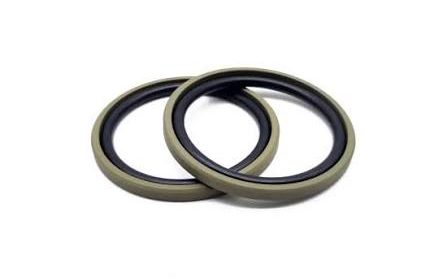
Industrial seals are essential components in machinery that relies on controlled fluid movement, pressure retention, and protection against contamination. They are commonly used in hydraulic cylinders, pneumatic systems, pumps, compressors, gearboxes, and heavy-duty equipment. Although sealing components are designed to withstand demanding operating conditions, they can deteriorate over time because of mechanical stress, unsuitable materials, incorrect installation, and environmental exposure.
Understanding the common causes of failure is important for maintaining reliable equipment. Proper selection, installation, and maintenance of DMS Seals can help reduce leakage, prevent unnecessary wear, and support consistent machinery performance. Identifying the reasons behind seal damage also allows maintenance teams to address underlying problems instead of repeatedly replacing failed components.
Why Industrial Seals Fail
A seal is expected to maintain an effective barrier between connected components, even when exposed to movement, pressure, temperature changes, and operating fluids. However, its performance depends on several factors working together.
Failure may occur when the material loses its original properties, the sealing surface becomes damaged, or operating conditions exceed the product’s design limits.
Common consequences of seal failure include:
- Hydraulic oil or lubricant leakage.
- Reduced pressure in hydraulic and pneumatic systems.
- Contamination entering sensitive mechanical assemblies.
- Increased friction and component wear.
- Reduced machinery efficiency.
- Unexpected maintenance expenses and equipment downtime.
Understanding these risks makes it easier to develop effective preventive maintenance practices.
1. Incorrect Material Selection
Choosing an unsuitable sealing material is one of the major reasons industrial seals fail prematurely. Different materials have different levels of resistance to temperature, pressure, chemicals, oils, and mechanical wear.
For example, a material suitable for petroleum-based hydraulic oil may not perform properly when exposed to certain chemicals or aggressive cleaning fluids.
An incompatible material may experience swelling, softening, hardening, or cracking. These changes can reduce its ability to maintain an effective sealing barrier.
How to prevent it:
- Identify the operating fluid before selecting a seal.
- Check chemical compatibility with the sealing material.
- Review minimum and maximum operating temperatures.
- Consider pressure and movement requirements.
- Follow the product manufacturer’s material recommendations.
Common industrial materials include nitrile rubber (NBR), polyurethane (PU), fluorocarbon rubber (FKM), silicone, EPDM, and PTFE. Each has specific strengths and limitations, so selection should be based on the actual application.
2. Excessive Operating Pressure
Seals used in hydraulic and pneumatic equipment must withstand the pressure generated by the system. When operating pressure exceeds the product’s rated limits, the sealing material may become damaged or displaced.
One common pressure-related problem is seal extrusion. This happens when the material is forced into the clearance gap between connected mechanical components.
Excessive pressure can also cause deformation, increase contact stress, and accelerate wear during repeated operating cycles.
How to prevent it:
- Confirm that the seal is rated for the required pressure.
- Monitor normal and maximum system pressure.
- Inspect pressure-relief valves and control devices.
- Investigate sudden pressure fluctuations.
- Consider backup rings where the design requires additional extrusion protection.
Pressure spikes should not be overlooked simply because the system’s average operating pressure remains within the recommended range.
3. High Operating Temperatures
Elevated temperatures can affect the physical and chemical properties of sealing materials. Prolonged heat exposure may accelerate aging, reduce flexibility, and cause some elastomers to harden.
In severe conditions, the material may become brittle and develop cracks. Heat can also affect hydraulic fluids and lubricants, potentially reducing their ability to protect moving components.
How to prevent it:
- Select materials with suitable temperature ratings.
- Monitor equipment temperature during operation.
- Maintain appropriate cooling arrangements.
- Avoid excessive friction in moving assemblies.
- Use compatible lubricants and operating fluids.
It is important to consider both continuous operating temperature and short-term temperature peaks when choosing industrial seals.
4. Improper Installation
Even a suitable, high-quality seal can fail early if it is installed incorrectly. Twisting, stretching, cutting, or compressing a seal beyond its design limits can damage it before the equipment starts operating.
Installation problems may also result from dirty grooves, sharp edges, incorrect dimensions, or unsuitable tools.
Common installation-related damage includes:
- Cuts along sealing lips.
- Twisted or uneven positioning.
- Pinched sealing surfaces.
- Permanent deformation.
- Damage caused by sharp metal edges.
How to prevent it:
- Clean the installation area before fitting.
- Verify the seal’s dimensions and orientation.
- Remove burrs and sharp edges where required.
- Use suitable installation tools.
- Apply compatible installation lubricant when recommended.
- Follow the manufacturer’s fitting instructions.
Correct installation procedures help maintain the seal’s intended shape and reduce the risk of early leakage.
5. Contamination from Dust and Foreign Particles
Industrial equipment often operates in environments containing dust, sand, metal fragments, moisture, and other contaminants. These particles can enter sealing areas and damage both the seal and surrounding mechanical surfaces.
In hydraulic systems, contamination may scratch piston rods, cylinder walls, and other precision components. Abrasive particles can also become trapped between moving surfaces, increasing friction and wear.
How to prevent it:
- Maintain suitable filtration systems.
- Keep equipment clean during maintenance.
- Use appropriate wiper seals to remove external contaminants.
- Prevent dirt from entering open assemblies.
- Inspect sealing areas for particles and surface damage.
Contamination control is especially important in construction, mining, agriculture, and outdoor industrial applications.
6. Poor Surface Finish and Damaged Contact Areas
Seals depend on the condition of the surfaces they contact. Rough, scratched, corroded, or incorrectly finished shafts and cylinder walls can damage sealing edges during operation.
An excessively rough surface may accelerate abrasion, while an unsuitable surface finish can interfere with lubrication and sealing performance.
How to prevent it:
- Inspect shafts and rods during scheduled maintenance.
- Check cylinder walls and sealing grooves for damage.
- Follow recommended surface-finish specifications.
- Repair or replace damaged mechanical components when necessary.
- Use suitable alignment and machining practices.
Replacing a damaged seal without correcting the contact surface may result in another failure within a short period.
7. Excessive Friction and Inadequate Lubrication
Dynamic seals operate against moving surfaces and experience friction during normal operation. However, excessive friction can generate heat and accelerate material deterioration.
Insufficient lubrication increases direct contact between surfaces. This may lead to abrasion, wear, and damage to sealing lips.
Friction problems can also occur when a seal is incorrectly sized or when the equipment operates at an unsuitable speed.
How to prevent it:
- Maintain recommended lubrication levels.
- Use compatible operating fluids.
- Check movement speed and operating conditions.
- Inspect contact surfaces for excessive wear.
- Select sealing designs appropriate for the movement type.
Maintaining suitable lubrication is important for hydraulic cylinders, rotary shafts, pumps, and other dynamic applications.
8. Incorrect Seal Dimensions
A seal must fit its installation space according to the specified dimensions and tolerances. An incorrectly sized product may not create the required contact pressure or may experience excessive compression.
An undersized seal can result in insufficient sealing contact, while an oversized seal may be difficult to install and could become damaged during operation.
How to prevent it:
- Measure the installation groove accurately.
- Confirm inner and outer diameters.
- Check cross-sectional dimensions.
- Review manufacturer tolerances.
- Verify compatibility with the original equipment specifications.
Never select a replacement solely because it looks similar to the damaged component.
9. Chemical Exposure and Material Degradation
Industrial seals may come into contact with hydraulic oils, fuels, solvents, cleaning chemicals, coolants, and other substances.
Some materials are resistant to specific chemicals but may deteriorate when exposed to others. Incompatible exposure can cause swelling, softening, discoloration, cracking, or loss of mechanical strength.
How to prevent it:
- Identify all fluids that may contact the seal.
- Review the material’s chemical resistance.
- Avoid unapproved cleaning chemicals.
- Follow recommended storage and handling procedures.
- Replace components that show signs of chemical deterioration.
Chemical compatibility should be considered during initial product selection, especially in manufacturing and chemical-processing environments.
10. Misalignment of Mechanical Components
Misalignment occurs when connected components do not maintain their intended positions during operation. This may create uneven contact pressure across a sealing surface.
For example, a misaligned piston rod may cause one side of a rod seal to experience greater friction and wear than the other.
Over time, uneven wear can lead to leakage and additional mechanical damage.
How to prevent it:
- Check shaft and rod alignment.
- Inspect equipment supports and mounting points.
- Monitor vibration during operation.
- Examine seals for uneven wear patterns.
- Correct mechanical alignment problems before fitting replacement seals.
Proper alignment supports smoother movement and more consistent contact across sealing surfaces.
11. Incorrect Storage and Handling
Seal deterioration can begin before installation if replacement components are stored improperly.
Direct sunlight, excessive heat, ozone, moisture, and certain chemicals can affect the properties of rubber and polymer materials.
Improper handling may also cause cuts, deformation, or contamination.
How to prevent it:
- Store seals in a clean, dry environment.
- Keep products away from direct sunlight and heat sources.
- Follow the manufacturer’s storage recommendations.
- Retain original packaging where practical.
- Avoid bending or compressing flexible components unnecessarily.
Good storage practices help preserve material properties until the components are needed.
Warning Signs That Indicate Seal Failure
Recognizing early symptoms can help prevent small sealing problems from becoming major equipment issues.
| Warning sign | Possible cause |
|---|---|
| Fluid leakage | Worn seal, incorrect fit, or damaged contact surface |
| Cracks and brittleness | Aging, excessive heat, or environmental exposure |
| Swelling or softening | Chemical incompatibility |
| Extruded edges | Excessive pressure or unsuitable clearance |
| Uneven wear | Misalignment or inconsistent contact |
| Reduced system pressure | Internal bypass or external leakage |
| Increased friction | Poor lubrication or unsuitable sealing conditions |
| Irregular movement | Seal damage or other mechanical problems |
These symptoms should be investigated carefully because similar problems can also result from damaged equipment components or incorrect operating conditions.
How to Develop an Effective Seal Failure Prevention Plan
Preventing seal failure requires a consistent maintenance strategy rather than relying only on replacement after leakage occurs.
A practical prevention plan should include the following activities:
Schedule Regular Inspections
Inspect accessible sealing components at intervals appropriate for the equipment’s workload and operating environment. High-use machinery may require more frequent checks.
Monitor Operating Conditions
Record pressure, temperature, movement speed, and other important operating parameters. Unusual changes may indicate developing problems.
Maintain Clean Operating Systems
Use suitable filtration and follow proper cleaning procedures to reduce contamination.
Keep Replacement Parts Available
Maintain an appropriate inventory of frequently used sealing components. Confirm dimensions and specifications before ordering replacements.
Document Failure Causes
Record the condition of removed seals and the circumstances surrounding each failure. This information can help identify recurring issues and guide improvements.
Train Maintenance Personnel
Ensure technicians understand correct installation procedures, material compatibility, inspection methods, and equipment safety requirements.
Why Root-Cause Analysis Matters
Replacing a damaged seal may restore equipment operation temporarily, but repeated failures often indicate an unresolved problem.
For example, if the same hydraulic rod seal repeatedly develops cuts, the issue may involve a damaged rod surface, contamination, or incorrect installation. If seals repeatedly deform, excessive pressure or unsuitable material selection may be responsible.
Root-cause analysis helps maintenance teams identify and correct the actual source of failure.
This approach can reduce repeat repairs, improve equipment reliability, and make maintenance budgets more predictable.
Conclusion
Common causes of DMS seal failure include incorrect material selection, excessive pressure, high temperatures, contamination, improper installation, poor surface conditions, inadequate lubrication, and mechanical misalignment. These factors can affect sealing performance and lead to leakage, increased wear, and unexpected equipment downtime.
Preventing these problems requires selecting compatible products, following installation instructions, maintaining clean operating conditions, and monitoring pressure and temperature. Regular inspections and failure analysis also help identify problems before they cause extensive damage. With a consistent preventive maintenance approach, industrial operators can protect important machinery components and improve long-term equipment reliability.