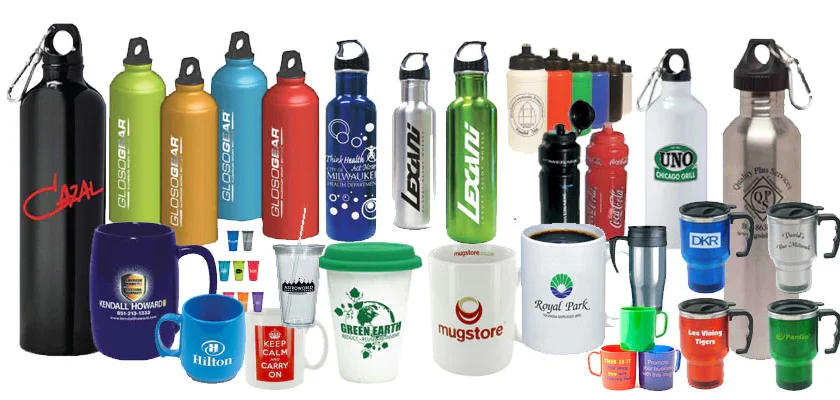
The drinkware manufacturing industry is continuously evolving as businesses demand products with better quality, attractive designs, consistent performance, and competitive pricing. Producing bottles, tumblers, mugs, and reusable cups at scale requires careful coordination of materials, machinery, labor, and quality control. Advanced technology is helping manufacturers improve these processes by increasing production accuracy, reducing material waste, and making manufacturing operations more efficient.
Modern equipment and digital production systems allow an experienced Drinkware Manufacturer to manage different stages of production with greater control. Technologies such as automated machinery, computer-aided design, robotics, and real-time monitoring are changing how drinkware products are developed and manufactured.
Understanding these technological improvements helps businesses recognize how modern manufacturing systems contribute to product consistency, production capacity, and supply chain reliability.
1. Automation in Drinkware Production
Automation is one of the most significant developments in modern manufacturing. Automated equipment can perform repetitive production tasks with greater consistency and speed than manual processes.
In drinkware manufacturing, automation may be used for cutting, forming, molding, welding, polishing, coating, and packaging.
Some important advantages include:
- Faster production cycles
- More consistent product dimensions
- Reduced manual handling
- Lower risk of certain production errors
- Improved use of manufacturing resources
- Better control over repetitive operations
For example, automated forming equipment can help manufacturers produce metal drinkware components with consistent shapes and dimensions. This is particularly useful when producing large quantities of bottles or tumblers.
However, automation still requires skilled operators, equipment maintenance, and appropriate process monitoring to achieve reliable results.
2. Computer-Aided Design for Better Product Development
Computer-aided design (CAD) software helps manufacturers create detailed digital models before physical production begins.
Design teams can use CAD tools to develop product dimensions, evaluate component arrangements, and make adjustments before investing in prototypes or production tooling.
For drinkware projects, CAD can support the development of:
- Bottle shapes and body structures
- Tumbler dimensions
- Lid and closure systems
- Handle designs
- Insulation configurations
- Decorative surface features
Digital design also makes it easier to share technical drawings with customers and production teams. This can reduce misunderstandings and help ensure that everyone works from the same approved specifications.
3. 3D Modeling and Rapid Prototyping
Rapid prototyping allows manufacturers to evaluate product concepts before moving into full-scale production.
Using 3D printing and other prototyping technologies, designers can create physical models of selected components and examine their shape, dimensions, and usability.
This process is particularly helpful for customized drinkware with unusual shapes, specialized lids, or new accessory designs.
Prototypes can be used to assess:
- Overall product appearance
- Grip comfort and handling
- Component compatibility
- Opening and closing mechanisms
- Packaging dimensions
- Potential design weaknesses
Not every prototype material will have the same properties as the final production material. Therefore, functional and material-specific testing may still be necessary before approving a design.
4. Advanced Metal Forming Technology
Stainless steel is commonly used to produce reusable bottles, insulated tumblers, and travel mugs. Manufacturing these products requires accurate metal forming and controlled processing.
Modern forming equipment can improve consistency when shaping metal sheets or tubes into drinkware components.
Depending on the product design, production may involve deep drawing, spinning, stamping, cutting, and other forming operations.
Advanced machinery can help manufacturers:
- Maintain accurate dimensions
- Reduce material deformation
- Improve production repeatability
- Minimize unnecessary material waste
- Produce complex shapes more efficiently
Proper machine settings and material selection remain essential because forming quality can influence the strength, appearance, and performance of the finished product.
5. Automated Welding and Joining Processes
Some stainless steel drinkware products require welding or other joining operations during production.
Automated welding systems can improve process consistency by controlling factors such as movement, heat input, and welding speed.
This is particularly useful for products requiring precise joints or consistent construction across large production batches.
Improved welding processes may help reduce defects such as uneven seams, weak joints, and excessive finishing requirements.
Manufacturers must still conduct suitable inspections and testing to verify joint quality. Equipment automation alone cannot guarantee that every finished product meets the required standards.
6. Precision Molding for Plastic Drinkware
Plastic bottles, cups, lids, and accessories often rely on molding technologies to create specific shapes and dimensions.
Injection molding is widely used for producing plastic components with repeatable designs. Blow molding may also be used for certain hollow containers.
Modern molding equipment provides greater control over production parameters, including temperature, pressure, cooling, and cycle timing.
These improvements can help manufacturers achieve:
- Consistent component dimensions
- Improved surface quality
- More predictable production cycles
- Reduced material waste
- Better compatibility between assembled parts
The choice of molding process depends on the material, product structure, production volume, and required performance.
7. Robotics in Material Handling and Assembly
Robotic systems are increasingly used in manufacturing environments to perform repetitive tasks and move products between production stages.
In drinkware production, robots may assist with loading materials, transferring components, positioning products, and handling certain assembly operations.
Robotic automation can be particularly useful when manufacturers need to process large quantities of similar products.
Potential benefits include reduced manual handling, more consistent task execution, and improved workplace efficiency.
Robotics can also help manufacturers organize production areas more effectively by connecting different machines and reducing unnecessary movement between operations.
8. Digital Quality Control and Inspection Systems
Quality control is essential in drinkware manufacturing because products must meet expectations for safety, appearance, durability, and functionality.
Digital inspection technologies can help manufacturers identify defects more efficiently than relying entirely on manual visual checks.
Depending on the product and production process, these technologies may include:
- Digital measurement instruments
- Machine vision inspection
- Automated surface defect detection
- Electronic testing equipment
- Digital production records
- Statistical quality monitoring
Machine vision systems, for example, can examine product surfaces for scratches, discoloration, or visible inconsistencies.
Automated inspection does not eliminate the need for trained quality personnel. Human evaluation and specialized product testing remain important for assessing issues that require technical judgment.
9. Real-Time Production Monitoring
Digital monitoring systems allow manufacturers to collect information about production equipment and operational performance.
Sensors installed on machines can monitor factors such as temperature, pressure, operating speed, vibration, and energy consumption.
Production teams can use this information to identify unusual conditions before they develop into major problems.
Real-time monitoring may help manufacturers:
- Detect equipment performance changes.
- Identify production interruptions.
- Monitor operating conditions.
- Track manufacturing output.
- Improve production planning.
- Investigate recurring process defects.
These systems support better operational visibility and help managers make decisions based on actual production information.
10. Artificial Intelligence in Manufacturing Operations
Artificial intelligence (AI) is creating new opportunities for analyzing production data and improving manufacturing decisions.
In drinkware manufacturing, AI-based systems may support defect recognition, equipment monitoring, production forecasting, and process optimization.
For example, an image recognition system trained to identify surface defects may help quality teams detect recurring problems more consistently.
AI can also analyze historical machine data to identify patterns associated with equipment failures or production inefficiencies.
However, the usefulness of these systems depends on data quality, appropriate implementation, and human oversight.
AI should support manufacturing expertise rather than replace the technical knowledge required to evaluate product safety and quality.
11. Predictive Maintenance for Manufacturing Equipment
Unexpected equipment breakdowns can interrupt production schedules and increase operating costs.
Predictive maintenance uses equipment data to identify signs of possible mechanical problems before a machine fails.
Sensors and monitoring software may track vibration, temperature, operating cycles, and other performance indicators.
Manufacturers can use this information to plan maintenance activities according to actual equipment conditions.
The main benefits include:
- Reduced unexpected downtime
- Better equipment reliability
- More efficient maintenance planning
- Improved production continuity
- Potentially lower repair costs
For businesses placing large orders, reliable equipment maintenance can contribute to more predictable manufacturing schedules.
12. Energy-Efficient Manufacturing Technology
Energy consumption is an important part of manufacturing costs and environmental performance.
Modern equipment may help manufacturers reduce energy use through improved motors, optimized heating systems, efficient compressors, and better process controls.
Energy monitoring systems can also identify production stages that consume unusually high amounts of electricity.
Manufacturers may improve efficiency by:
- Using energy-efficient machinery
- Optimizing equipment operating schedules
- Reducing unnecessary idle time
- Maintaining motors and heating systems
- Monitoring energy consumption
- Improving production layouts
The actual savings depend on the factory’s equipment, operating conditions, and production volume.
Energy-efficient manufacturing can support cost management while contributing to broader resource-efficiency goals.
13. Digital Inventory and Material Management
Drinkware manufacturing depends on the availability of raw materials and components such as stainless steel, plastic resins, silicone seals, lids, coatings, and packaging supplies.
Poor inventory management can cause production delays, excessive storage costs, and material shortages.
Digital inventory management systems help manufacturers track stock levels, purchasing requirements, material usage, and supplier deliveries.
These systems can support more accurate production planning by providing information about available resources.
For example, when a manufacturer receives a large order for stainless steel bottles, inventory software can help determine whether sufficient material is available or whether additional procurement is required.
Better inventory visibility helps reduce unnecessary purchasing and supports smoother production operations.
14. Enterprise Resource Planning Systems
Enterprise Resource Planning (ERP) systems connect different business functions through a shared digital platform.
Manufacturers may use ERP software to coordinate purchasing, inventory, production scheduling, order processing, accounting, and shipment preparation.
Instead of managing information through separate spreadsheets or disconnected systems, teams can access more consistent operational records.
For drinkware manufacturers, ERP systems may help with:
- Monitoring customer orders
- Planning production schedules
- Tracking raw materials
- Managing supplier information
- Recording manufacturing costs
- Coordinating shipment preparation
When properly implemented, these systems improve communication between departments and reduce administrative inefficiencies.
15. Automated Packaging and Labeling
Packaging is an important final stage of drinkware production. Products must be protected from scratches, dents, breakage, and other damage during storage and transportation.
Automated packaging equipment can help manufacturers complete repetitive packing tasks more quickly and consistently.
Depending on the production setup, automated systems may support:
- Product positioning
- Protective wrapping
- Carton filling
- Label application
- Barcode printing
- Carton sealing
Automation can improve packing speed and reduce handling errors, particularly when processing large production quantities.
Manufacturers must still verify that packaging materials provide sufficient protection for each product type.
16. Technology for Customized Drinkware Production
Customization has become an important requirement for retailers, corporate buyers, promotional merchandise companies, and private-label brands.
Digital printing, laser engraving, and computer-controlled finishing equipment allow manufacturers to apply branding with greater precision.
These technologies can support:
- Detailed logo applications
- Custom artwork
- Consistent branding placement
- Multiple color options
- Personalized product designs
- Customized surface finishes
Digital production tools can also make it easier to manage different designs within a manufacturing project.
Before mass production, businesses should approve artwork proofs and physical samples to confirm the appearance and placement of customized elements.
17. How Technology Helps Reduce Manufacturing Waste
Advanced manufacturing systems can improve resource efficiency by reducing production errors, optimizing material usage, and limiting unnecessary rework.
For example, accurate cutting equipment can reduce excess material, while digital monitoring can help identify process conditions that cause recurring defects.
Manufacturers can also use production data to determine where waste occurs and which improvements may have the greatest impact.
Waste-reduction strategies may include:
- Optimized material layouts
- Accurate cutting and forming
- Better production scheduling
- Reuse of suitable production offcuts
- Early defect identification
- Improved packaging efficiency
These methods can help manufacturers control costs while making better use of raw materials.
18. Challenges of Adopting Advanced Manufacturing Technology
Although advanced technology offers many benefits, adopting it can involve significant investment and operational changes.
Manufacturers may need to purchase new machinery, upgrade software, train employees, and modify existing production layouts.
Other challenges include:
- High initial equipment costs
- Software integration difficulties
- Maintenance requirements
- Cybersecurity risks
- Shortages of specialized technical skills
- Compatibility with existing machinery
Technology should therefore be selected according to actual production needs. A manufacturer does not necessarily need the most complex equipment to produce high-quality drinkware.
The most effective approach is to invest in systems that improve measurable areas such as production accuracy, quality, safety, and operational efficiency.
19. The Future of Technology in Drinkware Manufacturing
Technology will continue to influence how drinkware products are designed, produced, inspected, and distributed.
Future developments may include more connected production equipment, improved machine vision, advanced material processing, digital product development, and greater use of data-driven manufacturing systems.
Manufacturers may also combine automation with sustainability initiatives to reduce energy consumption, material waste, and unnecessary production steps.
As customer expectations evolve, companies that adopt suitable technologies may be better positioned to offer customized products, maintain consistent quality, and respond to changing order requirements.
Conclusion
Advanced technology is improving drinkware manufacturing efficiency through automation, computer-aided design, rapid prototyping, precision molding, robotics, digital inspection, and intelligent production monitoring. These developments help manufacturers improve production accuracy, reduce waste, manage resources, and maintain consistent product standards.
However, technology delivers the greatest value when combined with skilled employees, effective quality control, and well-planned production processes. Businesses sourcing drinkware should evaluate a manufacturer’s actual equipment, technical capabilities, and inspection procedures rather than relying only on general claims about automation.
By adopting appropriate manufacturing technologies, the drinkware industry can improve operational performance while developing reliable products that meet changing market and consumer requirements.