Diamond ring designs continue to evolve as buyers look for jewelry that reflects their personality, lifestyle, and individual preferences. In 2026, many engagement ring and fine jewelry trends combine timeless elegance with modern details, including distinctive diamond shapes, creative settings, mixed metals, and personalized elements. Customization makes it easier to bring these ideas together in a ring that feels meaningful rather than following a standard design.
A Custom Lab Grown Diamond Ring gives buyers the flexibility to select a diamond, choose a setting, and refine small details according to their taste. Since lab grown diamonds have the same essential physical and optical properties as natural diamonds, they can be used in a wide range of traditional and contemporary designs. Understanding current styles can help buyers find inspiration while creating a ring that remains attractive beyond a single fashion season.
1. Oval-Cut Diamonds for an Elegant Appearance
Oval diamonds remain a popular choice for buyers who want a balance between classic and modern styling. Their elongated shape creates a graceful appearance and can make the center stone look larger than some other shapes of the same carat weight.
Oval diamonds work particularly well in solitaire, halo, and pavé settings. A simple four- or six-prong setting allows the stone to remain the main visual feature, while a delicate band adds a refined finish.
When choosing an oval diamond, buyers should examine its proportions and bow-tie effect. Comparing different stones in person or through clear videos can help identify one with attractive light performance.
2. Elongated Cushion-Cut Designs
Cushion-cut diamonds combine softened corners with a square or rectangular outline. In 2026, elongated cushion shapes offer an appealing option for people who appreciate vintage-inspired jewelry with a more contemporary profile.
These diamonds can be paired with:
- Plain yellow or white gold bands.
- Hidden halo details.
- Four-corner prong settings.
- Three-stone arrangements.
- Subtle pavé accents.
The elongated shape can create a refined look without moving too far away from the traditional cushion-cut appearance.
3. East-West Diamond Settings
Traditional engagement rings often position elongated diamonds vertically along the finger. East-west settings offer a different approach by placing the center stone horizontally across the band.
This design works well with oval, emerald, marquise, and elongated cushion diamonds. It creates a distinctive appearance while keeping the overall design relatively simple.
East-west settings are particularly suitable for buyers who want a modern ring that does not rely on elaborate decoration. The setting should be designed carefully to protect the diamond and maintain comfortable everyday wear.
4. Minimalist Solitaire Rings
Minimalist designs continue to attract buyers who prefer clean lines and understated elegance. A solitaire ring places attention on one center diamond, with little or no additional decoration.
Popular variations include:
- Thin plain metal bands.
- Low-profile settings.
- Delicate claw prongs.
- Bezel-set center stones.
- Slightly tapered bands.
Minimalist rings can work with round, oval, pear, emerald, and other diamond shapes. Their simplicity also makes them versatile for different occasions and personal styles.
5. Hidden Halo Settings
A hidden halo features a circle of small diamonds beneath the center stone rather than surrounding it from the top. This creates additional sparkle when the ring is viewed from the side while preserving the appearance of a traditional solitaire from above.
Hidden halos can be incorporated into several ring styles, including oval, round, cushion, and pear-shaped designs.
This setting is a useful option for buyers who want decorative detail without making the ring look overly elaborate. The small accent diamonds should be securely set to support long-term wear.
6. Three-Stone Rings with Personal Meaning
Three-stone rings remain meaningful because the stones can represent the past, present, and future of a relationship. The design also offers opportunities to combine different diamond shapes.
Some popular combinations include:
- Oval center diamond with pear-shaped side stones.
- Round center diamond with tapered baguettes.
- Emerald-cut center stone with trapezoid accents.
- Cushion center diamond with smaller round diamonds.
Buyers can select lab grown diamonds for the center and side stones to create a coordinated appearance. The proportions of the three stones should be balanced so that the center diamond remains the main focus.
7. Mixed-Metal Ring Designs
Using two different metals in one ring can create contrast and add visual interest. For example, a yellow gold band can be paired with a white gold setting around the center diamond.
Other combinations include rose gold with white gold or yellow gold with platinum.
Mixed-metal designs allow buyers to combine different jewelry preferences in one piece. They can also coordinate with other accessories made from different metals.
Before selecting a combination, consider how the colors will work together and whether the different metals require specific maintenance or repair arrangements.
8. Bezel Settings for Modern Style and Protection
Bezel settings hold a diamond with a surrounding metal rim rather than individual prongs. This creates a smooth outline and a contemporary appearance.
The design can also help protect the diamond’s edges from everyday contact, making it worth considering for people with active routines.
Bezel settings are available for round, oval, emerald, and other diamond shapes. Full bezels create a more enclosed appearance, while partial bezels leave parts of the diamond visible.
The metal rim should be designed precisely to hold the diamond securely without unnecessarily covering its visible surface.
9. Marquise and Pear-Shaped Diamond Rings
Distinctive diamond shapes are another way to personalize a ring. Marquise and pear-shaped diamonds offer elongated profiles that can create a dramatic yet elegant look.
Marquise diamonds: Their pointed ends and curved sides create a striking outline. V-shaped prongs or protective end settings can help protect the tips.
Pear-shaped diamonds: Their teardrop silhouette offers a graceful appearance and can be positioned with the point facing toward or away from the fingertip.
Both shapes work with solitaire, halo, and three-stone settings. Buyers should pay attention to symmetry, proportions, and protective setting details when selecting these diamonds.
10. Vintage-Inspired Engagement Rings
Vintage-inspired rings combine decorative craftsmanship with traditional design elements. Popular details include milgrain edges, engraved bands, filigree patterns, and intricate gallery work beneath the center diamond.
These features can give a ring an antique appearance while allowing the use of modern lab grown diamonds.
A vintage-inspired ring does not have to reproduce a historical design exactly. Buyers can combine traditional details with contemporary proportions to create something distinctive.
Because intricate settings may collect dirt more easily, regular cleaning and professional inspections are important.
11. Colored Gemstone Accents
Although a white diamond often remains the center of attention, colored gemstones can introduce contrast and personality.
Popular accent choices include sapphires, emeralds, rubies, and other colored stones. They can be placed along the band, used as side stones, or incorporated into a three-stone arrangement.
For example, a lab grown diamond center stone paired with blue sapphire accents can create a balanced combination of brilliance and color.
Buyers should consider gemstone hardness, setting security, and maintenance requirements before choosing accent stones for a ring intended for daily wear.
12. Twisted and Split-Shank Bands
Band design can significantly change the overall appearance of an engagement ring. Twisted and split-shank styles add movement and dimension without necessarily increasing the size of the center diamond.
A twisted band features two or more strands that cross or curve around each other. A split-shank band separates as it approaches the center stone, creating an open space around the setting.
These designs can be combined with pavé diamonds or kept simple with polished metal. The band should have enough structural strength to support the center setting and remain comfortable on the finger.
13. Pavé and Micro-Pavé Diamond Bands
Pavé settings use small diamonds placed closely together along the band. Micro-pavé designs use particularly small accent stones to create a delicate surface of sparkle.
These settings can complement a large center diamond without changing the overall silhouette of the ring.
Common variations include:
- Half-pavé bands with diamonds along the upper section.
- Full-pavé bands with stones around most of the ring.
- Shared-prong settings that create a continuous appearance.
- Micro-pavé details around a center setting.
While pavé bands offer additional brilliance, they require careful craftsmanship. Small stones and their settings should be inspected periodically to identify any signs of loosening.
14. Low-Profile Rings for Everyday Comfort
Some buyers prefer rings that sit closer to the finger rather than having a tall center setting. Low-profile designs can reduce the chance of catching on clothing, hair, or other objects.
A low-profile setting may use a bezel, compact prongs, or a carefully designed basket beneath the diamond.
This approach is particularly useful for people who work with their hands or prefer practical jewelry. However, the final height depends on the diamond’s dimensions and the setting design, so buyers should discuss comfort and protection with the manufacturer.
15. Personalized Engravings and Hidden Details
Personalization is one of the most appealing parts of custom jewelry. Small design features can give a ring emotional meaning without changing its overall appearance.
Ideas include:
- Initials or a special date engraved inside the band.
- A short personal message.
- A hidden gemstone beneath the center setting.
- A meaningful symbol incorporated into the gallery.
- A distinctive pattern along the inner or outer band.
These details are often subtle, but they can make the ring feel more personal than a standard design.
16. Nature-Inspired Ring Designs
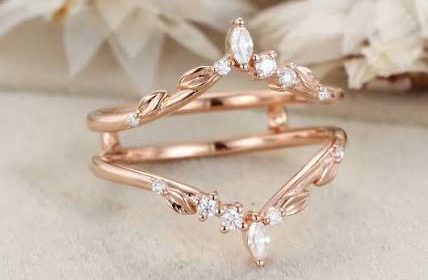
Nature-inspired jewelry uses shapes and patterns drawn from flowers, leaves, vines, and organic forms. These elements can be incorporated into the band, prongs, or decorative details around the center diamond.
For example, leaf-shaped accents can extend from the band toward the center setting, while floral details can create a decorative gallery.
Nature-inspired designs are suitable for buyers who prefer artistic jewelry with a softer appearance. The design should still prioritize secure stone placement and practical maintenance.
17. How to Combine Trends Without Overdesigning a Ring
A custom ring does not need to include every popular trend. Combining too many design features can make the finished piece visually crowded or difficult to maintain.
A more balanced approach is to select one main feature and support it with a few complementary details.
For example:
| Main Design Feature | Complementary Detail |
|---|---|
| Oval center diamond | Hidden halo |
| Emerald-cut diamond | Minimalist white gold band |
| East-west setting | Plain polished band |
| Vintage-inspired center | Engraved details |
| Bezel setting | Mixed-metal design |
| Three-stone arrangement | Matching diamond shapes |
Consider how the ring will look from the top, side, and front. It should also feel comfortable and suit the wearer’s daily activities.
18. What to Consider Before Choosing a Custom Ring Design
Before finalizing a design, buyers should review several practical details.
Diamond characteristics: Compare cut quality, color, clarity, carat weight, and proportions. Remember that diamond shape and cut quality are different considerations.
Metal selection: Choose a metal based on appearance, durability, budget, and maintenance preferences.
Setting security: Make sure the setting is appropriate for the selected diamond shape and intended use.
Finger proportions: Band width and center-stone dimensions can affect how a ring looks on the hand.
Daily lifestyle: Consider whether a high setting, delicate band, or intricate design will suit regular wear.
Long-term maintenance: Ask about cleaning, resizing, repairs, and periodic setting inspections.
A well-planned design should balance appearance, comfort, craftsmanship, and durability.
Conclusion
Popular custom lab grown diamond ring designs in 2026 bring together modern styling and timeless jewelry details. Oval and elongated cushion diamonds, east-west settings, hidden halos, mixed metals, bezel settings, and personalized engravings offer many ways to create a distinctive ring.
The best design is not necessarily the one that includes the most trends. It is the one that reflects personal taste, suits everyday needs, and uses suitable materials and secure craftsmanship. By exploring different diamond shapes, settings, and band styles, buyers can create a meaningful piece of jewelry that remains appealing well beyond 2026.