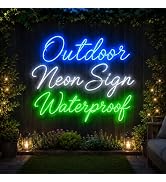
In today’s competitive business environment, effective visual communication plays an important role in attracting customers and building brand recognition. LED signs help businesses display their names, promote products, highlight special offers, and create attractive commercial environments. From retail stores and restaurants to corporate offices and shopping centers, quality illuminated signage can make a business more noticeable and memorable.
However, achieving these benefits requires more than choosing an attractive design. Businesses need a dependable LED Sign Supplier that understands their advertising goals and can provide suitable products, reliable components, and consistent service. Working with the right supplier helps ensure that signage meets quality expectations, performs effectively, and supports long-term business needs.
1. Consistent Product Quality and Reliable Performance
Product quality is one of the most important reasons to work with a reliable LED sign supplier. Commercial signs are often used for extended periods, so they need suitable materials and properly assembled components.
A professional supplier should provide clear information about the materials used in its products, including LED modules, acrylic panels, metal frames, wiring, and power supplies.
Consistent product quality can help businesses avoid common issues such as uneven illumination, loose connections, poor finishing, and premature component failure.
Before placing an order, ask about manufacturing standards, component specifications, and quality-control procedures. These details help you understand what to expect from the finished product.
2. Better Brand Visibility and Recognition
LED signage can make a business easier to identify, particularly in busy commercial areas where customers encounter many competing advertisements.
An illuminated storefront sign can help customers locate a business, while a branded display inside a store can reinforce its visual identity. Consistent signage across multiple locations can also create a more recognizable brand image.
A reliable supplier can help businesses select appropriate colors, lettering styles, dimensions, and lighting arrangements. These choices should complement the company’s branding while keeping the message clear and easy to read.
3. Access to Custom Design Solutions
Different businesses have different visual communication requirements. A restaurant may need an illuminated logo or decorative wall display, while a retail store may require promotional signage and product highlights.
A dependable supplier should offer customization options that accommodate different applications.
Common options include:
- Custom business names and logos
- Personalized lettering and typography
- Different colors and lighting effects
- Various sign shapes and dimensions
- Acrylic backing and mounting choices
- Indoor and outdoor configurations
Design flexibility allows businesses to create signage that reflects their identity rather than relying entirely on standard designs.
4. Energy Efficiency and Lower Operating Costs
Energy efficiency is another important benefit of modern LED signage. LED technology generally consumes less electricity than many traditional illuminated sign technologies while providing effective brightness.
For businesses that operate illuminated displays for several hours each day, energy consumption can influence long-term operating expenses.
A knowledgeable supplier can explain the power requirements of different products and help customers select suitable lighting components. It is useful to compare wattage, operating voltage, brightness, and available dimming features before making a decision.
Actual energy savings depend on the sign’s size, lighting configuration, operating schedule, and the technology being replaced.
5. Access to Technical Knowledge and Professional Guidance
Selecting commercial signage often involves technical decisions that may not be obvious to first-time buyers. Customers may need assistance with dimensions, brightness, materials, electrical requirements, and installation arrangements.
An experienced supplier can explain available options and help identify products that suit the intended application.
For example, a storefront sign exposed to direct sunlight may need different specifications from a decorative display installed inside a restaurant. Similarly, a large outdoor sign may require stronger mounting arrangements and additional environmental protection.
Professional guidance helps businesses make informed decisions before production begins.
6. Improved Manufacturing and Quality Control
Reliable suppliers typically follow organized production procedures to maintain consistency and reduce manufacturing errors.
A custom LED sign may go through several stages, including artwork preparation, material selection, cutting, component assembly, electrical installation, finishing, and final testing.
Quality checks should confirm that the completed product matches the approved design and that its lighting and electrical components function correctly.
For businesses ordering multiple signs, consistent production standards are especially important. They help maintain similar appearance, dimensions, and lighting characteristics across different units.
7. Greater Flexibility for Different Business Applications
A reliable supplier should understand that LED signs serve more than one commercial purpose. Different industries need different types of displays to communicate with their audiences.
Examples include:
Retail stores: Illuminated storefront signs, promotional displays, and branded wall signs can help attract shoppers.
Restaurants and cafés: LED signs can highlight business names, menu information, special offers, and decorative themes.
Hotels and entertainment venues: Illuminated logos, reception signs, and directional displays can improve visual presentation.
Corporate offices: Professional signage can support company branding and help visitors navigate buildings.
Shopping centers: Directional signs and promotional displays can improve visibility in busy shared spaces.
A supplier with experience across different applications may be better equipped to recommend suitable solutions.
8. Reliable Delivery and Order Management
Commercial signage is often connected to important business deadlines. A delayed order may affect a store opening, promotional campaign, exhibition, or renovation project.
A dependable supplier should provide realistic production schedules and clear delivery information. Customers should know when the design will be approved, when manufacturing is expected to finish, and how shipping will be arranged.
Packaging quality is equally important. Signs containing acrylic panels, electrical components, or detailed lettering need suitable protection during transportation.
Before ordering, confirm estimated delivery times, tracking arrangements, shipping charges, and procedures for reporting damaged products.
9. Warranty Coverage and After-Sales Assistance
A quality sign should be supported by clear warranty terms and accessible customer service. Even well-manufactured products may occasionally require technical assistance or replacement components.
Businesses should ask suppliers about warranty duration, covered parts, exclusions, and the process for submitting a claim.
After-sales support may also include guidance on installation, cleaning, troubleshooting, and component replacement.
Clear support arrangements are particularly valuable for businesses that depend on signage for everyday operations and customer visibility.
10. Better Value Over the Long Term
Choosing a supplier based only on the lowest quotation can lead to unexpected expenses if the sign requires frequent repairs or does not meet the intended requirements.
A better approach is to evaluate the overall value of the product. Consider material quality, lighting performance, construction, warranty coverage, energy consumption, and expected maintenance needs.
A properly specified sign may require a higher initial investment but offer better long-term value through reliable performance and reduced maintenance requirements.
Businesses should compare quotations using similar specifications so they can make fair purchasing decisions.
11. Support for Business Expansion and Multiple Locations
Growing businesses often need additional signage as they open new branches, renovate existing locations, or introduce updated branding.
Working with a reliable supplier can make future projects easier to manage. Retaining approved artwork, product dimensions, colors, and manufacturing specifications helps maintain consistency across locations.
This is especially useful for franchises, retail chains, restaurant groups, and companies with multiple offices.
Before establishing an ongoing relationship, discuss repeat-order arrangements, production capacity, and the supplier’s ability to maintain consistent product specifications.
12. How to Identify a Dependable LED Sign Supplier
Before making a final decision, businesses should evaluate potential suppliers using a few practical checks.
- Review the portfolio: Look for completed projects that demonstrate relevant experience.
- Request product specifications: Confirm materials, electrical details, dimensions, and lighting options.
- Ask for design previews: Review artwork before approving production.
- Compare detailed quotations: Make sure prices cover equivalent products and services.
- Check customer feedback: Look for consistent comments about quality, communication, and delivery.
- Confirm warranty terms: Understand what support is available after purchase.
- Discuss installation requirements: Make sure the sign is suitable for its intended location.
Taking these steps can reduce uncertainty and help businesses select a supplier that matches their expectations.
Conclusion
A reliable LED sign supplier plays an important role in helping businesses obtain quality display solutions that support advertising, branding, and customer communication. From material selection and custom design to manufacturing consistency, energy efficiency, and after-sales service, the supplier influences nearly every stage of the signage process.
Businesses should look beyond initial pricing and evaluate product quality, technical expertise, customization options, delivery reliability, and long-term support. Choosing a dependable partner can help create attractive, functional, and durable LED signage that strengthens brand visibility and contributes to a professional business image.