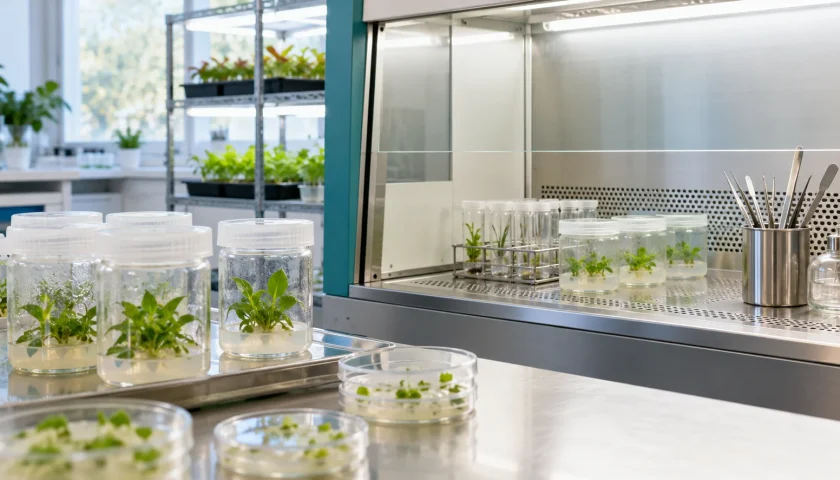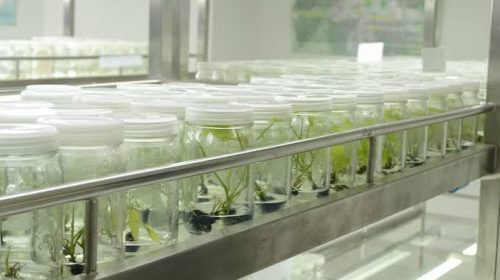
Tissue culture plants are widely used by nurseries, commercial growers, garden centers, and plant distributors that need reliable supplies of selected plant varieties. Buying these plants in bulk can support larger production plans and help businesses maintain consistent inventory. However, wholesale prices can vary considerably depending on the plant type, production requirements, order quantity, quality standards, and delivery arrangements.
Understanding the factors that influence Tissue Culture Plants Wholesale pricing helps buyers compare supplier quotations and prepare realistic purchasing budgets. Rather than focusing only on the unit price, businesses should evaluate the complete cost of sourcing, transporting, and establishing plants.
1. Plant Species and Variety
The type of plant being purchased is one of the main factors affecting wholesale pricing. Different species and varieties have different propagation requirements, growth characteristics, and market demand.
Popular Plant Varieties
Common ornamental plants may be available from multiple suppliers, which can create more competitive pricing. Varieties such as Aglaonema, Philodendron, Monstera, and selected orchids are examples of plants that may be produced commercially through tissue culture.
However, prices still depend on the specific cultivar, plant stage, and supplier availability.
Rare or Specialized Varieties
Some specialty plants require more complex propagation procedures or have limited commercial production capacity. Their availability may be restricted, which can result in higher prices.
Buyers should confirm the exact scientific name and cultivar before comparing quotations because plants with similar common names may have different characteristics and values.
2. Order Quantity and Bulk Purchasing Volume
The quantity ordered can have a direct influence on the unit price offered by a wholesale supplier.
Volume-Based Pricing
Suppliers may offer lower per-plant prices for larger orders because production, preparation, and administrative costs can be distributed across more units.
For businesses with predictable demand, larger orders may therefore provide cost advantages.
Minimum Order Quantities
Some suppliers establish minimum order quantities for individual varieties or complete shipments. These requirements may depend on production capacity, packaging methods, and the type of plant being supplied.
Buyers should confirm minimum quantities before preparing their purchasing budgets.
Balancing Quantity and Demand
Ordering more plants does not automatically mean greater savings. Excess inventory can create additional costs for growing space, labor, maintenance, and potential plant losses.
The best order size should match expected sales and the nursery’s ability to accommodate incoming plantlets.
3. Plant Growth Stage and Development
Tissue culture plants can be supplied at different development stages, and each stage may have different production and handling costs.
Laboratory Plantlets
Laboratory plantlets are generally maintained in controlled culture conditions. Their pricing depends on the propagation stage, variety, production process, and packaging requirements.
These plants may need careful removal from culture containers and gradual acclimatization after delivery.
Rooted Plantlets
Rooted plantlets have developed roots and may be closer to the next stage of nursery cultivation. Their price can reflect the additional time and resources required to achieve suitable development.
Acclimatized Young Plants
Acclimatized plants have already undergone a transition from laboratory conditions to a more conventional growing environment. They may involve additional labor, space, and maintenance, which can affect their wholesale price.
Buyers should compare plants at the same growth stage to make accurate price evaluations.
4. Production Costs and Laboratory Technology
Tissue culture production requires specialized facilities, equipment, materials, and trained personnel. These operational expenses contribute to the final wholesale price.
Laboratory Facilities
Suppliers need suitable laboratory spaces, sterilization equipment, controlled environments, and culture preparation facilities. Maintaining these systems involves ongoing operating and maintenance costs.
Nutrient Media and Materials
Plant tissue requires appropriate nutrient media and other materials to support growth and multiplication. The formulation and preparation requirements may vary depending on the plant species.
Skilled Labor
Tissue culture production involves technical work, including explant preparation, culture transfer, monitoring, contamination control, and plantlet development.
Suppliers with established production systems may have different cost structures from smaller laboratories or businesses that outsource some production stages.
5. Plant Quality and Quality Control Standards
Quality standards can also influence wholesale pricing. Producing healthy, uniform, and properly developed plantlets requires careful monitoring throughout the propagation process.
Contamination Control
Maintaining sterile laboratory conditions is essential for reducing contamination risks. Suppliers may invest in sterilization equipment, controlled workspaces, and regular inspection procedures.
These measures contribute to production costs but can help protect the quality of plant batches.
Plant Grading
Some suppliers grade plantlets according to size, root development, appearance, or growth stage. Higher grading specifications may require additional selection and inspection work.
Consistency Between Batches
Businesses that need uniform plants for commercial projects may request specific quality requirements. Maintaining these standards across large orders can involve additional production controls.
Buyers should ask suppliers to explain their grading criteria instead of assuming that all wholesale products follow the same specifications.
6. Packaging and Transportation Requirements
Packaging and shipping expenses can make a significant difference to the final purchasing cost, especially for international orders.
Specialized Packaging
Tissue culture plants can be sensitive to physical damage and environmental changes. Depending on their growth stage, they may require culture vessels, trays, protective materials, or other suitable packaging.
More specialized packaging may increase the cost per shipment.
Shipping Distance and Method
Transportation costs depend on the distance between the supplier and buyer, shipment size, delivery method, and transit time.
Air freight may be selected for time-sensitive shipments, while other arrangements may be suitable for different products and routes.
Temperature and Handling Conditions
Some plant varieties require particular environmental conditions during transportation. Additional protective measures or specialized handling may affect the shipping quotation.
Buyers should ask how plants are prepared for transit and whether the proposed packaging is suitable for the expected journey.
7. Seasonal Demand and Market Availability
Market demand can influence the prices and availability of different plant varieties.
Seasonal Purchasing Patterns
Certain plants experience increased demand during particular gardening, landscaping, or retail seasons. When orders rise during these periods, suppliers may face greater production and inventory pressure.
Planning purchases in advance can help businesses avoid last-minute sourcing difficulties.
Limited Production Availability
Some varieties may be produced in smaller quantities because of specialized propagation requirements or limited supplier capacity. Restricted availability can affect wholesale prices.
Market Trends
Changes in interior decoration, landscaping preferences, and consumer interest can increase demand for specific ornamental plants.
Nurseries should monitor customer preferences and avoid basing large purchasing decisions entirely on short-term trends.
8. Supplier Location and Production Capacity
The supplier’s location and operational scale can affect the price offered to buyers.
Domestic and International Sourcing
Purchasing from a local supplier may reduce transportation complexity and delivery time. International sourcing may provide access to a wider variety of plants or different production options, but it can involve additional freight, customs, and documentation expenses.
Production Scale
Larger suppliers may benefit from established laboratory systems and higher production volumes. Smaller suppliers may offer specialized varieties or flexible order arrangements.
Neither size alone guarantees better value. Buyers should compare actual product quality, service, and total costs.
9. Customization and Special Order Requirements
Some plant businesses require specific varieties, sizes, packaging formats, or labeling arrangements. Customized orders can influence wholesale pricing because they may require additional preparation and coordination.
Special Variety Requests
If a buyer requests a particular cultivar that is not part of the supplier’s regular production schedule, additional sourcing or propagation work may be necessary.
Custom Packaging and Labeling
Special labels, individual packaging, or specific batch identification requirements can add preparation costs.
Specific Delivery Schedules
Orders requiring coordinated production and delivery dates may need additional planning. Buyers should discuss these requirements early to understand their impact on pricing and lead times.
10. Import Regulations and Documentation Costs
International purchases may involve regulatory requirements that add to the overall cost of sourcing tissue culture plants.
Depending on the destination country and plant species, buyers may need to arrange:
- Plant import permits, where required
- Phytosanitary certificates
- Customs declarations
- Plant inspection or quarantine procedures
- Applicable duties, taxes, and clearance charges
- Additional documentation for restricted plant varieties
Requirements vary between countries, so buyers should check with the relevant agricultural and customs authorities before placing an order.
It is also important to clarify which documents the supplier will provide and which costs are the buyer’s responsibility.
11. Payment Terms and Order Conditions
Payment arrangements can influence the financial planning of a wholesale purchase.
Some suppliers require deposits before production or shipment, while others may offer different payment schedules depending on the order size and business relationship.
Before confirming an order, review:
- Deposit and balance payment requirements
- Accepted payment methods
- Currency and exchange-rate considerations
- Cancellation and order-change policies
- Delivery responsibilities
- Procedures for handling damaged or incorrect shipments
Clear written terms help both parties understand their responsibilities and reduce the risk of unexpected expenses.
12. How Buyers Can Compare Wholesale Quotations
Comparing quotations carefully is essential when choosing a supplier. A lower quoted price may not provide the best overall value if it excludes important costs or involves different product specifications.
Use the following approach when reviewing offers:
- Compare identical varieties: Confirm the scientific names and cultivar details.
- Check growth stages: Make sure the plantlets are at comparable development stages.
- Review quantity requirements: Include minimum order quantities and volume-based discounts.
- Evaluate quality standards: Compare grading, plant health, and inspection procedures.
- Include packaging and freight: Add transportation and handling charges to the unit price.
- Check documentation costs: Consider applicable import permits, certificates, duties, and taxes.
- Review supplier reliability: Evaluate production capacity, delivery performance, and customer support.
Businesses researching wholesale sourcing options can also review the product information provided by Young Plants when comparing suppliers and purchasing requirements.
Practical Ways to Manage Tissue Culture Plant Purchasing Costs
Plant businesses can take several steps to control purchasing expenses without compromising essential quality standards.
Plan Orders in Advance
Early purchasing decisions allow businesses to discuss availability, production schedules, and delivery arrangements before inventory becomes limited.
Combine Compatible Orders
Where practical, combining requirements into one shipment may reduce certain transportation or administrative expenses. However, buyers should ensure that different varieties can be packed and transported under suitable conditions.
Start With a Trial Order
Testing a new supplier with a smaller order can help evaluate product quality, packaging, and service before committing to larger quantities.
Monitor Plant Losses
Maintain records of plant condition upon arrival, acclimatization results, and survival rates. This information helps buyers assess the real cost of each supplier’s products.
Build Reliable Supplier Relationships
Regular communication and accurate demand forecasts can make repeat purchasing easier. Long-term cooperation may also help businesses plan production and negotiate suitable commercial terms.
Conclusion
Tissue culture plants wholesale pricing depends on several interconnected factors, including plant variety, order quantity, growth stage, laboratory production costs, quality standards, packaging, transportation, and market demand. International regulations, customization requirements, and payment conditions can also influence the final investment.
For plant businesses, the most effective purchasing strategy is to compare suppliers using consistent product specifications and evaluate the total landed cost rather than focusing only on the unit price. Careful planning, quality verification, and reliable supplier relationships can help nurseries and commercial growers manage expenses while maintaining a dependable supply of suitable plants.