Foot washing requires more room and a different body position than ordinary handwashing. A basin with narrow sides, sharp corners, or insufficient depth may make it difficult to place and move the feet comfortably. These design limitations can also cause water to splash onto the surrounding floor.
The shape of a basin plays an important role in the overall ablution experience. A suitable Wudu basin provides enough space for foot placement, supports natural movement, and helps direct water towards the drain. Understanding the differences between basin shapes makes it easier to choose a design that suits the bathroom layout and the needs of its users.
Why Does Basin Shape Matter For Foot Washing?
Ablution involves washing both feet while maintaining a comfortable sitting or standing position. The basin needs to accommodate these movements without forcing users to twist their legs or stretch beyond a comfortable range.
Its shape affects several practical details, including:
- Foot placement: The internal space determines how easily users can position their feet.
- Movement: A suitable design allows users to move their feet without hitting the basin edges.
- Water control: The basin shape influences how water moves towards the drainage outlet.
- Splash prevention: Properly designed edges help contain water during washing.
- Cleaning: Smooth internal curves and accessible corners make maintenance easier.
A basin that supports these requirements makes daily ablution more convenient. This becomes particularly important in mosques and shared facilities where people use the washing stations throughout the day.
1. Rectangular Wudu Basins For Spacious Foot Washing
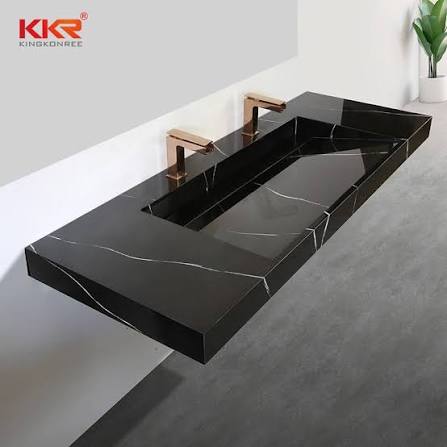
Rectangular basins are a common choice for modern ablution areas. Their straight sides provide a clearly defined washing space, making it easier to plan the position of the faucet, seating, and drainage outlet.
A wider rectangular design offers room for users to position their feet without feeling restricted by narrow edges. Its shape also works well in bathrooms where several washing stations need to sit in a straight line.
Another advantage is the efficient use of wall space. Rectangular basins fit neatly against flat surfaces and can suit both residential and commercial installations.
However, check the internal width rather than relying only on the external measurements. Thick edges or a narrow inner section may reduce the actual washing space.
2. Oval Basins For Natural Foot Movement
Oval basins have rounded sides that create a softer washing area. Their curved shape removes sharp internal corners and may make it easier to move the feet during ablution.
This design can also help water move towards a centrally positioned drain, depending on the basin’s internal slope.
Oval shapes suit bathrooms where appearance and practical use both matter. Their smooth outlines create a less rigid look than rectangular models.
One limitation is the available width near the ends. Some oval basins become narrower towards their sides, reducing the space available for larger feet. Check the usable internal dimensions before making a choice.
3. Deep Basins For Better Foot Clearance
Depth is an important consideration when selecting a basin for foot washing. A deeper design provides more vertical clearance and may help contain splashes when users lift or move their feet.
It also offers enough room to direct water over the feet without bringing them too close to the basin edges.
However, depth needs to match the user’s sitting position. An excessively deep basin may force shorter users to stretch their legs or make the faucet difficult to reach.
Look for a design that balances vertical clearance with comfortable access to the water supply.
4. Curved Basins For Better Water Direction
Curved basins feature rounded internal surfaces that may help guide water towards the drainage outlet. Unlike designs with several flat sections, their smooth transitions reduce areas where water and residue may collect.
This shape can make cleaning easier, especially in facilities that receive frequent use.
Curved designs also offer flexibility in bathroom layouts. Depending on their dimensions, they may fit into corners or along walls without occupying unnecessary space.
When choosing this style, examine the slope of the basin floor. A curved appearance alone does not guarantee efficient drainage. The outlet position and internal construction also matter.
5. Angled Basins For Controlled Foot Positioning
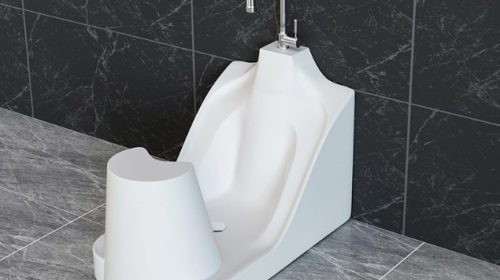
Some ablution basin designs use angled surfaces to provide a more directed washing area. These shapes may offer additional room near the foot placement section while keeping the overall structure compact.
An angled front or sloped interior can also help guide water towards the drain. This makes the design worth considering for bathrooms where controlling splashes is a priority.
However, the angle needs careful evaluation. A steep surface may feel uncomfortable when users rest or position their feet inside the basin.
Check the basin from the seated position to understand how easily users can reach the washing area.
Which Basin Shape Is Best For Comfortable Foot Washing?
There is no single shape that suits every ablution area. The right choice depends on available space, user requirements, basin dimensions, and installation conditions.
The following comparison highlights the main differences:
| Basin Shape | Main Advantage | Important Consideration |
| Rectangular | Wide and clearly defined washing area | Check internal width and corner access |
| Oval | Rounded edges and smooth appearance | Ends may offer less usable space |
| Deep | More vertical clearance | Excessive depth may affect reach |
| Curved | Smooth internal transitions | Check drainage slope |
| Angled | Directed washing position | Confirm that the angle feels comfortable |
For shared facilities, rectangular designs often provide straightforward space planning. Oval and curved models may suit smaller bathrooms or projects that prioritize softer shapes.
Deep designs are worth considering when foot clearance is a major concern. Angled options need individual assessment to confirm that their geometry supports natural movement.
Other Design Features That Affect Foot Washing Comfort
Basin shape is only one part of the selection process. Several other features determine how comfortable the washing experience will be.
1. Internal Width And Length
The basin needs enough space for users to place their feet without pressing them against the sides. Larger users may require additional internal width and length.
Measure the usable washing area rather than the outer dimensions. This helps identify whether the basin provides sufficient room for actual use.
2. Rounded And Smooth Edges
Sharp edges may cause discomfort when users move their feet close to the basin walls. Rounded edges provide a smoother contact area and make the design easier to clean.
Check the transition between the basin floor and its sides as well. Smooth internal corners reduce areas where dirt and water residue may collect.
3. Suitable Seating Height
Seating affects how easily users can position their feet inside the basin. A seat that sits too high or too low may create unnecessary strain during washing.
A comfortable seat should allow users to reach the basin without excessive bending or stretching. Stable construction is also important in public facilities.
4. Faucet Position
The faucet should provide enough reach to direct water towards the washing area. A poorly positioned outlet may force users to adjust their feet repeatedly.
Choose a faucet that provides controlled water flow and enough clearance for comfortable movement.
5. Drainage Placement
A properly positioned drain helps remove used water and prevents it from collecting inside the basin. The internal floor should guide water towards the outlet without creating unwanted pools.
Removable drain covers also make routine cleaning easier.
How To Choose The Right Basin Shape For Different Bathrooms
The best design may change according to the type of facility and the people who use it.
Residential Bathrooms
Homeowners often have more flexibility when choosing basin shapes. A rectangular or oval design may work well depending on the available floor space.
For compact bathrooms, check whether the basin can fit without restricting access to other fixtures. Wall-mounted models may help keep the surrounding floor open.
Mosque Ablution Areas
Mosques need washing stations that support frequent use and accommodate different users. Rectangular basins may simplify the arrangement of multiple stations along a wall.
However, sufficient spacing, comfortable seating, and effective drainage matter just as much as basin shape.
Hotels And Commercial Buildings
Hotels and commercial facilities often need designs that balance appearance, durability, and maintenance. Curved or oval basins may complement modern interiors, while rectangular models provide practical installation options.
The selected material should also withstand regular cleaning and repeated water exposure.
Facilities For Older Adults
Older users may benefit from a basin that provides easy access, sufficient legroom, and a comfortable seated position. Rounded edges and stable seating can also support a more convenient washing arrangement.
For accessible facilities, review relevant building requirements and consider the needs of people with limited mobility.
Common Mistakes When Choosing A Basin Shape
A basin may look suitable in a product photograph yet create difficulties after installation. Avoid these common selection mistakes:
- Choosing a narrow design: Limited internal space may make foot placement uncomfortable.
- Focusing only on appearance: A stylish shape does not guarantee practical washing space.
- Ignoring basin depth: Insufficient depth may increase splashing and restrict movement.
- Overlooking internal corners: Difficult-to-clean areas may collect residue.
- Selecting an unsuitable angle: Poorly designed slopes may create uncomfortable foot positions.
- Forgetting user requirements: One basin design may not suit every age group or mobility level.
Whenever possible, review technical drawings and product dimensions before ordering. This gives a clearer idea of the actual washing area and installation requirements.
Frequently Asked Questions
Is A Rectangular Or Oval Basin Better For Foot Washing?
Rectangular basins often provide a wider, more defined washing area, whereas oval basins offer rounded sides and a softer shape. The better option depends on the internal dimensions and the user’s foot placement requirements.
How Deep Should A Wudu Basin Be?
The ideal depth depends on the basin design and seating arrangement. It needs enough clearance for comfortable foot washing without making the faucet difficult to reach.
Do Curved Basins Help With Water Drainage?
Curved internal surfaces may help direct water towards the drain. However, drainage performance also depends on the floor slope, outlet position, and basin construction.
Are Wall-Mounted Basins Suitable For Foot Washing?
Yes. Wall-mounted basins can provide practical washing space and leave the floor underneath open. However, the wall structure must support the basin, and the installation height needs to suit the intended users.
What Basin Material Is Suitable For Regular Foot Washing?
Solid surface and ceramic are two common choices. Solid surface offers smooth finishes and design flexibility, while ceramic provides a hard glazed surface. Compare durability, cleaning requirements, and installation needs before choosing.
Final Thoughts
The right basin shape makes a noticeable difference to foot washing comfort during daily ablution. Rectangular designs provide defined washing space, oval models offer rounded sides, and deeper or curved options address different clearance and drainage needs.
Before making a purchase, compare the internal dimensions, edge design, seating position, faucet reach, and drainage arrangement. A basin that brings these features together will provide a more comfortable and practical washing area for everyday use.