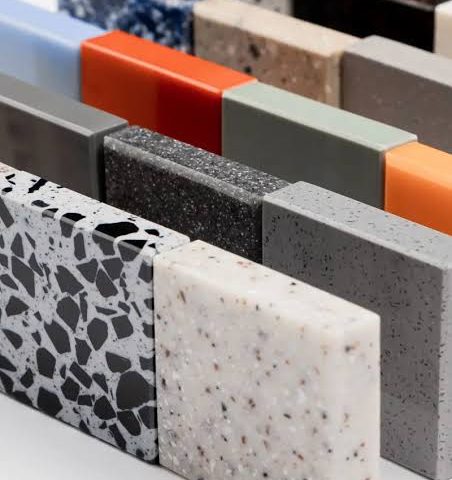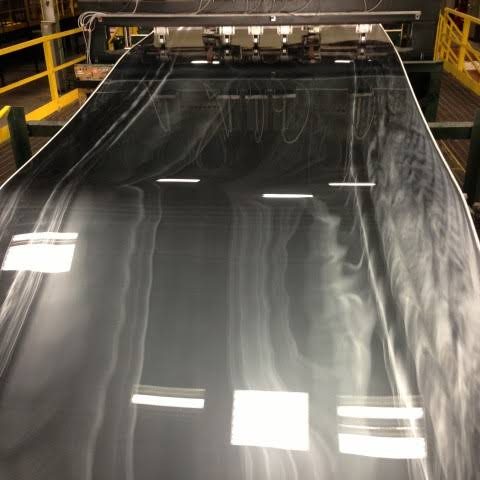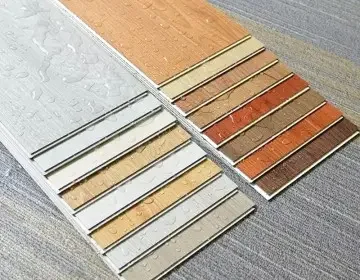
Flooring projects rarely follow a single standard specification. A residential development may require a particular color palette, while a hotel renovation might need coordinated designs across guest rooms, corridors, and shared spaces. Retailers and distributors also have their own branding, packaging, and product range requirements. Original Equipment Manufacturer (OEM) services help businesses address these differences by allowing flooring products to be developed or supplied according to agreed customer specifications.
Working with a provider offering SPC Flooring OEM Service can give buyers a structured way to coordinate product details, branding, and order requirements. Rather than selecting only from a ready-made catalogue, customers can discuss the features they need and determine which options are practical for production. The result is a product range planned around a particular market, project, or business identity.
What OEM Service Means in the Flooring Industry
In an OEM arrangement, a manufacturer produces goods according to specifications agreed with a customer. Depending on the supplier’s capabilities, this may involve selecting from existing product constructions, customizing surface designs, applying a customer’s brand, or preparing packaging with specific labels and information.
The precise scope varies between manufacturers. Some may offer a broad selection of customization options, while others focus on private labeling and packaging. Buyers should therefore establish what is included before treating OEM as a complete product-development service.
For SPC flooring, the discussion may cover plank dimensions, thickness, surface appearance, wear-layer specifications, locking profiles, underlay options, and edge treatments. Not every combination will necessarily be available. Production methods, material availability, minimum order quantities, and technical limitations can influence the final specification.
Turning a Design Brief into a Product Specification
A useful OEM project begins with a clear brief. Instead of relying on general descriptions such as “light oak” or “commercial quality,” buyers should provide measurable or visual references wherever possible.
A practical specification can include:
- Appearance: Color, pattern, texture, gloss level, and preferred design references.
- Dimensions: Plank or tile length, width, and overall thickness.
- Construction: Core requirements, wear-layer details, and any attached underlay.
- Performance criteria: Relevant test standards and project-specific requirements.
- Branding: Logo placement, carton design, product names, and labeling.
- Packaging: Carton quantities, protective materials, pallet arrangements, and shipping marks.
Samples are particularly useful when appearance matters. A digital image may not accurately represent the final surface texture or color under different lighting conditions. Buyers should request physical samples and approve the intended reference before confirming a large production order.
Why Customization Can Help Flooring Businesses
OEM production can help distributors create a recognizable product identity. A coordinated collection with consistent naming, packaging, and visual presentation may make it easier for a business to distinguish its range from competing products.
Developers and contractors can also benefit when product specifications need to align with a particular interior concept. For example, a multi-unit residential project may use a consistent flooring design throughout its apartments while selecting different finishes for communal areas.
Customization can also support inventory planning. A business may choose a focused selection of colors and dimensions that reflect its customers’ preferences rather than carrying a broad range of products with limited demand. However, this benefit depends on realistic forecasting and the supplier’s minimum order requirements.
Evaluating an OEM Manufacturing Partner
Price should not be the only selection criterion. Buyers need to understand the manufacturer’s production capacity, quality-control procedures, communication process, and ability to maintain consistency between orders.
Ask how specifications are documented, how samples are approved, and what checks take place during production. It is also sensible to clarify how changes are handled if a material, design, or packaging detail becomes unavailable. Written agreements reduce the risk of misunderstandings.
Before placing a substantial order, review a sample carton and confirm that product labels, quantities, and shipping information match the agreed requirements. If the flooring will be used in a regulated or specialist environment, obtain the relevant test reports and verify that they apply to the exact product construction being purchased.
Planning for a Consistent Long-Term Range
OEM flooring is most effective when customization is treated as an ongoing product-management process rather than a one-time design request. Keep approved samples, specifications, artwork files, and production records together. These references help both parties identify the correct product when repeat orders are needed.
By defining requirements carefully and choosing a manufacturer with transparent processes, businesses can use OEM services to build flooring ranges that reflect their market needs while maintaining control over product identity and purchasing expectations.