Fire safety systems are essential for protecting lives, buildings, and valuable assets from unexpected fire incidents. Commercial properties, industrial facilities, warehouses, and residential complexes require reliable firefighting equipment that can provide immediate access to water during emergencies. Among the commonly installed fire protection solutions, hose reel systems offer a practical method of delivering water to accessible fire locations.
A Fire Hose Reel is a permanently installed firefighting device consisting of a hose wound around a rotating drum and connected to a suitable water supply. It allows users to unwind the hose and direct water toward a fire when necessary. Understanding its installation, operation, and maintenance requirements helps property managers and safety professionals maintain effective fire protection arrangements.
What Is a Fire Hose Reel System?
A fire hose reel system is a fixed firefighting installation designed to provide a readily accessible water supply. It generally includes a hose drum, flexible hose, water inlet, control valve, mounting bracket, and discharge nozzle.
The hose is stored on a rotating reel, allowing users to extend the required length during an emergency. Depending on the system design, the water supply may be activated through a valve or nozzle arrangement.
These systems are commonly installed in commercial buildings, factories, shopping centers, educational institutions, and other properties where accessible firefighting equipment is required.
Main Components of a Fire Hose Reel
Understanding the individual components helps explain how the system operates.
1. Hose Drum
The drum stores the hose in an organized arrangement and rotates as the hose is extended or returned. Its construction should provide sufficient strength to support repeated operation.
2. Fire Hose
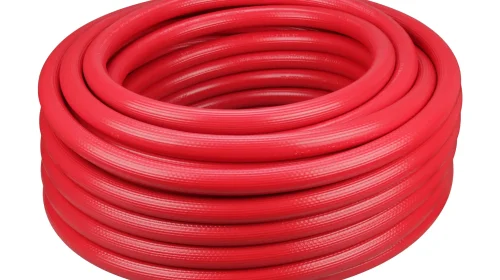
The hose transports water from the supply connection to the discharge nozzle. It must provide suitable flexibility, pressure resistance, and durability for the intended installation.
3. Water Supply Valve
The valve controls the flow of water into the hose assembly. Its design should allow reliable operation and prevent unwanted leakage.
4. Discharge Nozzle
The nozzle controls the direction and pattern of the water discharge. Some designs allow users to regulate the flow according to the equipment specifications.
5. Mounting Bracket and Cabinet
The mounting arrangement keeps the reel securely positioned and accessible. Cabinets can provide additional protection against dust, accidental damage, and environmental exposure.
Installation Requirements for Fire Hose Reel Systems
Correct installation is essential for ensuring that a hose reel remains accessible and performs as intended.
Strategic Location
Hose reels should be positioned according to the building’s fire risk assessment and applicable fire safety regulations. Locations should provide convenient access without obstruction from furniture, machinery, stored materials, or locked areas.
Secure Mounting
The reel must be attached to a suitable wall or supporting structure using appropriate mounting hardware. Secure installation helps prevent movement or structural damage during hose deployment.
Water Supply Connection
The system should connect to a suitable water supply capable of meeting its specified operating requirements. Pipe dimensions, pressure availability, valves, and connection fittings must comply with the approved design.
Accessibility and Signage
Clear identification signs should indicate the location of firefighting equipment. Access routes should remain unobstructed so users can reach the reel quickly during emergencies.
Installation should be completed and tested by qualified personnel in accordance with local regulations and manufacturer instructions.
How to Operate a Fire Hose Reel
Although operating procedures vary by equipment design, general steps include:
- Identify the fire hose reel and ensure that the surrounding area is accessible.
- Extend the hose toward the intended firefighting location.
- Open the water supply valve according to the manufacturer’s instructions.
- Operate the nozzle using its designated control mechanism.
- Direct the water toward the appropriate area while maintaining a safe position.
Users should receive suitable fire safety training before operating firefighting equipment. Water should not be applied to energized electrical equipment or fires involving substances for which water is unsuitable.
Personal safety and evacuation must always take priority over attempting to extinguish a fire.
Maintenance and Inspection Essentials
Regular maintenance helps ensure that hose reel systems remain ready for emergency use. Inspections should follow applicable standards, local regulations, and manufacturer recommendations.
Important maintenance activities include:
- Hose inspection: Check for cracks, cuts, leaks, kinks, and visible deterioration.
- Drum inspection: Ensure that the reel rotates smoothly and the hose winds correctly.
- Valve testing: Verify that valves operate properly without excessive resistance or leakage.
- Nozzle examination: Check for blockages, damage, and correct operation.
- Water supply testing: Confirm that the system provides the required water pressure and flow.
- Mounting inspection: Examine brackets, cabinets, and supporting structures for looseness or corrosion.
Any damaged component should be repaired or replaced by qualified personnel using compatible parts.
Common Problems and Preventive Measures
Fire hose reel systems can experience problems if maintenance is neglected. Common issues include leaking connections, damaged hoses, blocked nozzles, corroded fittings, and restricted water supply.
Preventive maintenance reduces the likelihood of these problems. Keeping equipment accessible, inspecting components regularly, and addressing defects promptly helps maintain system reliability.
Conclusion
Fire hose reel systems provide an accessible water delivery solution for many commercial and industrial properties. Their effectiveness depends on suitable installation, correct operation, reliable water supply, and consistent maintenance.
By understanding the system’s components and following appropriate safety procedures, property managers can improve firefighting preparedness and equipment reliability. Regular professional inspections also help ensure that hose reels remain functional and ready when emergencies occur.