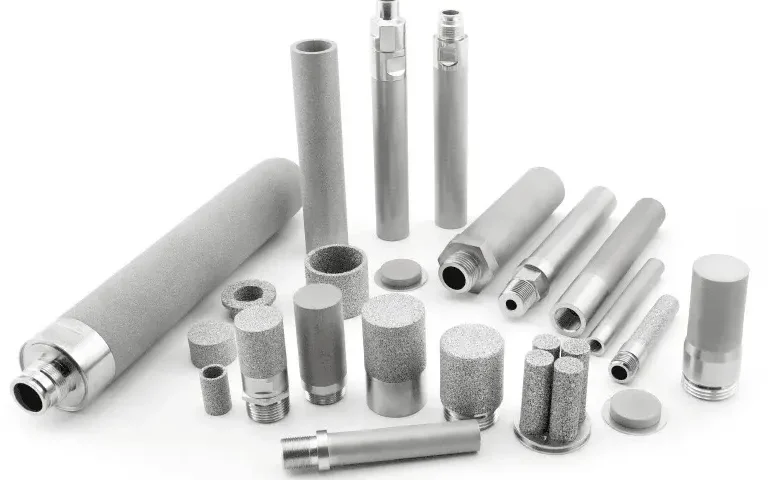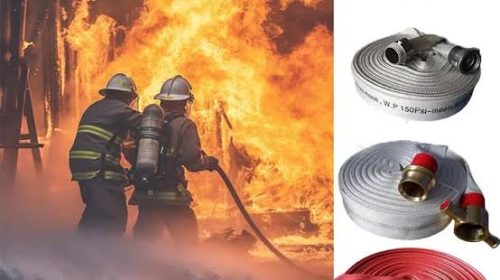
A nozzle has an important influence on how water or another compatible medium leaves a hose or discharge assembly. It shapes the outlet, helps direct the flow, and may allow the operator to adjust the discharge pattern. Although metal nozzles are common in demanding applications, engineered plastics are also used in certain water delivery and fire safety products. Their suitability depends on the operating conditions, material formulation, pressure rating, and design of the complete assembly.
A Plastic Nozzle may be used in selected water discharge applications where its material properties and construction meet the equipment’s requirements. Depending on the design, it may offer low weight, resistance to particular forms of corrosion, and convenient handling. These benefits should not be treated as proof that any plastic nozzle is appropriate for firefighting. The product must be specifically rated and approved for its intended use, including the expected pressure, temperature, flow, and conveyed medium.
Why manufacturers use engineered plastics
Plastics used in technical equipment are not all the same. Different polymers have different strengths, temperature limits, chemical resistance, and resistance to impact or ultraviolet exposure. Some engineered materials can provide a useful balance of durability and low weight, making them practical for selected discharge devices.
A lighter nozzle can be easier to handle, especially in applications where equipment is moved or operated for extended periods. Plastic construction may also avoid certain corrosion issues associated with some metals. However, the material’s suitability depends on its formulation and the environment. Generic plastic should never be assumed to have the mechanical properties required for pressurized fire equipment.
Nozzle shape and discharge characteristics
The internal geometry of a nozzle influences the way fluid exits. Outlet diameter, internal contours, and any pattern-control mechanism can affect flow rate, stream shape, and distribution. A simple nozzle may provide a fixed discharge, while other designs allow the operator to select among different patterns.
A narrow, concentrated stream and a broader spray serve different purposes. The correct arrangement depends on the equipment’s intended application and the fire protection strategy. A nozzle should not be modified or drilled to change its output, because even small changes can alter pressure and flow characteristics.
Pressure and temperature limitations
Every nozzle intended for pressurized service should have documented operating limits. Pressure capability depends on the material, wall thickness, geometry, manufacturing process, and connection design. Temperature can also affect plastic performance: some polymers become less resilient in cold conditions, while high temperatures may cause softening or deformation.
Buyers should check the manufacturer’s technical information for working pressure, temperature range, testing requirements, and any restrictions on use. The nozzle rating must be compatible with the hose, coupling, valve, and water supply. An assembly is only as suitable as its least capable component.
Chemical and environmental compatibility
In addition to water, some discharge equipment may be exposed to cleaning agents, additives, or other substances. Compatibility should be confirmed for the specific plastic formulation. Certain chemicals can cause swelling, cracking, embrittlement, or loss of strength.
Outdoor storage introduces further considerations, including sunlight, rain, dust, and temperature cycling. A product designed for indoor use may not have the same resistance as one intended for outdoor service. Protective storage and compliance with the manufacturer’s cleaning guidance can help preserve the nozzle’s condition.
Connection design and ease of operation
The nozzle’s inlet must connect securely to the hose or appliance. Thread dimensions, coupling profiles, seals, and retention arrangements should match the adjoining equipment. A fitting that appears close to the correct size may still fail to seal or engage properly.
Controls should be easy to understand and operate. If the nozzle has a selectable pattern or shutoff function, personnel should know how the mechanism works and what each setting is intended to achieve. Training should use the actual product installed rather than a different model with similar appearance.
Inspection and care
Before use, inspect the nozzle for cracks, deformation, blocked openings, worn threads, damaged seals, and loose components. Check that any moving control operates as intended. Clean away dirt and deposits using approved methods, and avoid sharp tools that could damage the outlet or internal surfaces.
A nozzle showing structural damage or uncertain pressure integrity should be removed from service and assessed by a qualified person. Repairs should follow manufacturer-approved procedures; improvised adhesives or sealants are not reliable substitutes.
Choose by performance, not material alone
Plastic construction can offer practical benefits in suitable water discharge equipment, but material type is only one part of the selection process. The application, pressure rating, temperature range, outlet design, connection standard, and relevant approvals all need to be considered. When these details are verified, an appropriately engineered plastic nozzle can be a useful component in a well-maintained fire safety or water delivery system.