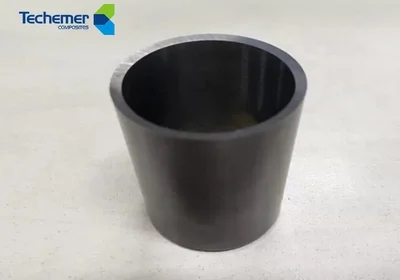
Hydropower plants depend on reliable mechanical systems to convert flowing water into electricity efficiently. Among their essential components, bearings play a major role in supporting rotating shafts, maintaining alignment, and reducing friction during continuous operation. Their performance directly influences turbine stability, operational efficiency, and equipment lifespan.
Selecting suitable hydro turbine bearings requires an understanding of turbine design, operating conditions, load capacity, and lubrication requirements. Different hydropower installations experience varying mechanical stresses and environmental challenges, making bearing selection an important part of power plant engineering.
Understanding the Role of Hydro Turbine Bearings
Hydro turbine bearings are mechanical components designed to support rotating parts within a turbine-generator assembly. They maintain the correct position of the shaft while managing radial loads, axial thrust, or a combination of both.
During operation, turbine shafts rotate under significant mechanical forces generated by water pressure and electrical loads. Bearings help control movement, minimize friction, and maintain stable rotation. Without properly functioning bearings, excessive vibration, heat generation, and premature component wear can affect the entire generating system.
Their importance extends beyond mechanical support. Reliable bearings also contribute to reduced maintenance requirements, improved energy generation consistency, and longer equipment service intervals.
Types of Bearings Used in Hydropower Turbines
Different turbine configurations require different bearing arrangements. The choice depends on shaft orientation, rotational speed, load distribution, and installation design.
1. Journal Bearings
Journal bearings, also known as sleeve bearings, support rotating shafts through a lubricating film between the shaft and bearing surface. They are commonly used in large hydroelectric generators and vertical turbine arrangements.
These bearings distribute radial loads across a relatively large surface area. With an effective lubrication system, they can provide stable operation, low friction, and long service life.
Their performance depends heavily on oil quality, clearance, temperature control, and shaft alignment.
2. Thrust Bearings
Thrust bearings are designed to withstand axial forces generated during turbine operation. In vertical hydro turbines, hydraulic pressure can create substantial upward or downward thrust that must be transferred safely to the supporting structure.
These bearings typically use specialized bearing pads that operate with a thin lubricating film. Proper load distribution helps prevent localized stress, excessive temperatures, and surface damage.
Thrust bearing performance is particularly important in large hydropower installations where axial loads can be considerable.
3. Guide Bearings
Guide bearings maintain the radial position of the turbine shaft and help control unwanted lateral movement. They are commonly installed at different points along the turbine-generator shaft assembly.
By maintaining shaft alignment, guide bearings reduce vibration and help protect surrounding mechanical components. Their condition is important for maintaining stable operation, particularly in vertical-shaft turbines.
4. Rolling Element Bearings
Rolling element bearings use balls or rollers to reduce friction between moving surfaces. Depending on their design, they can support radial loads, axial loads, or both.
They are often found in smaller hydroelectric equipment, auxiliary systems, and applications where their speed and load characteristics are suitable.
Compared with many hydrodynamic bearing arrangements, rolling element bearings may offer simpler installation and maintenance, although their load capacity and service life depend on operating conditions.
Applications of Hydro Turbine Bearings
Hydro turbine bearings are used across different hydropower technologies and equipment configurations. Their specific functions vary according to turbine type and installation requirements.
Francis Turbines
Francis turbines are widely used in medium- and high-head hydropower plants. Their rotating assemblies require bearings capable of handling radial forces and maintaining accurate shaft alignment.
Guide bearings and thrust bearings work together to support the turbine-generator assembly and maintain reliable operation under changing hydraulic loads.
Kaplan Turbines
Kaplan turbines operate efficiently in low-head applications and often feature adjustable blades. Their operating conditions can involve changing hydraulic forces, making bearing stability and load management particularly important.
Bearing arrangements must accommodate the mechanical requirements of the rotating assembly while supporting consistent performance.
Pelton Turbines
Pelton turbines are commonly installed in high-head hydropower facilities. Their operating speeds and mechanical configurations create specific requirements for shaft support and alignment.
Bearings must withstand operational loads while maintaining smooth rotation and minimizing vibration.
Pumped-Storage Hydropower Systems
Pumped-storage facilities operate in both pumping and generating modes. This operating flexibility can expose rotating equipment to changing load conditions and operating cycles.
Bearing systems must therefore provide dependable support during different operating modes while maintaining effective lubrication and temperature control.
Key Performance Factors Affecting Bearing Reliability
The performance of hydro turbine bearings depends on several interconnected engineering factors. Understanding these variables helps operators improve reliability and reduce unexpected equipment failures.
1. Load Capacity
Bearing selection must account for the radial and axial loads generated during operation. Incorrect load ratings can lead to excessive stress, deformation, and premature wear.
Engineers should evaluate both normal operating loads and potential variations caused by hydraulic conditions or transient events.
2. Lubrication Quality
Lubrication reduces friction, limits wear, and helps control operating temperatures. Different bearing designs require specific lubrication arrangements, including oil-bath, circulating oil, or hydrodynamic lubrication systems.
Important lubrication considerations include:
- Appropriate lubricant viscosity.
- Consistent oil supply and circulation.
- Effective filtration and contamination control.
- Suitable operating temperature.
- Regular oil condition monitoring.
Inadequate lubrication can damage bearing surfaces and significantly shorten service life.
3. Temperature Management
Excessive heat can reduce lubricant effectiveness and accelerate material degradation. Bearing temperature is influenced by friction, applied loads, lubrication conditions, and cooling system performance.
Monitoring temperature trends helps maintenance teams identify developing problems before they result in serious equipment damage.
4. Shaft Alignment
Correct shaft alignment ensures that loads are distributed properly across bearing surfaces. Misalignment can create uneven pressure, increased vibration, and localized wear.
Precision installation, regular inspections, and appropriate alignment procedures are essential for maintaining bearing reliability.
5. Material Selection
Bearing materials must withstand mechanical stress, operating temperatures, and environmental conditions. Common materials include bronze alloys, specialized steel, white-metal lining materials, and engineered polymer-based composites.
The appropriate material depends on load requirements, lubrication conditions, corrosion exposure, and compatibility with the shaft and surrounding components.
6. Vibration and Operating Stability
Excessive vibration can indicate bearing wear, shaft misalignment, lubrication problems, or hydraulic instability. Continuous vibration monitoring helps identify abnormal operating patterns.
Early detection allows maintenance teams to investigate potential issues before they cause secondary damage to the turbine-generator assembly.
Common Causes of Hydro Turbine Bearing Failure
Even well-designed bearing systems can experience performance problems when operating conditions or maintenance practices are inadequate.
Some common causes include:
- Insufficient lubrication: An inadequate oil film increases friction and can cause surface damage.
- Contaminated lubricant: Water, dust, and metallic particles can accelerate wear.
- Excessive loading: Loads beyond the bearing’s design capacity can cause deformation or premature failure.
- Shaft misalignment: Uneven load distribution increases mechanical stress.
- Overheating: High operating temperatures can damage bearing materials and reduce lubricant effectiveness.
- Corrosion: Moisture and unsuitable environmental conditions can deteriorate exposed surfaces.
- Inadequate maintenance: Delayed inspections can allow minor defects to develop into major mechanical problems.
Understanding these causes helps hydropower operators establish more effective maintenance strategies.
Maintenance Practices for Longer Bearing Life
Preventive maintenance is essential for keeping hydro turbine bearings in good working condition. Regular inspections help identify changes in operating behavior and reduce the likelihood of unexpected shutdowns.
Effective maintenance practices include:
- Monitor operating temperatures: Track temperature variations and investigate unusual increases.
- Inspect lubrication systems: Check oil levels, filtration equipment, circulation, and lubricant condition.
- Measure vibration levels: Compare readings with established operating baselines to identify abnormal patterns.
- Check shaft alignment: Verify alignment during scheduled maintenance and after major equipment work.
- Inspect bearing surfaces: Look for scoring, discoloration, corrosion, and signs of uneven wear.
- Maintain service records: Document inspection results, operating conditions, repairs, and component replacements.
Condition-based maintenance can further improve reliability by using monitoring data to determine when inspection or intervention is necessary.
How to Select the Right Hydro Turbine Bearing
Choosing an appropriate bearing requires evaluating the complete operating environment rather than focusing on a single specification.
Engineers should consider the following factors:
- Turbine type and shaft configuration.
- Radial and axial load requirements.
- Operating speed and duty cycle.
- Lubrication and cooling arrangements.
- Bearing material and surface properties.
- Installation dimensions and compatibility.
- Environmental conditions, including moisture and contamination.
- Inspection, maintenance, and replacement requirements.
Manufacturer specifications and applicable engineering standards should guide the final selection. A properly matched bearing system can improve mechanical stability while reducing maintenance costs over the equipment’s operating life.
Future Developments in Hydro Turbine Bearing Technology
Advancements in materials, monitoring systems, and manufacturing methods continue to influence bearing technology in hydropower applications.
Modern condition-monitoring solutions can collect information about vibration, temperature, lubricant quality, and operating loads. This information helps maintenance teams identify developing faults and make better maintenance decisions.
Improved surface coatings and engineered bearing materials are also being developed to enhance wear resistance and performance under demanding operating conditions.
Digital monitoring and predictive maintenance approaches are becoming increasingly valuable as hydropower facilities focus on improving equipment availability and extending the service life of existing infrastructure.
Conclusion
Hydro turbine bearings are essential for maintaining shaft alignment, supporting mechanical loads, and ensuring stable turbine-generator operation. Different bearing types serve specific purposes, from managing axial thrust to controlling radial movement and reducing friction.
Their reliability depends on proper selection, suitable materials, effective lubrication, accurate alignment, and consistent condition monitoring. By understanding these performance factors and applying appropriate maintenance practices, hydropower operators can improve equipment reliability, minimize downtime, and support efficient electricity generation.