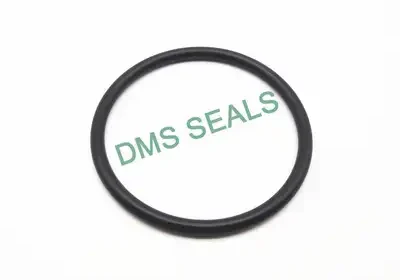
O-rings are small components that perform an essential function in industrial equipment: preventing fluids and gases from escaping through connected surfaces. They are widely used in hydraulic machinery, automotive systems, pumps, valves, manufacturing equipment, and many other applications. Although their design is relatively simple, their quality can directly influence equipment performance, maintenance requirements, and operational safety.
When sourcing these components, choosing a reliable O Ring Seal Supplier is about more than finding the right size at a competitive price. Product quality should be a primary consideration because material consistency, dimensional accuracy, and manufacturing standards all affect how effectively an O-ring performs. Understanding these factors helps businesses make better purchasing decisions and avoid unnecessary equipment problems.
How O-Ring Quality Affects Sealing Performance
An O-ring creates a seal by compressing against the surfaces of a groove and its mating component. This compression allows the elastomer to prevent fluid or gas from passing through the connection.
For the seal to work correctly, its dimensions and material properties must match the application. A poorly manufactured O-ring may have inconsistent thickness, inadequate elasticity, or surface defects that interfere with sealing contact.
These problems can lead to:
- Fluid or gas leakage.
- Premature wear and deformation.
- Increased maintenance requirements.
- Equipment downtime.
- Damage to surrounding components.
- Higher replacement and operating costs.
Consistent product quality reduces these risks and helps equipment operate as intended.
1. Material Quality Determines Application Suitability
One of the most important aspects of an O-ring is the rubber compound used in its production. Different materials have different resistance properties, and selecting an unsuitable compound can cause the seal to deteriorate during operation.
A dependable supplier should offer appropriate material options and help customers understand their characteristics.
NBR (Nitrile Rubber)
NBR is commonly used in applications involving petroleum-based oils and fuels. It is frequently found in automotive systems, hydraulic equipment, and general industrial machinery.
FKM (Fluorocarbon Rubber)
FKM offers good resistance to many oils, fuels, chemicals, and elevated temperatures. It is often considered for demanding industrial and automotive applications.
EPDM
EPDM is suitable for many water-based environments and provides good resistance to weathering and ozone. It is commonly used in water systems and HVAC equipment.
Silicone
Silicone is valued for its flexibility across a broad temperature range. Depending on the compound, it may be used in electrical equipment, industrial assemblies, and selected medical or food-related applications.
Neoprene
Neoprene provides a balance of properties, including resistance to weathering and certain oils and chemicals. It is used in various general-purpose industrial applications.
A quality-focused supplier should consider the actual operating fluid, temperature, pressure, and environmental conditions before recommending a material.
2. Dimensional Accuracy Ensures Proper Installation
Even an O-ring made from a suitable material can fail if its dimensions are incorrect. The inner diameter, outer diameter, and cross-sectional thickness must match the equipment design.
An oversized or undersized seal may create installation difficulties or produce an incorrect compression level. Excessive compression can accelerate wear, while insufficient compression may allow leakage.
When evaluating a supplier, check whether it maintains clear dimensional specifications and uses suitable inspection equipment.
For specialized applications, manufacturers should also be able to work from technical drawings and agreed tolerances. This is particularly important when purchasing replacement seals for equipment with precise groove dimensions.
3. Manufacturing Processes Influence Product Consistency
The quality of an O-ring depends not only on the raw material but also on how it is manufactured. Common production methods include compression molding, injection molding, and transfer molding.
Each process involves specific requirements for temperature, pressure, curing, and tooling. Inconsistent production conditions can result in defects such as incomplete molding, excessive flash, or variations in the finished product.
A reliable supplier should work with manufacturers that follow controlled production procedures and monitor important process variables.
This helps maintain consistency across individual products and repeat orders, which is especially valuable for businesses purchasing O-rings in large quantities.
4. Quality Testing Helps Identify Potential Defects
Product inspection is an important part of ensuring that O-rings meet their intended specifications. A visual check alone may not reveal problems with hardness, elasticity, or long-term compression behavior.
Depending on the application, useful quality checks may include:
| Quality test | What it evaluates |
|---|---|
| Dimensional inspection | Inner diameter, outer diameter, and cross-section |
| Hardness testing | Resistance to indentation |
| Tensile testing | Material strength under stretching |
| Elongation testing | Ability to stretch before breaking |
| Compression set testing | Ability to recover after prolonged compression |
| Visual inspection | Surface defects, cuts, cracks, and molding issues |
Not every product requires every test. The appropriate inspection plan should be based on the material, operating conditions, and customer specifications.
Buyers should ask suppliers what testing is performed and whether relevant reports are available.
5. Consistent Quality Reduces Maintenance Costs
The purchase price of an O-ring is only one part of its overall cost. If a seal fails prematurely, businesses may need to pay for replacement parts, maintenance labor, equipment downtime, and additional production delays.
For example, a poorly performing seal in a hydraulic system may cause fluid leakage and reduce operating efficiency. Replacing it can involve more than the cost of the component itself, particularly if equipment must be taken out of service.
Higher-quality O-rings that meet the correct specifications can help reduce these avoidable expenses. Their value comes from dependable performance and fewer unexpected replacements, rather than simply from their initial price.
6. Reliable Suppliers Provide Clear Quality Documentation
Documentation helps buyers understand what they are purchasing and how products have been verified.
Depending on the application and supplier’s quality system, useful documents may include:
- Material specifications and compound information.
- Product dimensional drawings.
- Inspection reports.
- Relevant material test results.
- Batch identification and traceability records.
- Applicable quality certifications.
For example, ISO 9001 certification indicates that an organization has a quality management system based on defined requirements. However, certification alone does not prove that every O-ring meets a particular application’s technical specifications.
Customers should confirm that the supplied product documentation addresses the requirements of their equipment.
7. Product Quality Is Especially Important in Critical Industries
Some industries have particularly demanding sealing requirements because component failure can affect safety, product integrity, or continuous operations.
Automotive and Transportation
O-rings in automotive systems may encounter fuels, lubricants, temperature fluctuations, and vibration. Consistent dimensions and suitable material resistance are important for dependable performance.
Food and Beverage Processing
Seals used in food-processing equipment may need to meet specific food-contact requirements and withstand cleaning procedures. Buyers should verify the suitability and documentation of the exact rubber compound.
Medical Equipment
Medical applications may require controlled material selection, traceability, and compliance with relevant regulatory or biocompatibility requirements. The necessary evidence depends on the device and its intended use.
Oil, Gas, and Chemical Processing
These environments may expose O-rings to high pressures, elevated temperatures, and aggressive substances. Chemical compatibility and application-specific performance testing are important considerations.
In each industry, product quality should be evaluated against the actual requirements rather than general claims about durability.
8. How to Evaluate an O-Ring Seal Supplier
Selecting a supplier requires looking beyond the product catalogue. Buyers should assess whether the supplier can provide the technical support, product consistency, and service reliability their operations require.
Consider the following questions:
- What material options are available? Check whether the supplier can provide compounds suitable for your operating environment.
- How is product quality verified? Ask about dimensional checks, material testing, and visual inspection.
- Can you source custom O-rings? Confirm whether non-standard dimensions and specialized specifications can be accommodated.
- What documentation is provided? Request available material information and inspection records.
- Can you maintain consistent repeat orders? Discuss batch control and product specifications.
- Are delivery schedules dependable? Understand typical lead times and the supplier’s ability to handle larger quantities.
- Is technical assistance available? A supplier should be able to discuss product requirements and help clarify specification questions.
Requesting samples before approving a large order can also help buyers assess product dimensions, material characteristics, and overall suitability.
9. Why Long-Term Supplier Relationships Matter
A dependable supplier can contribute to more efficient purchasing and maintenance operations over time. Once product specifications and quality expectations are established, repeat orders become easier to manage.
Long-term cooperation can also improve communication about material changes, custom requirements, production schedules, and quality concerns.
Businesses should periodically review supplier performance by examining product defects, delivery reliability, responsiveness, and consistency between batches. This helps ensure that the relationship continues to meet operational needs.
Conclusion
Product quality is one of the most important factors when choosing an O-ring seal supplier. Material suitability, dimensional accuracy, controlled manufacturing, and proper inspection all influence the performance and service life of sealing components.
Although comparing prices is a normal part of procurement, businesses should also consider quality documentation, technical knowledge, customization capabilities, and delivery reliability. Choosing a supplier that prioritizes consistent product standards can help reduce leakage risks, limit maintenance expenses, and support dependable equipment operation over the long term.