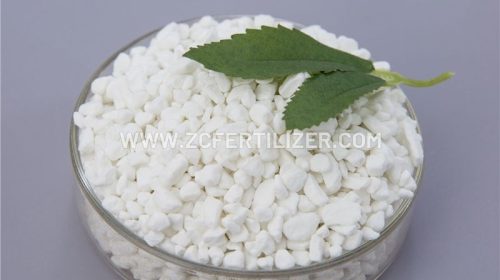
Magnesium is an essential plant nutrient that plays a central role in photosynthesis, enzyme activation, and several important metabolic processes. When crops do not receive enough magnesium, their growth and productivity can suffer. Deficiency may appear as yellowing between the veins of older leaves, reduced plant vigor, and poor crop development. Agriculture-grade magnesium sulfate is a widely used fertilizer material that helps address this problem by supplying readily available magnesium along with sulphur.
For farmers and agricultural businesses, selecting a suitable Magnesium Sulfate Agriculture Grade product can support balanced crop nutrition and improve nutrient management. Its water solubility makes it useful in different application methods, including soil application, fertigation, and foliar feeding when recommended for the crop. Understanding how this fertilizer works and when to apply it can help growers respond more effectively to magnesium deficiency.
Understanding Magnesium Deficiency in Crops
Magnesium deficiency occurs when plants cannot obtain enough available magnesium from the soil to meet their nutritional requirements. Although magnesium may be present in the soil, its availability can be affected by soil conditions, nutrient imbalances, and environmental factors.
Because magnesium is mobile within plants, deficiency symptoms commonly appear first on older leaves. The plant can move magnesium from older tissues to younger, actively growing parts when supplies become limited.
Common Signs of Magnesium Deficiency
Farmers should watch for several symptoms that may indicate insufficient magnesium:
- Interveinal chlorosis: Yellowing develops between the veins of older leaves while the veins may remain green.
- Reduced photosynthesis: Lower chlorophyll levels can limit the plant’s ability to capture sunlight.
- Leaf deterioration: Severe deficiency may lead to brown patches, leaf curling, or premature leaf drop.
- Slower growth: Plants may show reduced vigor and weaker development.
- Lower crop performance: Persistent deficiency can affect flowering, fruit development, and final yield, depending on crop type and severity.
These symptoms can resemble those caused by other nutrient deficiencies or environmental stress. Soil testing, plant tissue analysis, and field observations can help confirm the cause before treatment.
Why Magnesium Is Important for Plant Growth
Magnesium performs several essential functions throughout the plant life cycle.
Supports Chlorophyll Formation
Magnesium is the central atom in the chlorophyll molecule, which plants use to absorb light during photosynthesis. Adequate magnesium helps maintain healthy green foliage and supports the production of energy needed for growth.
Activates Plant Enzymes
Many plant enzymes require magnesium for normal activity. These enzymes participate in processes related to carbohydrate metabolism, energy transfer, and protein synthesis.
Helps Transport and Use Energy
Magnesium supports the function of ATP, a molecule involved in energy transfer within plant cells. This makes it important for numerous physiological processes.
Contributes to Crop Development
Healthy magnesium nutrition supports leaf function, root activity, and overall plant development. Maintaining an appropriate nutrient balance can help crops use other essential nutrients efficiently.
How Agriculture-Grade Magnesium Sulfate Corrects Deficiency
Agriculture-grade magnesium sulfate provides magnesium in a soluble form that plants can absorb through their roots or leaves, depending on the application method.
Magnesium sulfate heptahydrate, commonly represented by the chemical formula MgSO₄·7H₂O, also supplies sulphur. Both nutrients contribute to important plant functions.
Provides Readily Available Magnesium
When applied to suitable soil or dissolved for an appropriate fertilizer application, magnesium sulfate releases magnesium ions into the surrounding solution. Plant roots can absorb these ions and transport magnesium to different tissues.
This helps replenish magnesium supplies when soil availability is insufficient.
Supplies Essential Sulphur
Sulphur is required for the formation of certain amino acids, proteins, and enzymes. Providing magnesium and sulphur together can support balanced nutrition when both nutrients are needed.
Supports Chlorophyll Recovery
When magnesium deficiency is correctly identified and treated, new plant growth may develop healthier foliage. Existing damaged leaves may not always return to their original condition, particularly when deficiency has been severe or prolonged.
Helps Maintain Nutrient Balance
Magnesium sulfate can be useful in soils where magnesium availability is limited or where excessive levels of other nutrients, such as potassium or calcium, interfere with magnesium uptake. Soil testing is important to determine whether magnesium application is appropriate.
Common Application Methods for Magnesium Sulfate
The best application method depends on crop type, soil characteristics, deficiency severity, and the fertilizer formulation.
1. Soil Application
Soil application introduces magnesium sulfate into the root zone, allowing plants to absorb dissolved magnesium through their roots.
This method may be suitable for fields with confirmed magnesium deficiency or soils that require magnesium supplementation. Application rates should be based on soil test results, crop requirements, and local agricultural recommendations.
2. Foliar Application
Foliar feeding involves applying a properly prepared fertilizer solution to plant leaves. Because magnesium sulfate is water-soluble, it can be used in foliar nutrition programs when the product label and crop-specific guidance support this method.
Foliar application can provide a targeted nutrient supplement, but concentration and application timing must be carefully controlled to avoid leaf injury. It should not automatically replace soil management where the underlying problem is insufficient soil magnesium.
3. Fertigation
Fertigation delivers dissolved nutrients through an irrigation system. Magnesium sulfate may be suitable for this approach when the product meets the system’s solubility and water-quality requirements.
Before use, growers should check compatibility with other fertilizers and confirm that the solution will not create precipitation or clogging problems.
Which Crops Can Benefit from Magnesium Sulfate?
Many agricultural crops require magnesium for healthy growth. The potential benefit of magnesium sulfate depends on whether the crop is deficient or has an increased nutrient requirement.
| Crop Category | Role of Magnesium |
|---|---|
| Cereals | Supports chlorophyll production and normal leaf function |
| Vegetables | Contributes to photosynthesis and vegetative development |
| Fruits | Supports leaf health and balanced crop nutrition |
| Oilseed crops | Participates in energy metabolism and plant development |
| Legumes | Supports photosynthesis and general metabolic activity |
| Commercial horticultural crops | Helps maintain healthy foliage and nutrient balance |
Crops grown in sandy, acidic, or heavily leached soils may be more vulnerable to magnesium deficiency. However, local soil conditions and crop nutrient requirements should guide fertilizer decisions.
Factors to Consider When Selecting Agriculture-Grade Magnesium Sulfate
Choosing a suitable fertilizer product is important for achieving consistent application results.
Chemical Composition
Confirm whether the product is magnesium sulfate heptahydrate or another form. These forms differ in water content and nutrient concentration, so their application rates should not be treated as interchangeable.
Purity and Quality
Review the declared magnesium and sulphur content, relevant impurity limits, and product specifications. A Certificate of Analysis can help verify the quality of a particular batch.
Solubility and Physical Form
The product may be supplied as crystals, granules, or powder. Buyers should choose a form that suits their storage facilities, fertilizer blending process, and intended application method.
Packaging and Storage
Suitable packaging helps protect the fertilizer during transportation and storage. Keep the material in a clean, dry location and follow the manufacturer’s storage recommendations to reduce contamination and handling problems.
Supplier Reliability
Agricultural buyers should assess production capacity, quality control procedures, technical documentation, delivery performance, and customer support before committing to large orders.
Best Practices for Effective Magnesium Management
Applying magnesium sulfate is most effective when it forms part of a balanced crop nutrition plan.
- Test soil before application to identify nutrient deficiencies and possible imbalances.
- Use plant tissue analysis when field symptoms require further investigation.
- Select the correct magnesium sulfate form for the intended application.
- Follow recommended application rates rather than applying excessive quantities.
- Consider soil pH and the availability of other nutrients.
- Check compatibility before mixing magnesium sulfate with other fertilizers.
- Monitor crop condition after application and adjust the nutrient program when necessary.
Excessive magnesium application can disturb nutrient balance and may affect the availability or uptake of other nutrients. A measured approach based on soil and crop requirements is therefore preferable.
Conclusion
Agriculture-grade magnesium sulfate is a useful fertilizer source for correcting magnesium deficiency and supplying additional sulphur to crops. Magnesium supports chlorophyll formation, photosynthesis, enzyme activity, and energy metabolism, making it essential for healthy plant development.
By identifying deficiency symptoms, testing soil and plant tissues, selecting an appropriate product, and applying it through a suitable method, growers can improve magnesium management and support balanced crop nutrition. Consistent product quality and responsible fertilizer use are key factors in achieving reliable agricultural results.