Tissue culture propagation has made it easier for nurseries and plant enthusiasts to access a wider range of Philodendron varieties. Young plants produced through laboratory cultivation can offer excellent potential for further growth, but they need special attention when transferred from sterile culture conditions to a greenhouse or home growing environment. This transition, known as acclimatization or hardening off, is an essential stage in successful tropical plant cultivation.
When purchasing Tissue Culture Philodendron plants, growers should understand that newly removed plantlets may be sensitive to changes in humidity, light, airflow, and moisture. A gradual transition helps them develop stronger roots and leaves while adapting to normal growing conditions. Following a consistent acclimatization process can improve plant establishment and reduce avoidable losses.
1. Understand Why Acclimatization Is Necessary
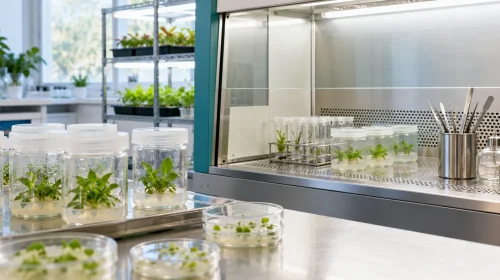
Philodendron plantlets grown in laboratory vessels develop under conditions that differ considerably from those in a greenhouse or nursery. They typically receive controlled lighting, a nutrient-rich culture medium, and consistently high humidity.
Their leaves and roots may not initially be adapted to the lower humidity and greater airflow found outside culture vessels. If transferred directly into normal growing conditions, plantlets can experience excessive water loss, leaf damage, or transplant stress.
Acclimatization gives plants time to adjust to their new surroundings. During this process, they gradually develop the ability to regulate water loss and establish roots in a conventional growing medium.
The main objectives are to:
- Reduce stress during the transition from laboratory to nursery conditions.
- Encourage healthy root development.
- Support the formation of new leaves.
- Improve tolerance to normal humidity and airflow.
- Establish plants for further greenhouse cultivation.
Understanding these needs helps growers avoid rushing the transition.
2. Prepare the Growing Area Before Receiving Plantlets
A suitable growing area should be ready before tissue culture plants are removed from their containers. Preparing the environment in advance reduces unnecessary handling and allows the plants to be transferred promptly.
A clean propagation area with stable temperature, controlled humidity, and gentle lighting is generally suitable for early acclimatization.
Before starting, growers should prepare:
- Clean propagation trays or small pots.
- Suitable growing medium.
- Clean water and watering equipment.
- Transparent humidity covers or a propagation enclosure.
- Temperature and humidity monitoring equipment.
- Clean tools for handling plantlets.
The growing area should also have adequate ventilation. High humidity is useful during early recovery, but stagnant air and excessive moisture can increase the risk of fungal problems.
3. Remove Plantlets Carefully from Culture Containers
Handling is one of the first important steps in acclimatization. Young Philodendron plantlets can be delicate, so they should be removed carefully to avoid damaging leaves, stems, or roots.
If plants arrive in sealed culture vessels, open them in a clean working area. Gently remove each plantlet and separate it from neighboring plants without pulling forcefully on the roots.
Culture medium may remain attached to the root system. Rinse it away gently with clean water when appropriate, taking care not to break delicate roots.
During this stage:
- Handle plants by their stronger leaf or stem structures rather than pulling on the roots.
- Separate tangled roots carefully.
- Remove damaged plant material if necessary.
- Keep plantlets shaded while preparing them for planting.
- Avoid leaving exposed roots to dry out.
If plants arrive already removed from culture vessels, follow the supplier’s handling instructions and inspect their condition before transplanting.
4. Choose a Suitable Growing Medium
The growing medium plays an important role in root establishment. Tissue culture Philodendrons need a medium that provides moisture while allowing sufficient air to reach the roots.
A dense or waterlogged medium can reduce oxygen availability and increase the risk of root damage. On the other hand, a medium that dries too quickly may place additional stress on young plants.
Many growers use a light, well-draining mixture containing materials such as:
- Coco coir for moisture retention.
- Perlite for improved aeration.
- Fine orchid bark for structure and drainage.
- Suitable propagation substrates for early root development.
The exact mixture should depend on the Philodendron variety, plantlet size, container type, and growing environment.
Use clean containers with drainage holes. Small pots or propagation trays are often practical because they allow growers to monitor moisture and root development more easily.
5. Maintain High Humidity During Early Acclimatization
Humidity management is one of the most important parts of acclimatizing tissue culture plantlets. Laboratory-grown plants may lose moisture quickly when exposed to normal greenhouse air.
During the initial stage, growers can use transparent covers, humidity domes, or enclosed propagation areas to maintain a humid environment.
However, high humidity should not mean completely stagnant air. Gentle ventilation is necessary to help prevent excessive condensation and reduce disease risks.
A practical approach includes:
- Maintaining relatively high humidity during the first stage.
- Checking plants regularly for wilting or leaf damage.
- Allowing controlled air exchange.
- Avoiding water accumulation around the plant base.
- Gradually reducing humidity as plants become established.
The duration of this stage varies according to plant condition and environmental conditions. Growers should judge readiness by plant response rather than following a rigid timetable.
6. Provide Gentle and Appropriate Lighting
Newly acclimatizing Philodendrons should not be exposed immediately to strong direct sunlight. Their leaves may be sensitive to sudden increases in light intensity, particularly after growing inside culture vessels.
Bright, indirect light is generally a suitable starting point. A shaded greenhouse area or controlled propagation space can provide a more stable environment.
As plantlets develop stronger roots and begin producing new leaves, light exposure can be increased gradually if the variety requires it.
Growers should monitor foliage for signs of excessive or insufficient light. Bleached patches, leaf scorching, and unusual stretching may indicate that lighting conditions need adjustment.
Variegated Philodendron varieties may require additional attention because their foliage can respond differently to light conditions.
7. Water Carefully and Avoid Overwatering
Young plantlets require consistent moisture, but their roots can be vulnerable to poor drainage and excessive watering.
During early acclimatization, growers should maintain an evenly moist growing medium without allowing it to become saturated. Watering frequency depends on the substrate, container size, humidity, temperature, and airflow.
Useful watering practices include:
- Check the moisture level before adding water.
- Use clean water of suitable quality.
- Apply water gently to avoid disturbing small plants.
- Ensure excess water can drain freely.
- Reduce watering when the growing medium remains wet for longer periods.
Overwatering can contribute to root problems, especially in humid environments. Regular observation is more reliable than following a fixed watering schedule.
8. Monitor Temperature and Air Circulation
Philodendrons are tropical plants, so stable, warm growing conditions generally support healthy development. Sudden temperature fluctuations can increase stress during acclimatization.
Growers should monitor temperature in the propagation area and avoid exposing young plantlets to cold drafts, excessive heat, or direct hot airflow.
Air circulation also needs careful management. Gentle movement helps reduce stagnant conditions, but strong fans directed at newly transplanted plantlets may cause excessive moisture loss.
As plants become established, ventilation can be increased gradually. This helps them adapt to the conditions they will experience during later greenhouse cultivation.
9. Begin Fertilization Only When Plants Are Established
Newly transplanted tissue culture Philodendrons should not receive heavy fertilizer applications immediately. Their root systems may still be adjusting, and excessive nutrients can damage delicate roots.
During the earliest stage, the priority should be successful establishment rather than rapid growth.
Once plants show signs of recovery, such as new root development and fresh leaf growth, growers can introduce a suitable diluted fertilizer according to product instructions.
A balanced feeding approach should consider:
- Plant development stage.
- Growing medium composition.
- Water quality.
- Variety-specific requirements.
- Existing nutrient availability.
Avoid increasing fertilizer concentration simply to accelerate growth. Healthy root development and stable environmental conditions are more important during early establishment.
10. Recognize Signs of Successful Acclimatization
Regular inspection helps growers determine whether plants are adapting successfully. Healthy plantlets generally show stable foliage, developing roots, and gradual new growth.
Positive signs may include:
- Leaves maintaining good color and firmness.
- New leaves appearing over time.
- Roots establishing in the growing medium.
- Reduced dependence on enclosed humidity conditions.
- No persistent signs of wilting or tissue damage.
Some temporary adjustment may occur after transplanting. However, persistent yellowing, stem deterioration, or root discoloration should be investigated.
Keeping simple records of plant condition and environmental settings can help growers identify problems and improve future acclimatization batches.
11. Gradually Reduce Humidity Covers
Once Philodendron plantlets begin showing healthy new growth, they can gradually adapt to lower humidity and more normal airflow.
Removing a humidity cover too quickly can cause sudden water loss. Instead, growers should increase ventilation in stages.
For example, they can begin by opening enclosure vents for short periods, then gradually extend the ventilation time as plants respond well. The cover can be removed once the plants maintain healthy foliage under the new conditions.
The speed of this process depends on plant variety, root development, greenhouse conditions, and overall plant health.
12. Transfer Established Plants to Larger Containers When Needed
After successful acclimatization, Philodendrons can continue growing in their initial containers until their root systems and foliage development indicate that more space is needed.
Moving plants too early may disturb developing roots, while keeping them in undersized containers for too long can restrict growth.
Before transplanting, check whether roots have developed sufficiently and whether the plant is growing actively.
When moving plants to larger containers:
- Choose a pot with suitable drainage.
- Use a well-aerated growing medium.
- Handle roots gently.
- Maintain consistent moisture after transplanting.
- Avoid sudden changes in light and temperature.
Container selection should also reflect the plant’s growth habit. Climbing varieties may eventually need support, while creeping varieties require room for their horizontal growth.
13. Common Acclimatization Mistakes to Avoid
Even when growers use good-quality plantlets, mistakes during acclimatization can reduce survival rates and slow development.
Some common problems include:
Removing humidity covers too early: Sudden exposure to dry air can cause wilting and leaf stress.
Using poorly drained growing media: Excess moisture can reduce root oxygen and increase the risk of root damage.
Providing strong direct sunlight: Young leaves may suffer from scorching or discoloration.
Applying fertilizer too soon: Delicate roots may be sensitive to concentrated nutrients.
Handling roots roughly: Physical damage can delay establishment.
Ignoring ventilation: Stagnant, excessively humid conditions may encourage disease.
Using a fixed care schedule for every variety: Different Philodendrons may respond differently to the same conditions.
Careful observation and gradual environmental adjustments are more effective than making several major changes at once.
14. Keep Records to Improve Future Growing Results
For commercial nurseries, acclimatization is not just a one-time care activity. It is an important production stage that should be monitored and improved over time.
Keeping records helps growers compare different batches and identify the conditions associated with better establishment.
Useful information to record includes:
- Variety and supplier details.
- Arrival date and initial plant condition.
- Growing medium and container type.
- Temperature and humidity readings.
- Watering and fertilizer practices.
- Date of humidity cover removal.
- Root and foliage development.
- Plant survival and losses.
These records can help nurseries refine their procedures, estimate production requirements, and manage larger batches more effectively.
Conclusion
Acclimatizing tissue culture Philodendron plants requires patience, careful handling, and gradual adjustments to growing conditions. Preparing a clean growing area, selecting an appropriate medium, maintaining suitable humidity, providing gentle light, and managing water carefully all contribute to successful establishment.
The transition should be guided by the condition and development of the plants rather than a fixed schedule. By monitoring roots, foliage, and environmental conditions throughout the process, plant collectors and commercial nurseries can give young Philodendrons a stronger start and support healthy growth over the long term.