Maintaining clean and stable water is essential for successful fish farming, particularly in recirculating aquaculture systems (RAS). Fish continuously release waste, while uneaten feed and other organic materials accumulate in the water. If these particles are not removed efficiently, they can affect water quality, increase the load on biological filtration equipment, and create unfavorable conditions for aquatic animals. Effective mechanical filtration is therefore a critical part of maintaining a healthy and productive aquaculture environment.
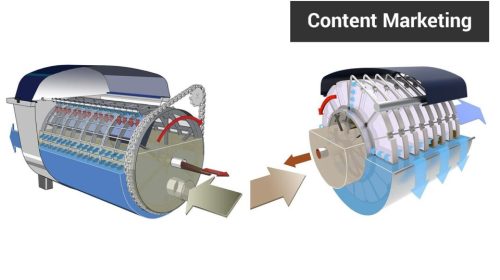
A Drum Filter Aquaculture system provides mechanical filtration by removing suspended solids from circulating water. It typically uses a rotating cylindrical drum fitted with a fine filter screen to capture particles while allowing water to pass through. As the drum rotates, an automatic cleaning mechanism removes accumulated waste and directs it into a collection channel. This continuous filtration process helps reduce solid waste in the system and supports the performance of other water treatment components.
What Is a Drum Filter in Aquaculture?
A drum filter is a mechanical filtration device commonly used in fish farming and recirculating aquaculture systems. It consists of a cylindrical drum covered with a screen or mesh, which separates suspended particles from water.
The filter is generally installed before biological filtration equipment. As water flows through the drum screen, particles such as fish waste, uneaten feed, and organic debris are retained on the surface. The filtered water then moves toward the next treatment stage.
Drum filters are available in different sizes and configurations to accommodate varying water flow rates, fish stocking densities, and filtration requirements. Their automatic cleaning systems make them particularly useful in aquaculture facilities that require continuous operation.
How an Aquaculture Drum Filter Works
A drum filter operates through a combination of mechanical screening, automatic rotation, and screen cleaning.
1. Water Enters the Filter
Water from fish tanks or aquaculture channels enters the drum filter housing. The system directs the incoming water toward the rotating drum, where mechanical separation takes place.
2. Suspended Solids Are Captured
Water passes through the fine screen covering the drum. Solid particles larger than the screen openings remain on the surface, while filtered water passes through.
Common materials captured include:
- Fish feces and organic waste
- Uneaten fish feed
- Suspended organic particles
- Other debris circulating in the water
The filtration efficiency depends on screen mesh size, particle characteristics, water flow, and operating conditions.
3. Water Moves to the Next Treatment Stage
After passing through the screen, filtered water flows out of the drum filter and continues through the recirculating system.
It may then enter biological filtration units, aeration equipment, oxygenation systems, or other treatment components, depending on the facility’s design.
4. Automatic Screen Cleaning
As solids accumulate, the water level difference across the screen increases. A level sensor or control mechanism can activate the cleaning cycle.
The drum rotates while spray nozzles wash the retained particles from the screen. This helps restore the screen’s filtration capacity and reduces the risk of blockage.
5. Waste Is Discharged
The removed solids are directed into a collection trough and discharged from the filtration unit.
Separating these materials from the circulating water helps prevent them from breaking down and contributing additional organic loading to the aquaculture system.
Why Water Quality Is Important in Recirculating Aquaculture Systems
Recirculating aquaculture systems reuse water by passing it through several treatment stages before returning it to fish tanks. This approach can reduce water consumption and provide greater control over the farming environment.
However, continuous water reuse also means that waste must be removed and water quality carefully monitored.
Fish waste and uneaten feed can contribute to suspended solids, ammonia production, and increased biological oxygen demand. If organic particles remain in the system, their decomposition can place additional pressure on biological filters and other treatment equipment.
Mechanical filtration helps address this problem by removing suspended solids before they accumulate or break down further. It is therefore an important part of maintaining stable water conditions.
Key Benefits of Using a Drum Filter in Aquaculture
1. Effective Removal of Suspended Solids
One of the primary benefits of a drum filter is its ability to capture suspended particles from circulating water.
Removing fish waste, uneaten feed, and organic debris helps reduce visible solids and supports better water clarity. It also limits the amount of particulate material entering downstream treatment units.
2. Supports Biological Filtration
Biological filters use beneficial microorganisms to convert harmful nitrogen compounds, including ammonia, into less harmful substances through processes such as nitrification.
Excessive suspended solids can interfere with biological filtration by increasing organic loading and encouraging unwanted deposits.
A drum filter removes a portion of this particulate material before it reaches the biological treatment stage, helping maintain more favorable operating conditions.
3. Reduces Organic Waste Accumulation
Organic particles that remain in aquaculture water can gradually decompose and release additional dissolved substances.
By capturing and discharging solid waste early, drum filtration helps reduce the amount of organic material circulating through the system.
4. Automatic and Continuous Operation
Many aquaculture drum filters use sensors and automatic cleaning mechanisms to maintain filtration performance.
The system can initiate cleaning when accumulated solids restrict water passage. This reduces the need for frequent manual screen cleaning and supports continuous operation.
5. Protects Downstream Equipment
Suspended solids can accumulate in pipes, pumps, biological filters, and other water treatment components.
Removing these particles at an earlier stage helps reduce the risk of clogging and unnecessary maintenance, supporting more reliable operation throughout the recirculating system.
6. Helps Maintain a Suitable Fish-Farming Environment
Poor water quality can contribute to stress and unfavorable conditions for aquatic animals.
Although a drum filter does not control every water quality parameter, effective removal of suspended solids supports a cleaner environment and complements other treatment processes.
7. Supports Water Reuse
Mechanical filtration helps remove particulate waste from water before it returns to fish tanks.
When combined with biological filtration, aeration, oxygenation, and appropriate water quality management, drum filtration contributes to efficient water recirculation.
Applications of Drum Filters in Aquaculture
Drum filters are suitable for different aquaculture operations where continuous removal of suspended solids is necessary.
Recirculating Aquaculture Systems
In RAS facilities, water continuously moves between fish tanks and treatment equipment. Drum filters are commonly installed as a primary mechanical filtration stage to remove suspended particles before biological treatment.
Commercial Fish Farms
Commercial fish farms often operate at relatively high stocking densities, producing significant quantities of organic waste.
A properly sized drum filter can help manage this solids load and support consistent filtration across the production cycle.
Shrimp Farming
Shrimp farming systems generate uneaten feed, fecal matter, and other suspended organic particles.
Drum filtration can help remove suitable solids from circulating water, supporting cleaner operating conditions and reducing the load on additional treatment equipment.
Hatcheries and Fish Nurseries
Hatcheries and nursery systems may require careful water quality management because young aquatic animals can be sensitive to environmental changes.
Appropriately selected mechanical filtration can help remove suspended particles while supporting the operation of other water treatment components.
Ornamental Fish Facilities
Aquariums, ornamental fish farms, and specialized aquatic facilities often use recirculating systems to maintain stable water conditions.
Drum filters can provide continuous mechanical filtration where the system’s flow rate and particle characteristics are compatible with the equipment.
Factors to Consider When Selecting an Aquaculture Drum Filter
Choosing the correct drum filter is important for maintaining reliable filtration and avoiding unnecessary operating costs.
1. Water Flow Rate
The filter must accommodate the total water flow passing through the treatment system.
Selection should consider normal operating flow, peak demand, and the hydraulic requirements of the aquaculture facility. An undersized unit may struggle to maintain adequate filtration during periods of high flow.
2. Screen Mesh Size
The mesh size determines the approximate particle size that the filter can capture.
Fine screens can remove smaller suspended particles, but they may require more frequent cleaning and suitable hydraulic design. The ideal mesh size depends on fish species, stocking density, waste characteristics, and downstream treatment requirements.
3. Fish Stocking Density
Higher stocking densities generally produce greater quantities of fish waste and uneaten feed.
The filter should be selected according to the expected solids load rather than water flow alone. Feed rates and fish growth stages should also be considered.
4. Drum Dimensions and Filtration Area
Drum diameter and length influence the available filtration surface.
A larger filtration area may be needed for facilities with higher flow rates or greater suspended solids concentrations. The equipment should also fit the available installation space.
5. Automatic Cleaning System
The cleaning mechanism should reliably remove accumulated particles from the screen.
Important considerations include spray pressure, nozzle arrangement, sensor operation, and the availability of cleaning water. Easy access to cleaning components can also simplify routine maintenance.
6. Construction Materials
Aquaculture equipment operates in continuous contact with water and organic waste.
Materials should provide suitable corrosion resistance, structural strength, and compatibility with the operating environment. Stainless steel and appropriate engineered plastics may be used in different components, depending on the filter design.
7. Solids Discharge and Waste Management
The collected waste must be removed efficiently to prevent it from returning to the water.
The discharge arrangement should connect conveniently with a suitable collection tank, sludge handling system, or waste treatment process.
Maintenance Practices for Better Drum Filter Performance
Regular maintenance helps preserve filtration efficiency and extend equipment service life.
Recommended practices include:
- Inspect the filter screen: Check for damage, wear, or deposits that could affect particle separation.
- Clean spray nozzles: Remove blockages to maintain effective screen washing.
- Check the drum drive: Inspect the motor, gearbox, bearings, and other moving components.
- Monitor automatic controls: Ensure that sensors and cleaning cycles respond correctly to changing screen conditions.
- Inspect waste discharge: Confirm that collected solids are removed without unnecessary accumulation.
- Monitor water flow: Look for unusual changes that may indicate screen blockage or hydraulic problems.
- Review water quality: Monitor suspended solids and other relevant water quality parameters to assess overall system performance.
A preventive maintenance plan helps identify minor issues before they affect the operation of the aquaculture facility.
Drum Filter vs. Other Mechanical Filtration Methods
Different mechanical filtration technologies can be used in aquaculture, depending on the required particle removal and system design.
Drum Filter vs. Static Screen Filter
A static screen filter uses a fixed screening surface to separate particles from water. It may require periodic manual or automated cleaning.
A drum filter uses a rotating screen and an integrated cleaning mechanism, making it suitable for continuous filtration in many recirculating systems.
Drum Filter vs. Sand Filter
Sand filters pass water through granular media to capture suspended particles.
Drum filters use mechanical screening to retain particles on a mesh surface. They are often used for initial solids removal, while sand filters may provide additional filtration depending on the application.
Drum Filter vs. Biological Filter
A drum filter removes physical particles from water, whereas a biological filter uses microorganisms to convert dissolved nitrogen compounds.
These systems perform different functions and are commonly used together in RAS facilities to support overall water quality management.
How Drum Filtration Supports a More Efficient RAS
A well-designed recirculating aquaculture system depends on the coordinated operation of several treatment components.
Mechanical filtration removes suspended waste, biological filtration processes dissolved nitrogen compounds, and aeration or oxygenation equipment helps maintain suitable dissolved oxygen levels.
A drum filter supports this treatment sequence by reducing particulate loading before water reaches downstream equipment. This can help limit organic waste accumulation, reduce maintenance demands, and improve the operating conditions of other treatment stages.
However, mechanical filtration alone cannot maintain complete water quality. Parameters such as dissolved oxygen, ammonia, nitrite, pH, temperature, and alkalinity must also be monitored and managed through suitable treatment processes.
Conclusion
A drum filter plays an important role in maintaining water quality in recirculating aquaculture systems by continuously removing suspended solids such as fish waste, uneaten feed, and organic debris. Its rotating screen and automatic cleaning mechanism support consistent mechanical filtration while reducing the amount of particulate material entering downstream treatment equipment.
For reliable performance, aquaculture operators should consider water flow rate, screen mesh size, stocking density, filtration area, construction materials, and waste discharge requirements when selecting a system. When properly sized, installed, and maintained, a drum filter can support cleaner water, more effective biological filtration, and efficient operation of modern aquaculture facilities.