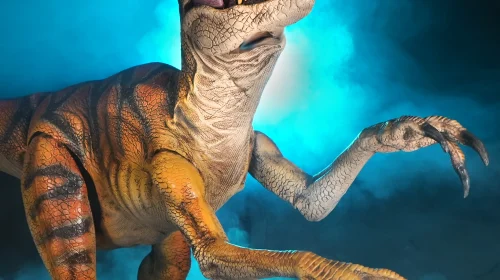
Interactive dinosaur exhibits bring prehistoric worlds to life by combining realistic creature designs, mechanical movement, sound effects, and visitor participation. Found in museums, science centers, theme parks, and family entertainment venues, these attractions offer more than traditional static displays. They encourage visitors to observe, explore, and engage with dinosaur figures through carefully designed experiences that make learning and entertainment more memorable.
A successful Interactive Dinosaur exhibit combines visual storytelling with practical technology to create an engaging environment for different age groups. Moving heads, animated jaws, sound effects, motion sensors, and educational activities can help visitors feel more connected to the prehistoric creatures being presented. However, effective exhibit design requires thoughtful planning, including suitable movement systems, visitor safety, educational content, and reliable operation.
What Makes a Dinosaur Exhibit Interactive?
An interactive dinosaur exhibit gives visitors opportunities to engage with a display rather than simply viewing it from a distance. Interaction can range from observing programmed movements to activating specific effects through buttons, sensors, or guided activities.
Depending on the project’s objectives, an exhibit may include:
- Animated dinosaur figures: Models with moving heads, jaws, tails, or limbs.
- Motion sensors: Systems that trigger selected actions when visitors approach.
- Sound effects: Dinosaur roars, footsteps, breathing sounds, and environmental audio.
- Interactive information stations: Displays that explain dinosaur species, habitats, anatomy, and behavior.
- Educational activities: Games, quizzes, and identification challenges.
- Themed environments: Landscapes and decorations that create a prehistoric atmosphere.
The right combination depends on the available space, intended audience, and educational or entertainment goals.
Using Realistic Movement to Bring Dinosaurs to Life
Movement is one of the most effective ways to make a dinosaur exhibit visually engaging. Even relatively simple mechanical actions can make a model appear more lifelike when they are designed and synchronized carefully.
Head and Neck Movement
A dinosaur that turns its head, raises its neck, or looks toward visitors can create a stronger sense of presence. These movements are particularly useful for large dinosaur models displayed in open exhibition areas.
The movement system should provide smooth, controlled motion that suits the creature’s anatomy and overall design.
Opening and Closing Jaws
Jaw movement is a recognizable feature in many animatronic dinosaur displays. When coordinated with roaring or breathing sounds, it can create the impression that the dinosaur is vocalizing.
The mechanical design should account for movement limits, component protection, and safe operation.
Tail and Body Movement
Tail movement can add personality and make an otherwise stationary figure feel more dynamic. Depending on the design, a tail may sway from side to side or move in coordinated sections.
Some installations also use subtle body movement to simulate breathing or changes in posture.
Walking and Limb Animation
More complex dinosaur attractions may include moving legs or walking effects. These systems require additional engineering to manage weight distribution, balance, mechanical loads, and movement coordination.
For many public exhibits, smaller synchronized movements can provide a convincing visual effect without requiring a fully mobile creature.
The Role of Sound and Lighting Effects
Sound and lighting help create an immersive environment by supporting the movements and visual details of dinosaur figures.
Dinosaur Sound Effects
Audio can communicate a creature’s personality and make programmed movements more convincing. Common sound elements include:
- Deep dinosaur roars.
- Low growling sounds.
- Heavy footsteps.
- Breathing and rumbling effects.
- Background sounds from prehistoric environments.
Sound should be synchronized with the corresponding actions whenever possible. A roar that begins as the dinosaur opens its mouth, for example, creates a more cohesive presentation.
Lighting Design
Lighting can highlight important features and guide visitor attention. Spotlights may emphasize the dinosaur’s head, body, or movement, while colored lighting can establish the atmosphere of a themed environment.
For indoor exhibitions, lighting should also support comfortable viewing and avoid excessive glare. Outdoor installations may require weather-appropriate lighting equipment and protected electrical connections.
Encouraging Visitor Participation
An interactive exhibit becomes more engaging when visitors have meaningful ways to participate. These activities should be easy to understand and suitable for the expected age groups.
Motion-Activated Displays
Sensors can detect visitor movement and trigger selected actions, such as a dinosaur turning its head, moving its tail, or producing a sound.
This creates an element of surprise and encourages visitors to approach and explore the exhibit.
Button-Controlled Activities
Simple control panels can allow visitors to activate sounds, lighting effects, or educational information. These interactions work particularly well in supervised museum and science center environments.
Controls should be clearly labeled, accessible, and designed for repeated public use.
Educational Challenges
Interactive quizzes and identification activities can encourage visitors to learn about different dinosaur species. For example, an exhibit might ask visitors to identify a dinosaur based on its teeth, body structure, diet, or habitat.
These activities connect entertainment with useful scientific information.
Guided Interactive Experiences
Staff-led demonstrations can introduce visitors to dinosaur anatomy, prehistoric environments, and the technology behind animatronic figures.
A guide might explain how a mechanical dinosaur moves its head or demonstrate how different sounds are synchronized with programmed actions.
Designing Dinosaur Exhibits for Different Age Groups
Visitors have different interests, abilities, and learning needs. An effective exhibit should consider these differences during the design process.
Young Children
Younger visitors often respond well to colorful dinosaur figures, friendly expressions, simple movements, and easy-to-use interactive features.
Designers should prioritize clear visual communication, appropriate sound levels, accessible layouts, and suitable supervision arrangements.
School-Age Children
School-age visitors may enjoy more detailed information about dinosaur species, anatomy, fossil discoveries, and prehistoric ecosystems.
Interactive identification activities, comparison displays, and guided demonstrations can make the experience both entertaining and educational.
Teenagers and Adults
Older visitors may appreciate more realistic dinosaur models, detailed scientific explanations, and information about animatronic engineering.
Exhibits can also include behind-the-scenes explanations of sculpting, mechanical systems, materials, and animation programming.
Combining Scientific Accuracy With Entertainment
One challenge in dinosaur exhibit design is balancing scientific information with imaginative presentation. Entertainment features can attract visitors, but the educational content should remain clear and reliable.
Accurate Dinosaur Representation
Where possible, dinosaur models should reflect established scientific knowledge about body proportions, skeletal structure, and known physical characteristics.
Since many details of dinosaur appearance remain uncertain, exhibits should distinguish scientific evidence from artistic interpretation.
Clear Educational Information
Information panels can explain the dinosaur’s scientific name, estimated size, diet, geological period, and fossil discoveries.
Simple diagrams and comparisons can make complex information easier to understand.
Prehistoric Habitat Design
The surrounding environment can help visitors understand where different dinosaurs lived. Plants, rocks, terrain, and environmental graphics can create a more complete exhibition setting.
The habitat design should be consistent with the educational theme and avoid presenting unsupported details as established facts.
Technology Behind Interactive Dinosaur Displays
Modern interactive dinosaur exhibits can use a combination of mechanical, electrical, and digital systems.
| Technology | Purpose in an exhibit |
|---|---|
| Motors and actuators | Create controlled movement in heads, jaws, tails, and limbs |
| Control systems | Coordinate movement sequences and programmed actions |
| Motion sensors | Detect visitor activity and trigger selected effects |
| Audio equipment | Play synchronized dinosaur sounds and environmental audio |
| LED lighting | Highlight features and support themed visual effects |
| Digital displays | Present educational information, animations, and interactive activities |
| Monitoring systems | Help operators supervise equipment and identify technical issues |
The technology should be selected according to the exhibit’s purpose and operating requirements. Adding more features does not automatically create a better experience; each element should contribute to visitor engagement or learning.
Safety Considerations for Interactive Dinosaur Attractions
Public interaction introduces additional responsibilities. Moving parts, electrical systems, visitor pathways, and equipment access must all be considered during the design and installation stages.
Important safety measures include:
- Protecting moving mechanisms from accidental contact.
- Providing suitable barriers around larger moving displays.
- Using stable foundations and secure mounting systems.
- Ensuring electrical components have appropriate protection.
- Setting movement limits and suitable emergency stopping procedures.
- Keeping walkways and emergency exits unobstructed.
- Providing clear operating instructions and supervision where necessary.
Interactive controls should also be designed to withstand repeated use. Equipment should be inspected regularly, and maintenance should follow manufacturer recommendations and applicable safety standards.
Planning the Layout of an Interactive Dinosaur Exhibition
A well-organized layout helps visitors move through the exhibit comfortably while discovering different attractions.
Consider dividing the exhibition into several connected zones:
- Welcome area: Introduce the prehistoric theme and explain what visitors can explore.
- Main dinosaur display: Feature one or more prominent models as the visual focus.
- Interactive activity zone: Provide buttons, sensors, quizzes, or supervised demonstrations.
- Educational section: Present information about dinosaur anatomy, species, and fossil discoveries.
- Discovery area: Include smaller models, comparisons, or additional learning activities.
- Rest and viewing space: Allow families and visitors to pause without obstructing circulation.
The layout should provide sufficient viewing distance around large models and accessible routes for visitors with different mobility needs.
Maintenance and Long-Term Performance
Interactive dinosaur exhibits often operate for extended periods and may experience frequent visitor use. Preventive maintenance helps protect their appearance, reliability, and safety.
A maintenance program should include:
- Inspecting mechanical components and moving joints.
- Testing sensors and interactive controls.
- Checking electrical connections and lighting systems.
- Reviewing sound synchronization and programmed movements.
- Cleaning exterior surfaces with suitable methods.
- Examining structural supports and mounting connections.
- Repairing worn or damaged components when necessary.
Operators should maintain records of inspections and repairs, especially for attractions with complex movement systems.
Conclusion
Interactive dinosaur exhibits combine realistic creature designs, mechanical movement, sound, lighting, and visitor participation to create engaging prehistoric experiences. They can transform museums, science centers, theme parks, and family attractions into environments where education and entertainment work together.
The most effective exhibits are built around a clear purpose. By balancing scientific accuracy, engaging movement, accessible activities, reliable technology, and appropriate safety measures, designers can create experiences that appeal to visitors of different ages. With thoughtful planning and ongoing maintenance, interactive dinosaur attractions can remain valuable features of educational and entertainment spaces for years to come.