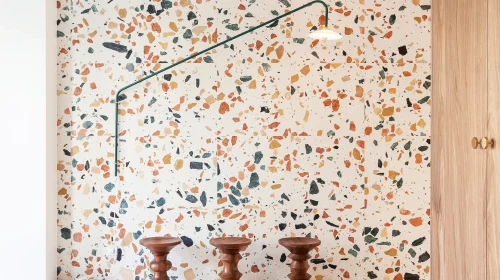
Travertine has remained a popular natural stone choice in architecture and interior design because of its distinctive texture, warm color variations, and timeless appearance. Formed through mineral deposits over long periods, this stone features natural pores, subtle veins, and tonal differences that give each tile an individual character. It can complement traditional, rustic, Mediterranean, and contemporary design styles when selected and installed appropriately.
Choosing a reliable Travertine Tiles Supplier is an important step for buyers who want consistent product information, suitable finishes, and dependable delivery arrangements. Natural stone varies from one quarry and production batch to another, so understanding its characteristics helps architects, contractors, distributors, and homeowners make informed decisions. A careful evaluation of stone quality, surface treatment, dimensions, and maintenance requirements can support successful architectural projects.
1. Understanding Travertine as a Natural Stone
Travertine is a type of limestone that forms when calcium carbonate minerals precipitate from mineral-rich water, often around springs and other geological environments. Its formation process creates the characteristic pores and layered patterns that distinguish it from many other natural stones.
The appearance of travertine depends on mineral content, geological conditions, and the location from which it is extracted. As a result, tiles may display variations in color, veining, texture, and pore distribution.
Common travertine colors include:
- Ivory and cream
- Beige and light tan
- Warm brown
- Silver and grey
- Gold and honey
- Walnut and darker earthy shades
These natural variations make travertine suitable for projects that seek an organic, understated appearance rather than a completely uniform manufactured finish.
2. Why Travertine Is Used in Architectural Design
Travertine offers a combination of natural character and design flexibility. Its warm tones can make interiors feel inviting, while its varied textures add depth to architectural surfaces.
Several characteristics contribute to its popularity.
Natural Appearance
Every travertine tile has its own mineral patterns and surface details. This variation can create visual interest across floors, walls, staircases, and other architectural features.
Versatile Color Options
The range of natural shades allows designers to coordinate travertine with wood, metal, glass, plaster, and other building materials.
Multiple Surface Treatments
Travertine can be processed into different finishes, including honed, polished, brushed, and tumbled surfaces. Each treatment creates a different visual and tactile effect.
Indoor and Selected Outdoor Applications
Depending on the stone’s characteristics, finish, climate, and installation system, travertine may be used in interior spaces and certain outdoor environments.
However, suitability should always be assessed according to the intended application and relevant performance requirements.
3. Travertine Tile Finishes and Their Design Effects
Surface finish plays a major role in determining how travertine looks and performs. Buyers should select a finish based on the desired appearance, cleaning requirements, and location of installation.
Honed Travertine
Honed travertine has a smooth, matte appearance with limited surface reflection. It is commonly used in contemporary interiors, bathrooms, and other spaces where a restrained natural look is preferred.
Its relatively smooth texture can make routine cleaning easier than with more heavily textured finishes, although the stone still requires appropriate care.
Polished Travertine
Polished travertine has a glossy surface that highlights mineral patterns and color variation. It can create a refined appearance in selected interior applications.
Because natural stone can be sensitive to certain substances, buyers should review sealing and maintenance recommendations before choosing a polished finish.
Brushed Travertine
Brushed finishes have a subtly textured surface created through mechanical treatment. They retain a natural appearance and can work well in rustic or relaxed architectural designs.
Tumbled Travertine
Tumbled travertine has softened edges and a more weathered appearance. It is often used in Mediterranean-inspired spaces, traditional interiors, and decorative outdoor settings where appropriate.
Filled and Unfilled Travertine
Travertine is also available with different treatments for its natural pores.
- Filled travertine: Natural openings are filled with a suitable material to create a more even surface.
- Unfilled travertine: The pores remain visible, preserving a more textured and organic appearance.
The right choice depends on the design concept, cleaning expectations, and intended use.
4. Choosing the Right Travertine Tile for Different Applications
Not every travertine product is suitable for every location. The selection process should consider moisture exposure, foot traffic, surface texture, maintenance, and installation conditions.
Living Rooms and Interior Floors
Travertine flooring can introduce natural warmth and texture into living spaces. Beige, ivory, and light brown options can complement a wide range of furniture and decorative styles.
For flooring, buyers should consider surface hardness, finish, slip characteristics, and maintenance requirements.
Bathrooms
Travertine can create a natural spa-inspired appearance in bathrooms. However, moisture exposure and cleaning practices require particular attention.
A suitable finish, appropriate sealing, waterproofing, and installation system are important for long-term performance.
Kitchens
Travertine may be used for selected kitchen floors, walls, and decorative features. Buyers should consider exposure to food stains, oils, acidic substances, and cleaning chemicals.
Natural travertine is generally vulnerable to etching from acidic materials, so appropriate care and prompt cleaning are essential.
Outdoor Patios and Walkways
Certain travertine finishes are used in patios, garden paths, and outdoor areas. The product should be selected according to climate, drainage, freeze-thaw exposure where relevant, and slip-resistance requirements.
Wall Cladding and Decorative Features
Travertine can be used on interior feature walls, fireplaces, columns, and selected exterior cladding systems. Installation methods must account for tile weight, substrate conditions, fixing requirements, and environmental exposure.
5. Evaluating Travertine Quality Before Purchasing
Natural stone requires careful inspection because variation is part of its character. Buyers should distinguish acceptable natural differences from defects that may affect performance or installation.
Important inspection points include:
Color consistency: Review the overall color range and confirm that it suits the approved design sample.
Veining and pattern: Examine how veins and mineral features are distributed across the tiles.
Pore structure: Check whether the pores are filled or unfilled and whether their distribution matches the product description.
Surface condition: Look for cracks, unwanted chips, scratches, or irregular finishing.
Thickness accuracy: Confirm that tiles meet the specified dimensions and tolerances.
Edge quality: Check whether edges are suitable for the planned joint layout and installation method.
Stone condition: Review any signs of damage, excessive weakness, or unsuitable mineral characteristics.
For larger projects, inspecting several tiles or a representative batch is more useful than evaluating a single sample.
6. Understanding Tile Dimensions and Thickness
Travertine tiles are available in different formats, from smaller modular pieces to larger rectangular and square tiles. The selected size influences the visual appearance, installation layout, and number of joints.
Common considerations include:
- Available length and width
- Tile thickness
- Dimensional tolerances
- Edge finishing
- Surface flatness
- Joint width
- Installation pattern
Larger tiles can create a more continuous visual effect, while smaller formats may suit decorative layouts and traditional patterns.
Thickness should be selected according to the intended application, installation method, substrate, and expected loads. Outdoor and high-traffic projects may require different specifications from decorative wall applications.
7. Understanding Natural Color and Batch Variation
One of the defining characteristics of travertine is its natural variation. Even tiles extracted from the same quarry may differ in shade, veining, and pore structure.
This variation can enhance the overall appearance when the tiles are arranged thoughtfully. However, it may create challenges when a project requires a highly uniform finish.
Before ordering, buyers should discuss:
- The expected color range
- Differences between production or quarry batches
- Whether tiles will be supplied from the same batch
- Availability of additional material for future repairs
- Sample approval procedures
- Recommended tile blending during installation
For large installations, laying out tiles before fixing them can help distribute natural variations more evenly.
8. Sealing and Maintaining Travertine Tiles
Travertine is a porous natural stone, so suitable sealing and regular maintenance are important. The specific care requirements depend on the stone, finish, location, and products used during installation.
Applying an Appropriate Sealer
A suitable stone sealer can help reduce the absorption of water and staining substances. It does not make travertine completely stain-proof or eliminate the need for cleaning.
Buyers should follow the sealer manufacturer’s instructions and confirm compatibility with the stone finish.
Using Suitable Cleaning Products
Acidic cleaners, including many products designed for general household cleaning, can damage calcium-based stones. Travertine should generally be cleaned using products specifically recommended for natural stone.
Cleaning Spills Promptly
Food, beverages, oils, and cosmetics should be cleaned as soon as practical to reduce the risk of staining.
Routine Maintenance
Regular dust removal and cleaning with suitable products help maintain the stone’s appearance. Abrasive tools should be avoided if they may scratch or damage the finish.
Periodic Inspection
Sealers and surface treatments may need maintenance over time. Inspecting the stone periodically helps identify areas that require attention.
9. Installation Considerations for Natural Travertine
Proper installation is essential because natural stone products may have variations in thickness, porosity, and surface characteristics.
Before installation begins, the contractor should confirm that the substrate is suitable, stable, clean, and properly prepared.
Important installation factors include:
- Substrate preparation: Ensure the surface is structurally suitable and level within the required tolerances.
- Material acclimatization: Follow product and installation recommendations before fixing the tiles.
- Adhesive selection: Use an appropriate adhesive compatible with the stone and installation environment.
- Layout planning: Arrange tiles to distribute natural variations and achieve the intended pattern.
- Joint spacing: Confirm suitable joint widths based on tile dimensions and installation conditions.
- Cutting and edge treatment: Use appropriate tools to reduce chipping and achieve clean edges.
- Sealing procedures: Follow the recommended sequence for sealing before or after grouting.
- Final cleaning: Remove installation residues using products approved for natural stone.
For technically demanding applications, experienced stone installers can help reduce the risk of damage and uneven results.
10. What to Look for in a Travertine Tiles Supplier
Selecting a supplier involves more than comparing product photographs and prices. Buyers should assess the company’s ability to provide suitable materials, clear specifications, and dependable order support.
A practical supplier evaluation should include:
- Product selection: Does the supplier offer the required colors, finishes, and dimensions?
- Material information: Can it explain the stone’s characteristics and expected variation?
- Quality inspection: Are products checked for dimensions, surface condition, and visible defects?
- Sample availability: Can buyers review physical samples or representative batches?
- Technical guidance: Does the supplier provide useful information about sealing and installation?
- Order consistency: Can the supplier explain how batch selection and repeat orders are managed?
- Packaging: Are tiles protected appropriately against impact and moisture during transport?
- Delivery capability: Can the supplier meet the project’s required quantities and schedule?
- Customer support: Is there a clear process for handling questions, damage claims, and product concerns?
Comparing these factors helps buyers identify suppliers that can support both product selection and project execution.
11. Comparing Prices and Total Project Costs
The purchase price of travertine tiles is only one part of the total project budget. Natural stone installation may also involve additional costs for preparation, cutting, sealing, transportation, and maintenance.
A complete quotation should clarify:
- Price per tile or square meter
- Stone grade or product description
- Finish and thickness
- Available dimensions
- Minimum order quantity
- Packaging charges
- Freight and delivery fees
- Taxes and applicable duties
- Estimated delivery time
- Replacement or damage policies
Buyers should compare quotations based on equivalent specifications. A lower-priced product may have a different finish, thickness, grade, or level of quality control.
It is also sensible to allow for additional material to cover cutting waste, breakage, and future repairs.
12. Packaging and Transportation of Travertine Tiles
Natural stone tiles can be damaged during handling and shipping if they are not adequately protected.
Suitable packaging should prevent excessive movement, edge impact, and surface abrasion. Depending on the product and shipment, suppliers may use reinforced cartons, pallets, crates, and protective separators.
Before shipment, confirm:
- Packaging type and protection level
- Tile quantity and batch identification
- Pallet or crate dimensions
- Loading arrangements
- Shipment weight
- Handling and storage instructions
- Delivery responsibilities
- Procedures for reporting damage
For international projects, buyers should also clarify shipping documentation, insurance, customs requirements, and agreed delivery terms.
13. Common Mistakes to Avoid When Buying Travertine
Careful planning can help prevent problems during procurement and installation.
Choosing only by appearance: A beautiful sample may not represent the full natural variation of a shipment. Review multiple tiles before approval.
Ignoring maintenance requirements: Travertine requires appropriate sealing and cleaning practices. Buyers should understand these responsibilities before purchase.
Selecting an unsuitable finish: Surface texture should match the intended application, especially in wet or outdoor areas.
Overlooking dimensional differences: Inconsistent tile dimensions can complicate installation and affect joint alignment.
Using inappropriate cleaning products: Acidic cleaners can damage travertine and other calcium-based stones.
Ordering insufficient quantities: Cutting waste and natural selection requirements should be considered when calculating the order.
Failing to check delivery arrangements: Poor packaging or handling can result in chipped or broken tiles.
Addressing these issues early can improve project planning and help preserve the stone’s natural appearance.
14. Creating Timeless Designs with Travertine
Travertine works well in architectural schemes that emphasize natural materials, balanced colors, and understated detail.
In contemporary interiors, large-format ivory or beige tiles can create a calm visual foundation. In traditional settings, tumbled finishes and warmer tones can reinforce a rustic or Mediterranean character.
Designers can also combine travertine with wood, glass, brushed metal, and neutral wall finishes to create contrast without overwhelming the natural stone.
Consistency in color selection, joint design, tile orientation, and surface treatment helps create a more coordinated result across different areas of a project.
Conclusion
Travertine remains a valued natural stone for architectural and interior projects because of its distinctive patterns, warm colors, and versatile finishes. However, successful selection requires careful attention to stone quality, dimensions, natural variation, surface treatment, maintenance, and installation requirements.
When choosing a travertine tiles supplier, buyers should evaluate product information, sample quality, inspection procedures, packaging, delivery arrangements, and technical support. A well-informed selection process helps architects, contractors, and homeowners achieve natural stone finishes that complement their designs while meeting the practical demands of the intended space.