

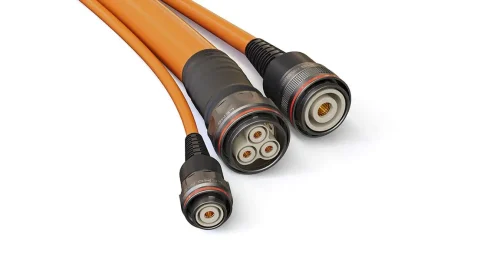
M series connectors are widely used in industrial automation, transportation systems, and electronic equipment where stable electrical performance is critical. Over time, even high-quality connectors can experience wear due to vibration, environmental exposure, and repeated connection cycles. Proper maintenance and timely troubleshooting are essential to ensure long-term reliability and prevent unexpected system failures.
In demanding industrial environments, connectivity issues can lead to costly downtime or safety risks. This is why components such as m series connectors are designed for durability, but still require routine inspection and care to maintain optimal performance. Understanding how to maintain and diagnose common issues helps engineers and technicians extend connector lifespan and ensure consistent system operation.
Table of Contents
ToggleImportance of Regular Maintenance
Regular maintenance plays a key role in preserving the electrical and mechanical integrity of M series connectors. Although these connectors are built for harsh environments, factors such as dust accumulation, moisture exposure, and mechanical stress can gradually affect performance.
Routine maintenance helps prevent issues such as poor contact resistance, signal interference, and physical damage. It also ensures that connectors continue to perform reliably in high-vibration or high-temperature conditions commonly found in industrial and transportation systems.
Visual Inspection and Cleaning Practices
One of the most effective maintenance steps is regular visual inspection. Technicians should check connectors for signs of wear, corrosion, bent pins, or contamination. Even minor debris can impact conductivity and lead to intermittent connection issues.
Cleaning should be performed using appropriate non-abrasive materials and approved cleaning solutions. It is important to avoid excessive force, which could damage delicate contact pins or sealing components. After cleaning, connectors should be allowed to dry completely before reconnection to prevent moisture-related faults.
Common Troubleshooting Issues
Despite their robust design, M series connectors can still encounter operational issues over time. Identifying the root cause quickly helps minimize downtime and prevent further system damage.
Common problems include:
- Loose connections: Often caused by improper locking or vibration over time
- Corrosion or oxidation: Typically results from moisture exposure or poor sealing
- Signal interference: May occur due to damaged shielding or improper grounding
- Bent or damaged pins: Usually caused by incorrect mating or excessive force
- Overheating: Often linked to incorrect current ratings or poor contact quality
Each of these issues can affect system performance and should be addressed promptly to avoid more serious failures.
Troubleshooting Electrical Performance Issues
When electrical performance problems occur, a systematic approach is essential. Technicians should first verify that connectors are fully mated and securely locked. Loose connections are one of the most common causes of intermittent signal loss.
If performance issues persist, testing continuity with appropriate diagnostic tools can help identify faulty pins or wiring problems. In systems with high electromagnetic interference, checking shielding integrity and grounding connections is also important.
It is also recommended to inspect cable strain relief systems, as excessive mechanical stress on cables can indirectly affect connector performance.
Preventing Environmental Damage
Environmental factors are a major contributor to connector degradation. Moisture, dust, oil, and chemical exposure can all reduce connector efficiency over time if proper protection is not in place.
To prevent environmental damage, ensure that all sealing components such as gaskets and O-rings are intact and correctly positioned. Protective covers or enclosures should be used in outdoor or harsh industrial environments. In addition, connectors should be installed in positions that minimize direct exposure to contaminants whenever possible.
Best Practices for Long-Term Reliability
Maintaining long-term reliability requires both preventive maintenance and correct installation practices. Connectors should be installed according to manufacturer specifications, ensuring proper alignment and secure locking.
Periodic inspection schedules should be implemented in industrial systems, especially those operating under continuous load or vibration. Replacing worn or damaged connectors early can prevent system-wide failures and reduce maintenance costs over time.
Keeping detailed maintenance records can also help identify recurring issues and improve future system design and troubleshooting efficiency.
Conclusion
Proper maintenance and effective troubleshooting of M series connectors are essential for ensuring stable performance in industrial and electronic systems. Regular inspection, cleaning, and timely issue resolution help prevent failures and extend connector lifespan. While these connectors are designed for durability, consistent care ensures they continue to deliver reliable performance in demanding environments such as automation, transportation, and industrial machinery.


