

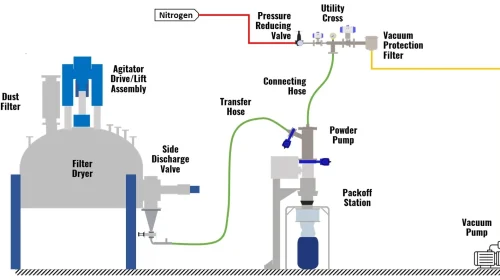
Agitated filters are widely used in industries such as pharmaceuticals, chemicals, and food processing due to their ability to perform filtration, washing, and drying within a single vessel. The efficiency, durability, and reliability of these systems depend heavily on proper material selection and thoughtful design. Selecting the right materials ensures chemical compatibility, mechanical strength, and resistance to corrosion, while design considerations impact process efficiency, safety, and maintenance.
An Agitated Filter integrates several key components, including a vessel body, filter plate, mechanical agitator, heating system, and vacuum system. The combination of these components allows for high-performance batch processing. Material choice and design optimization are essential to achieving consistent product quality and long-term operational reliability. For industrial-grade applications and technical specifications, you can explore this Agitated Filter, which has been widely adopted in chemical and pharmaceutical production due to its versatile and robust design.
Table of Contents
ToggleMaterial Selection
Material selection is the foundation of a reliable agitated filter system. Each component must withstand the chemical, thermal, and mechanical stresses of the process.
-
Vessel Body Materials: The vessel must resist corrosion, handle vacuum or slight pressure, and maintain structural integrity under thermal stress. Stainless steel, particularly grades 304 and 316, is commonly used due to its corrosion resistance, ease of cleaning, and compatibility with pharmaceuticals and food products. In applications involving highly corrosive chemicals, specialty alloys like Hastelloy or titanium may be required. Carbon steel can be used in non-corrosive processes but is often coated or lined for added protection.
-
Filter Media and Plates: The filter plate supports the media and allows liquid to pass through while retaining solids. Stainless steel mesh or perforated plates are standard, but synthetic cloth or specialized materials may be used depending on particle size and chemical compatibility. The filter media must balance strength, permeability, and durability to handle repeated processing cycles without degradation.
-
Agitator Materials: The agitator must withstand mechanical stress and maintain chemical resistance. Stainless steel is commonly used, and in highly reactive environments, corrosion-resistant alloys may be preferred. Proper material selection ensures that the agitator does not contaminate the product and maintains structural integrity over time.
-
Seals and Gaskets: Seals and gaskets prevent leaks and maintain vacuum or pressure levels. They must be compatible with chemicals, temperature ranges, and pressure conditions. Materials such as PTFE, Viton, or silicone are frequently used depending on application requirements.
Design Considerations
The design of an agitated filter affects not only its efficiency but also ease of operation, maintenance, and safety.
-
Vessel Geometry: The vessel should be designed for optimal drainage and solid discharge. Conical or rounded bottoms facilitate complete removal of solids and prevent material buildup. The interior surface is often polished or coated to prevent product adhesion and simplify cleaning.
-
Agitator Design: Agitators are available in plough, paddle, or anchor configurations. The selection depends on material characteristics, such as viscosity, particle size, and abrasiveness. The agitator should provide uniform mixing, prevent caking, and assist in product discharge. Proper spacing and blade design are critical to prevent dead zones and ensure efficient drying.
-
Heating and Vacuum Systems: Integrated heating via jacketed walls and filter plates ensures controlled drying. Vacuum systems reduce the boiling point of liquids, enabling drying at lower temperatures for heat-sensitive products. The design must allow even heat distribution and efficient vacuum evacuation to avoid prolonged processing times or inconsistent moisture content.
-
Discharge Mechanisms: Efficient discharge is essential to minimize residue and prevent product loss. Bottom valves, tilting vessels, or mechanical scrapers are commonly used. The design should allow complete removal of solids without excessive manual intervention, reducing contamination risks and labor requirements.
Safety and Compliance
Agitated filter systems must be designed with safety and regulatory compliance in mind. Sealed operation prevents operator exposure to hazardous chemicals, while explosion-proof motors and inert gas purging can be included for flammable or reactive substances. Sanitary design, polished surfaces, and easy-clean components facilitate compliance with cGMP standards and other industry regulations. Safety interlocks and pressure relief systems prevent operational hazards, contributing to both productivity and operator protection.
Maintenance and Longevity
Material selection and design also directly affect maintenance requirements and the lifespan of the equipment. Corrosion-resistant materials reduce wear and the frequency of replacement, while thoughtful design minimizes areas where solids can accumulate, simplifying cleaning and reducing downtime. Properly designed agitators, filter plates, and seals contribute to consistent performance and lower long-term operating costs.
Conclusion
Material selection and design are critical factors in the performance and reliability of Agitated Filters. Choosing corrosion-resistant alloys, durable filter media, and appropriate agitator materials ensures that the system can handle demanding chemical and thermal conditions. Meanwhile, optimized design features such as vessel geometry, agitator configuration, and integrated heating and vacuum systems enhance process efficiency, product quality, and safety. By carefully considering both materials and design, manufacturers can achieve reliable, high-performance operation, making Agitated Filters indispensable in modern chemical, pharmaceutical, and food production.

