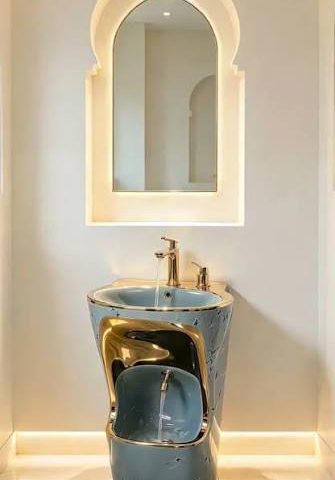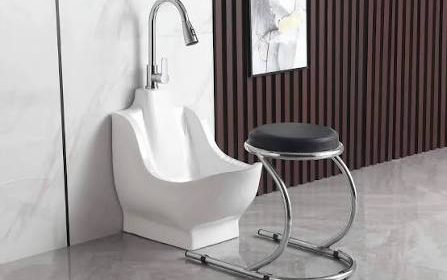
Interior design within contemporary Islamic buildings is evolving through the use of refined materials, minimalist forms, improved lighting, and more integrated functional spaces. Mosques, Islamic centers, and residential prayer rooms increasingly demonstrate how traditional religious environments can accommodate modern architectural preferences without losing their cultural identity. Ablution areas are part of this transformation, with designers paying greater attention to their visual appearance and practical performance.
A carefully chosen Wudu wash basin can become an important element of a contemporary interior scheme. Instead of treating it as an isolated plumbing fixture, architects can coordinate its shape, finish, and installation with the surrounding walls, floors, and accessories. The result is an ablution room that feels cohesive, organized, and appropriate for its architectural setting.
Minimalism and Functional Simplicity
Minimalist interiors remain an appealing option for modern religious facilities.
This approach emphasizes simple forms, uncluttered surfaces, and carefully selected materials. Ablution rooms can benefit from streamlined basins, concealed plumbing where practical, and understated accessories.
The objective is not to remove every decorative element but to ensure that each component has a clear purpose.
Neutral color schemes are particularly effective in creating visually balanced spaces. White, beige, soft grey, and natural stone shades can make washing areas feel brighter and more spacious.
Natural Materials and Organic Textures
Another interior trend involves bringing natural textures into contemporary buildings.
Stone-inspired surfaces, wood-effect finishes, and subtle textured wall panels can introduce warmth into an otherwise functional room.
Stone and Stone-Inspired Finishes
Natural stone can add architectural character through its distinctive patterns and texture. It may be used for countertops, wall details, or selected decorative surfaces.
However, its maintenance requirements should be evaluated carefully, particularly in areas exposed to regular water contact.
Engineered alternatives may provide a more consistent appearance with different maintenance characteristics.
Warm Neutral Palettes
Earth-inspired colors can help create a calm atmosphere.
Rather than relying entirely on bright white surfaces, designers may combine warm grey, sand, cream, and muted brown tones. These shades can coordinate effectively with traditional Islamic architectural features.
Geometric Patterns in Contemporary Ablution Rooms
Geometric decoration remains an important source of inspiration in Islamic architecture.
Modern interpretations may use simplified geometric wall panels, patterned screens, decorative tiles, or subtle floor details.
These elements can introduce cultural identity without making the interior feel overly ornate.
For example, a plain washing installation may be complemented by a geometric feature wall behind it. This creates visual interest while keeping the basin area easy to clean.
Integrated Basin Designs
Contemporary interiors often favor coordinated installations rather than unrelated individual fixtures.
Integrated basin configurations can provide a continuous visual line and make multiple washing positions appear organized.
Solid-surface materials may be suitable for certain seamless-looking designs, while ceramic and stainless steel offer alternative architectural expressions.
Wall-mounted arrangements are another option for creating a lighter visual appearance. The structural support and service connections must be properly coordinated to ensure reliable installation.
Lighting as an Interior Design Feature
Lighting has become an important component of contemporary washroom design.
Natural daylight can improve the atmosphere and reduce reliance on artificial illumination during daytime hours. Where windows are not practical, appropriately positioned ceiling lights and wall fixtures can provide consistent visibility.
Indirect lighting may highlight decorative features, while focused illumination ensures that faucets and washing areas remain easy to use.
Lighting selection should also consider the humid environment and applicable electrical safety requirements.
Smart Water Controls and Modern Accessories
Technology is influencing how public and private washing facilities are designed.
Sensor-operated faucets, suitable flow regulators, and automated lighting controls may improve convenience in selected applications.
However, smart features should be chosen according to their practical value. Sensor systems require suitable power arrangements and maintenance, while overly complicated controls can create difficulties for some users.
Accessories should also follow the overall design language. Coordinated shelves, hooks, soap dispensers, and hand-drying facilities help create a consistent appearance.
Sustainable Design Considerations
Water conservation is increasingly relevant to religious and commercial building projects.
Appropriate faucet controls, aerators, leak prevention, and effective drainage management can help reduce unnecessary water use.
Durable materials may also reduce the need for frequent replacement, provided they are correctly installed and maintained.
Creating a Timeless Contemporary Interior
Modern ablution design is most successful when visual trends support rather than distract from everyday functionality.
Minimalist forms, natural textures, Islamic geometric details, coordinated lighting, and practical fixtures can work together to create an attractive environment.
By selecting materials and products according to the building’s requirements, designers can create contemporary Islamic interiors that remain comfortable, easy to maintain, and architecturally relevant over time.