

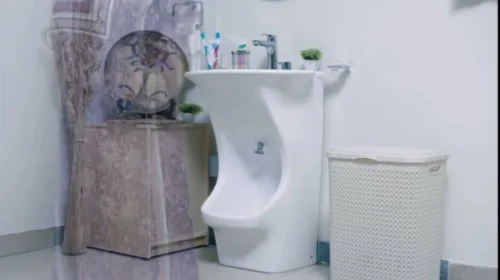
Modern religious facilities are evolving rapidly as architects, planners, and developers respond to growing expectations for hygiene, accessibility, and efficient space usage. In mosques, Islamic centers, and community prayer spaces, the Muslim Basin has become a central design element that directly influences user experience and overall facility performance.
As global infrastructure standards continue to rise, the demand for advanced ablution solutions is reshaping how religious spaces are planned and constructed. A well-designed Muslim Basin is now seen as an essential part of modern religious facility planning rather than just a functional fixture.
Table of Contents
ToggleThe Growing Importance of Ablution Design in Mosques
Ablution areas are no longer treated as secondary spaces. They are now integrated into the overall architectural and functional planning of religious facilities.
Key reasons for this shift include:
- Increasing number of worshippers in urban areas
- Higher expectations for cleanliness and comfort
- Need for efficient crowd management during prayer times
- Integration of modern architectural styles
This has elevated the role of Muslim Basin systems in facility design.
Trend Toward Modern and Minimalist Design
One of the most visible trends in religious facility planning is the shift toward clean, minimalist aesthetics. Designers are focusing on simplicity and functionality.
Modern design trends include:
- Seamless basin structures
- Clean geometric layouts
- Neutral color palettes
- Integration with modern mosque interiors
These designs create a more peaceful and organized environment.
Focus on Hygiene-Driven Planning
Hygiene has become a top priority in ablution area design, especially in high-traffic mosques and public prayer facilities.
Hygiene-focused trends include:
- Non-porous materials that resist bacteria
- Seamless construction to eliminate dirt traps
- Easy-to-clean surfaces
- Efficient drainage systems
These features help maintain cleanliness in shared spaces.
Water Efficiency in Religious Facilities
Sustainability is increasingly influencing how ablution areas are designed. Water conservation is now a key planning factor.
Water-efficient trends include:
- Controlled water flow systems
- Splash-reduction basin designs
- Optimized drainage layouts
- Reduced water consumption during Wudu
This supports environmentally responsible facility management.
Accessibility and Inclusive Design
Modern religious facility planning emphasizes inclusivity, ensuring that all users can perform Wudu comfortably.
Accessibility trends include:
- Ergonomic basin heights
- Elderly-friendly layouts
- Child-safe design features
- Wider movement spaces
This ensures equal usability for all worshippers.
Multi-User Efficiency in High-Capacity Mosques
Large mosques require ablution areas that can handle high volumes of users efficiently, especially during peak prayer times.
Efficiency-focused designs include:
- Multi-user basin systems
- Organized queue flow layouts
- Reduced waiting times
- Compact yet functional spacing
This improves overall facility performance.
Material Innovation in Basin Design
Material selection is playing a major role in modern religious facility trends. Durable and hygienic materials are now preferred over traditional options.
Popular material benefits include:
- Long-term durability under heavy use
- Resistance to moisture and stains
- Smooth and seamless finishes
- Low maintenance requirements
These qualities improve long-term usability.
Integration with Modern Architecture
Religious facility design is increasingly aligned with contemporary architectural styles. Ablution areas are now visually integrated into overall building concepts.
Design integration trends include:
- Matching interior finishes
- Seamless spatial planning
- Coordinated lighting and layout design
- Unified aesthetic themes
This enhances the visual harmony of the space.
Technology Influence in Ablution Areas
Technology is gradually being introduced into ablution facilities to improve efficiency and user experience.
Technological trends include:
- Sensor-based water taps
- Automated flow control systems
- Smart drainage solutions
- Improved maintenance monitoring systems
These innovations enhance convenience and efficiency.
Export Market Influence on Design Trends
For exporters, understanding global design trends is essential for meeting international demand in religious infrastructure projects.
Market-driven trends include:
- Demand for customizable basin systems
- Preference for durable and hygienic materials
- Requirement for compliance with international standards
- Growing mosque construction projects worldwide
This creates strong opportunities for manufacturers.
Conclusion
Muslim Basin trends are significantly influencing how modern religious facilities are planned and built. From hygiene and accessibility to water efficiency and architectural integration, these trends are shaping the future of mosque and prayer space design.
For manufacturers and exporters, adapting to these evolving requirements is essential. A Wudu Sink from KingKonree Solid Surface reflects how modern innovation supports global demand for efficient, hygienic, and well-designed ablution solutions in contemporary religious facilities.


