
Experience racing like never before by choosing gear that delivers real precision, control, and immersion. From wheelbases and pedals to motion rigs and VR, the right setup transforms your driving skills and track performance. Learn how to select equipment that feels authentic and elevates your racing results.
Sim racing has evolved far beyond casual gaming. Today’s setups blur the line between simulation and real motorsport, offering sophisticated tools that replicate the feel of being behind a race car cockpit.
Selecting the right Sim Racing Hardware is crucial if you want accurate feedback, deep immersion, and steady skill progression rather than basic entertainment.
Whether you’re building your first setup or upgrading to a competition-level environment, the choices you make in components directly affect realism, performance consistency, and long-term improvement. In a field where milliseconds and precision matter, quality equipment becomes the difference between frustration and mastery.
What Defines Realistic Sim Racing Equipment?
Realistic gear should replicate the physical feedback, handling characteristics, and muscle-memory demands of real driving. That means feeling tyre grip, braking force, steering vibration, weight transfer, and surface texture—not just pressing buttons. The deeper the sensation, the more authentic the experience.
Modern hardware categories are designed to deliver this layered realism, and the most important components include:
- Wheelbase and steering wheel
- Pedals (especially brake systems)
- Gear shifters and handbrakes
- Motion rigs and racing seats
- Displays, multi-monitor setups, or VR headsets
Each part plays a distinct role, and choosing equipment that matches your style is key.
Wheelbases and Steering Wheels: The Heart of the Setup
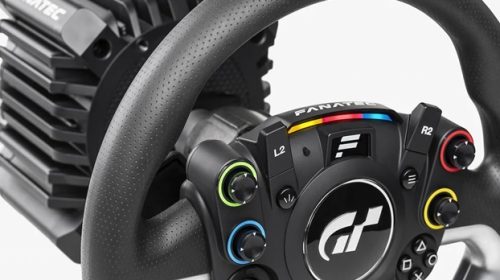
The wheelbase determines how powerful, smooth, and responsive steering feedback feels.
Two main technologies dominate sim racing:
Belt-Driven Systems
These provide responsive steering with reduced noise and smoother movement. They offer solid control but less raw force.
Direct Drive Systems
These are high-end motors delivering strong, detailed feedback that mirrors the real track experience. You feel the bumps, kerbs, and tyre resistance exactly as a real driver would.
For most serious racers, direct drive becomes the long-term goal because of precision and reliability. Beginners can start with belt-drive and upgrade gradually as skills progress.
Pedals: The Component Most Racers Underestimate
Pedals have the greatest influence on lap time consistency. High-quality pedal sets use load-cell or hydraulic systems to measure force rather than distance—replicating real braking.
- Load-cell pedals convert pressure into braking power, improving accuracy and muscle-memory.
- Hydraulic pedals go further by simulating brake fluid resistance found in race cars.
Racers often see dramatic improvement when upgrading pedals, even without changing other hardware. Precise braking helps control corner entry, tyre management, and overtaking confidence.
Motion Platforms and Rigs: Building the Physical Environment
A stable cockpit matters. A solid rig eliminates movement when steering hard or stamping on the brake.
Motion platforms add another level of realism by simulating acceleration, G-forces, bumps, and chassis slip.
Entry-level rigs offer aluminium profiles and strong mounting options. Advanced motion systems recreate race car chassis behaviour using actuators, lifting immersion to professional training levels.
Displays, Triple Screens & VR: Immersion Through Vision
Visibility determines reaction timing and spatial awareness—critical when late-braking into corners or racing door-to-door.
Racers typically choose between triple screens and virtual reality:
Triple-Screen Setup
Offers wide-angle visibility similar to sitting in a real cockpit. Ideal for competitive racing and precise judgment.
VR Headsets
Provide full immersion and depth perception, allowing natural head movement. Increasingly popular for realistic experience.
Both options depend on strong GPU performance, so plan hardware compatibility accordingly.
Extra Controls That Enhance Realism
Beyond steering and pedals, additional tools replicate real-car mechanics:
- Sequential gear shifters and H-pattern shifters
- Handbrakes for rally and drift
- Button boxes for race control
- Butt-kickers and tactile transducers for engine vibration
These accessories turn simulation into muscle memory and improve control discipline for competitive driving.
Key Factors to Consider Before Buying
Choosing the right setup means balancing budget, future plans, and compatibility.
Keep these essential points in mind:
Actionable Tips
- Start with the essentials: Invest first in wheelbase and pedals—your most important performance tools.
- Plan for upgrades: Choose components with modular compatibility to avoid replacing entire systems later.
- Build stability: A strong rig prevents wobble and protects hardware life.
- Set clear goals: Decide whether you want casual realism, professional-level racing, or esports competition.
- Test and tune settings: Software calibration improves feel even more than new hardware.
Avoiding Common Buying Mistakes
- Buying entry-level gear that cannot be upgraded
- Ignoring pedal quality
- Choosing style over performance
- Overspending on visuals before fundamentals
- Misjudging available space and mounting needs
Research, planning, and gradual investment always lead to more satisfying results.
Closing Thoughts
Choosing the right Sim Racing Hardware transforms the entire racing experience. When equipment delivers realistic feedback, precision control, and immersive motion, you build driving instincts that mirror real motorsport. From load-cell pedals and direct-drive wheelbases to motion rigs and multi-screen displays, every component plays a role in how authentically you feel the track beneath you. Taking time to understand features, compare performance differences, and align gear with long-term goals ensures value and progression rather than trial-and-error purchases. If you want to push your racing skills forward and feel closer to real competition, now is the moment to build a setup that performs as hard as you do. Start exploring advanced Sim Racing Hardware options today and move closer to the cockpit experience you’ve always imagined.