
Have you ever left home and wondered whether you forgot to adjust the temperature? Or walked into a room that felt too hot in summer or too cold in winter? These small frustrations are common, but modern technology has made managing home comfort far easier than it was just a few years ago.
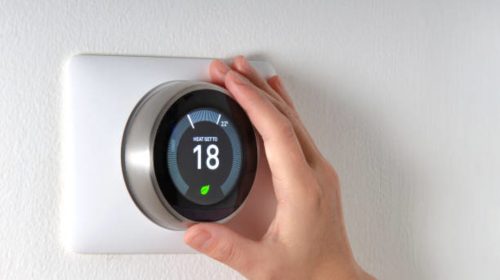
For homeowners looking to improve climate control while reducing unnecessary energy consumption, a Smart Thermostat provides an intelligent solution. With advanced scheduling, remote access, and automation features, these devices help create a comfortable indoor environment while supporting more efficient energy usage.
Why Home Climate Control Matters More Than Ever
The temperature inside your home affects nearly every aspect of daily life. It influences comfort, sleep quality, productivity, and even energy bills.
Many traditional thermostats operate with basic manual controls. While functional, they often require constant adjustments to match changing schedules and weather conditions.
Modern households need greater flexibility.
People work from home, travel frequently, and spend varying amounts of time in different rooms throughout the day. Intelligent climate control systems help adapt to these changing needs without requiring constant manual intervention.
Common Challenges with Traditional Thermostats
Many homeowners experience issues such as:
- Forgetting to adjust temperatures before leaving home
- Heating or cooling empty rooms unnecessarily
- Inconsistent indoor comfort
- Higher-than-expected energy bills
- Limited control while away from home
Smart technology addresses many of these concerns through automation and connectivity.
What Is a Smart Thermostat?
A smart thermostat is a connected climate control device that manages heating and cooling systems more efficiently than traditional thermostats.
Unlike conventional models, these devices often connect to mobile applications and home networks, allowing users to monitor and adjust temperatures remotely.
Many systems also support automation features that help maintain ideal indoor conditions based on schedules, preferences, and occupancy patterns.
The result is a more comfortable and energy-conscious home.
Key Benefits of Intelligent Temperature Control
Homeowners often choose smart climate systems for convenience, but the advantages extend far beyond simple remote control.
Improved Comfort
One of the most obvious benefits is maintaining a more consistent indoor environment.
Instead of manually adjusting settings throughout the day, homeowners can create schedules that automatically match their daily routines.
For example:
- Warmer temperatures before waking up
- Energy-saving settings during work hours
- Comfortable evening temperatures
- Optimized overnight settings
This creates a seamless experience without constant adjustments.
Better Energy Efficiency
Heating and cooling typically account for a significant portion of household energy consumption.
Intelligent scheduling helps reduce unnecessary system operation by adjusting temperatures only when needed.
Potential benefits include:
- Reduced energy waste
- Improved system efficiency
- Lower utility costs
- More sustainable household energy use
Remote Access and Control
One of the most appreciated features is the ability to manage climate settings from virtually anywhere.
Using a smartphone or tablet, homeowners can:
- Adjust temperatures remotely
- Monitor system performance
- Change schedules
- Prepare the home before arriving
This convenience can be particularly valuable during travel or unpredictable weather conditions.
How Smart Scheduling Works
Scheduling is one of the most useful features of modern thermostats.
Instead of relying on fixed manual settings, homeowners can create customized temperature plans that align with their routines.
Example Daily Schedule
Morning:
- Increase temperature before waking
Work Hours:
- Reduce heating or cooling when the house is empty
Evening:
- Return to preferred comfort settings
Night:
- Adjust temperatures for better sleep conditions
These automated adjustments happen without requiring daily attention.
Smart Home Integration and Connected Living
Today’s homes increasingly rely on interconnected technology.
Modern thermostats often integrate with:
- Smart speakers
- Voice assistants
- Home automation platforms
- Security systems
- Smart lighting controls
This connectivity allows homeowners to create more personalized and responsive environments.
Popular Automation Examples
Imagine a home that automatically:
- Adjusts temperature when occupants leave
- Lowers cooling during sleeping hours
- Increases comfort settings before arrival
- Coordinates with other smart devices
These automated routines improve convenience while supporting energy-conscious living.
Real-Life Example: A Family’s Energy Upgrade
A family living in a large suburban home noticed that their heating and cooling costs remained high despite careful energy habits.
After installing an intelligent climate control system, they created schedules tailored to their daily routine.
The changes included:
- Reduced operation during school and work hours
- Automated evening comfort settings
- Remote temperature adjustments during vacations
Within months, they noticed greater comfort and improved control over energy usage.
More importantly, they no longer worried about forgetting to adjust the thermostat before leaving home.
Features to Consider Before Buying
Not all thermostats offer the same functionality.
Before choosing a system, homeowners should evaluate several important features.
Mobile App Control
A well-designed mobile application makes managing home temperatures simple and convenient.
Look for:
- Easy navigation
- Real-time updates
- Schedule customization
- Remote access capabilities
Automation Features
Advanced systems often support:
- Custom schedules
- Occupancy detection
- Geofencing technology
- Energy-saving modes
These features help maximize efficiency without sacrificing comfort.
System Compatibility
Before purchasing, verify compatibility with existing HVAC equipment.
Common systems include:
- Central heating
- Air conditioning units
- Heat pumps
- Multi-zone systems
Compatibility is essential for reliable performance.
User-Friendly Design
Technology should simplify life, not complicate it.
Choose a system with an intuitive interface that every household member can operate comfortably.
Supporting Better Energy Management
Many homeowners are becoming increasingly focused on reducing their environmental impact.
Intelligent temperature control can contribute to these goals by helping households use energy more responsibly.
Benefits may include:
- Reduced carbon footprint
- Improved heating efficiency
- Lower cooling demand
- Better energy awareness
While every home is different, greater control often leads to smarter energy decisions.
How Smart Thermostats Improve Seasonal Comfort
Winter Benefits
During colder months, automated heating schedules can ensure the home remains comfortable without excessive energy use.
Common advantages include:
- Warm mornings
- Reduced heating while away
- Consistent indoor temperatures
Summer Benefits
In warmer climates, intelligent cooling management can improve comfort while reducing unnecessary air conditioning operation.
This creates a better balance between comfort and efficiency.
Future Trends in Climate Control Technology
The smart home industry continues to evolve rapidly.
Several emerging trends are shaping the future of residential climate management.
Learning Algorithms
Many systems are becoming increasingly capable of adapting to user preferences automatically.
Occupancy-Based Adjustments
Future systems may rely even more heavily on occupancy detection to optimize performance.
Enhanced Energy Reporting
Homeowners are gaining access to detailed insights that help identify opportunities for improved efficiency.
Greater Smart Home Integration
Climate control is increasingly working alongside:
- Smart lighting
- Security systems
- Automated blinds
- Energy monitoring platforms
These connected ecosystems create a more seamless living experience.
Common Mistakes to Avoid
Ignoring Compatibility Requirements
Always verify that the thermostat works with your existing HVAC system.
Overlooking Scheduling Features
Many users purchase advanced devices but never take full advantage of automation capabilities.
Focusing Only on Initial Cost
Long-term value often comes from energy savings, convenience, and improved comfort rather than upfront pricing alone.
Skipping Professional Installation
In some cases, professional installation can help ensure optimal performance and system compatibility.
Why Smart Climate Control Is Worth Considering
Unlike many home upgrades that are used occasionally, climate control affects daily life year-round.
Homeowners interact with heating and cooling systems every day, making comfort and efficiency especially important.
An intelligent thermostat provides:
- Greater control
- Enhanced convenience
- Improved comfort
- Better energy management
- Modern smart home functionality
These benefits continue long after installation.
Conclusion
Creating a comfortable home is about more than furniture, décor, and design. Temperature plays a critical role in how people experience their living spaces every day. Modern climate control technology provides homeowners with more flexibility, convenience, and efficiency than ever before.
By combining advanced scheduling, mobile access, automation, and energy-conscious features, intelligent thermostats help create a more comfortable and responsive home environment. Whether you’re looking to improve comfort, manage energy use more effectively, or enhance your smart home ecosystem, upgrading your climate control system can be a practical investment that delivers value throughout every season of the year.