

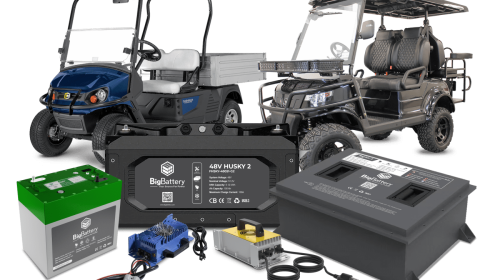
Golf carts are widely used on golf courses, resorts, and residential communities, providing convenient and eco-friendly transportation. The performance and reliability of these carts are highly influenced by the type and quality of the battery used. In recent years, lithium batteries have become increasingly popular for golf carts due to their longer lifespan, lighter weight, and superior efficiency compared to traditional lead-acid batteries. Selecting the right lithium battery is essential to ensure optimal performance, safety, and longevity of your golf cart.
A reliable source for modern battery solutions is the Golf Cart Battery Lithium. These batteries provide high energy density, consistent power output, and minimal maintenance, making them a smart investment for anyone looking to enhance the performance and efficiency of their golf cart. Understanding the key factors to consider when choosing a lithium battery will help you make an informed decision.
Battery Voltage and Compatibility
The first factor to consider when selecting a lithium battery is voltage. Golf carts are typically designed to operate on 36-volt or 48-volt systems, so it is important to choose a battery that matches the cart’s existing electrical system. Using an incompatible voltage can lead to poor performance, reduced battery life, and potential damage to the golf cart’s motor and controller.
Always check the manufacturer’s specifications for voltage requirements before purchasing a battery. Modern lithium batteries are often designed to be compatible with both lead-acid and lithium systems, but verifying compatibility ensures safety and optimal performance.
Capacity and Amp-Hour Rating
The amp-hour (Ah) rating of a lithium battery indicates how much energy it can store and deliver over a specific period. Higher Ah ratings provide longer run times and extended range, allowing golfers to complete multiple rounds or operate fleets of carts without frequent recharging.
When choosing a battery, consider how far and how often the golf cart will be used. For casual or residential use, a moderate capacity may be sufficient, whereas commercial operations may require high-capacity batteries to support continuous operation throughout the day.
Battery Type and Chemistry
Lithium batteries come in various chemistries, including lithium iron phosphate (LiFePO4) and lithium nickel manganese cobalt oxide (NMC). Each type has its unique characteristics:
-
LiFePO4: Known for safety, long life, and thermal stability. Ideal for high-use golf carts where reliability is critical.
-
NMC: Offers higher energy density and lighter weight, suitable for applications where space and weight savings are priorities.
Selecting the appropriate chemistry depends on the balance between performance, lifespan, safety, and cost requirements.
Weight and Form Factor
One of the key advantages of lithium batteries is their reduced weight compared to lead-acid alternatives. Lighter batteries improve cart acceleration, handling, and overall efficiency. Additionally, lithium batteries are more compact, allowing for easier installation and better space utilization within the cart.
Consider the size and weight of the battery relative to your golf cart’s design to ensure proper fit and balance. Some lithium batteries are modular, allowing users to customize the number of cells based on voltage and capacity requirements.
Charging Speed and Efficiency
Lithium batteries are capable of faster charging than lead-acid batteries, reducing downtime between uses. However, charging speed can vary depending on the battery model and charger compatibility. Choose a battery that supports rapid charging without compromising lifespan.
Efficiency is another important factor. Lithium batteries maintain a higher state of charge for longer periods and provide consistent voltage output throughout the discharge cycle. This ensures smooth acceleration and optimal performance from the first mile to the last.
Safety Features
Safety is paramount when selecting a lithium battery. Look for batteries with built-in protection mechanisms such as:
-
Overcharge and over-discharge protection
-
Short-circuit prevention
-
Thermal management systems
These safety features prevent overheating, electrical faults, and potential hazards, ensuring safe operation under various conditions.
Maintenance Requirements
One of the main advantages of lithium batteries is their low maintenance. Unlike lead-acid batteries, they do not require water refilling, electrolyte monitoring, or terminal cleaning. Minimal maintenance reduces operational costs and ensures reliable performance over the long term.
Even with low maintenance, periodic inspections for signs of damage or wear are recommended to maximize battery lifespan.
Cost Considerations
While lithium batteries have a higher upfront cost compared to traditional lead-acid batteries, their extended lifespan, lower maintenance requirements, and superior performance make them cost-effective over time. Evaluate the total cost of ownership, including replacement intervals, maintenance savings, and improved efficiency, before making a purchase.
Conclusion
Choosing the right Golf Cart Battery Lithium is essential for maximizing the performance, range, and longevity of your golf cart. Key factors to consider include voltage compatibility, capacity, battery chemistry, weight, charging speed, safety features, maintenance requirements, and overall cost.
By carefully evaluating these factors, golf cart owners and operators can select a lithium battery that meets their specific needs, providing reliable performance, enhanced efficiency, and a more enjoyable driving experience. Investing in a high-quality lithium battery ensures that your golf cart operates at its full potential for years to come.