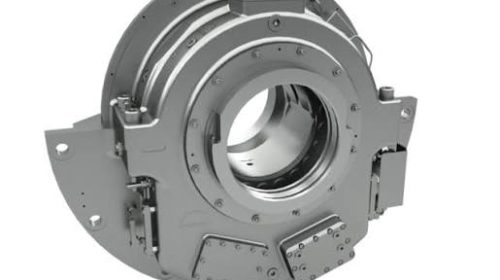
Shipbuilding and marine engineering depend on precision-engineered components to ensure vessels operate safely, efficiently, and reliably. Among these components, marine bearings perform an essential function by supporting rotating shafts, reducing friction, and maintaining proper alignment in mechanical systems. From commercial cargo ships to offshore vessels and naval equipment, bearings contribute to the performance of numerous marine applications.
Professional Marine Bearing Suppliers support the maritime industry by providing suitable components, technical information, customized solutions, and dependable product availability. Their role extends beyond supplying individual parts, as they also contribute to equipment integration, manufacturing quality, and long-term machinery maintenance.
The Importance of Marine Bearings in Shipbuilding
Marine bearings are essential for supporting the rotating and moving components found throughout a vessel. They help distribute mechanical loads, minimize friction, and maintain stable equipment operation.
During ship construction, engineers must select bearings that match the vessel’s design specifications and expected operating conditions. These components are commonly used in propulsion systems, propeller shafts, rudder assemblies, pumps, compressors, and auxiliary machinery.
Selecting appropriate bearings during the shipbuilding process helps improve mechanical reliability and reduces the likelihood of premature component failure.
Supporting Propulsion System Performance
A vessel’s propulsion system requires dependable mechanical components to transfer power efficiently. Marine bearings support propulsion shafts and help maintain their alignment during rotation.
These bearings must withstand substantial mechanical loads, vibration, and continuous operation. Their performance can influence shaft stability, friction levels, and the overall reliability of propulsion equipment.
Suppliers support shipbuilding projects by providing bearings that meet the dimensional, material, and performance requirements of specific propulsion arrangements.
Proper bearing selection also helps reduce excessive wear and supports smoother machinery operation throughout the vessel’s service life.
Providing Solutions for Different Marine Applications
Marine engineering involves many mechanical systems, each with different bearing requirements. A professional supplier should understand these differences and provide suitable product options.
Common applications include:
- Propeller shaft systems: Bearings support rotating shafts and help maintain alignment.
- Rudder assemblies: Bearings assist smooth movement and support mechanical loads.
- Marine pumps: Bearings help maintain stable rotation in fluid-handling equipment.
- Compressors: Suitable bearings support rotating components under demanding operating conditions.
- Auxiliary machinery: Bearings contribute to the reliable operation of generators and other onboard equipment.
Understanding these applications allows engineers to select components based on actual operating conditions rather than relying on general specifications.
Helping Engineers Select Appropriate Bearing Materials
Material selection is an important consideration in marine engineering because vessels operate in environments exposed to saltwater, humidity, and temperature variations.
Different bearing materials offer different mechanical and environmental characteristics. Bronze alloys, stainless steel, engineered polymers, and other specialized materials may be suitable depending on the application.
Suppliers help engineers compare material properties such as:
- Corrosion resistance in marine environments.
- Load-bearing strength and wear resistance.
- Friction characteristics.
- Compatibility with lubrication methods.
- Performance under changing temperatures.
Selecting appropriate materials can improve component durability and reduce maintenance requirements.
Supporting Customized Engineering Requirements
Not every shipbuilding project uses identical machinery configurations. Vessel size, propulsion design, equipment specifications, and operational requirements can influence the type and dimensions of bearings needed.
Marine bearing suppliers support engineering teams by offering customized products and technical consultation. Depending on their manufacturing capabilities, they may provide special dimensions, material combinations, and design modifications.
This flexibility is particularly useful when developing specialized vessels, replacing discontinued components, or integrating new machinery into existing marine systems.
Providing accurate technical drawings and equipment specifications helps suppliers recommend suitable solutions.
Maintaining Manufacturing Quality and Precision
The reliability of marine bearings depends heavily on manufacturing accuracy and quality control. Small dimensional variations or surface defects can affect alignment, friction, and operating performance.
Suppliers contribute to shipbuilding quality by maintaining controlled manufacturing processes and inspecting products before delivery.
Important quality procedures may include:
- Raw material inspection.
- Precision machining and dimensional measurement.
- Surface finish evaluation.
- Product testing based on application requirements.
- Final inspection and documentation.
Consistent manufacturing standards help ensure that bearings meet the technical requirements established by marine engineers and equipment manufacturers.
Improving Project Efficiency Through Reliable Supply Chains
Shipbuilding projects involve multiple suppliers, production stages, and delivery schedules. Delays in receiving critical components can affect installation work and overall project timelines.
Marine bearing suppliers support project efficiency by maintaining organized production schedules, managing inventory, and coordinating deliveries according to customer requirements.
Their ability to handle bulk orders and provide accurate lead-time information helps shipbuilders plan procurement more effectively.
Reliable communication is also important when project specifications change or replacement components are needed during construction.
Supporting Maintenance and Vessel Lifecycle Management
The responsibilities associated with marine bearings continue after a vessel enters service. Bearings experience gradual wear due to operating loads, friction, vibration, and environmental exposure.
Suppliers can support maintenance teams by providing replacement components, technical specifications, and product-related guidance. This information helps engineers identify suitable replacements and maintain compatibility with existing machinery.
Regular inspections, proper lubrication, and timely replacement are important for preventing unexpected equipment problems.
A dependable supply relationship can also make it easier for vessel operators to maintain spare parts inventories and plan scheduled maintenance activities.
The Role of Suppliers in Modern Marine Engineering
Marine engineering continues to develop through improvements in vessel design, manufacturing technology, and mechanical efficiency. These developments create new requirements for bearing performance and material durability.
Suppliers that follow industry developments can help engineering teams explore improved materials, precision manufacturing methods, and application-specific bearing designs.
For example, Techemer is a name associated with the marine bearing sector that buyers may research when exploring available bearing solutions. As with any supplier, evaluating technical capabilities and product suitability is important before selecting components for a particular project.
Conclusion
Marine bearing suppliers play an important role in supporting shipbuilding and marine engineering through product availability, material selection, customization, manufacturing quality, and technical assistance. Their contributions help engineers integrate reliable mechanical components into propulsion systems, auxiliary machinery, and other essential vessel applications.
By working with capable suppliers and selecting bearings according to actual operating requirements, shipbuilders and marine operators can improve equipment reliability, manage maintenance costs, and support long-term vessel performance. A dependable supply chain ultimately contributes to more efficient ship construction and reliable marine operations.