
The manufacturing industry is rapidly evolving, and automation has become a critical factor in enhancing productivity, precision, and efficiency. CNC lathe factories, in particular, are embracing automation to streamline operations, reduce manual labor, and improve overall output quality. By integrating advanced machinery, robotics, and digital monitoring systems, modern CNC lathe factories are transforming the way components are produced while meeting the growing demand for complex, high-precision parts.
A forward-thinking CNC Lathe Factory leverages automation to optimize workflows, minimize errors, and maximize machine utilization. These factories combine state-of-the-art CNC machines with automated material handling, intelligent software systems, and real-time monitoring to create a seamless production environment. As technology continues to evolve, understanding current automation trends is essential for manufacturers looking to maintain competitiveness and operational excellence.
Table of Contents
ToggleIntegration of Robotic Systems
One of the most significant automation trends in CNC lathe factories is the use of robotic systems for material handling and machine loading. Robots can handle heavy workpieces, load and unload parts, and perform repetitive tasks with consistent precision. This reduces the reliance on manual labor, minimizes human error, and ensures that machines operate continuously without interruption.
Robotic integration also improves safety by reducing operator exposure to moving parts and sharp tools. In high-volume production environments, robots allow multiple CNC lathes to be serviced simultaneously, increasing throughput and enabling factories to meet tight delivery schedules.
Advanced Tool Management Automation
Tool management has become increasingly automated in modern CNC lathe factories. Automatic tool changers (ATCs) enable machines to switch between different cutting tools without manual intervention. This reduces downtime, enhances efficiency, and allows complex multi-step machining operations to be performed in a single setup.
Integrated tool monitoring systems track tool wear and predict replacement needs, reducing the risk of defective parts. By automating tool management, factories can maintain consistent machining quality, optimize tool usage, and reduce operational costs associated with tool breakage or improper handling.
CAD/CAM Software Integration
Modern automation in CNC lathe factories is heavily supported by software solutions, particularly CAD (Computer-Aided Design) and CAM (Computer-Aided Manufacturing) integration. CAD/CAM systems allow engineers to design components digitally and automatically generate machining programs for CNC lathes. This minimizes programming errors, reduces setup time, and ensures that complex geometries can be produced accurately and efficiently.
Software integration also enables real-time adjustments to machining parameters, allowing operators to respond quickly to changes in production requirements or material characteristics. This level of automation enhances both flexibility and precision in modern manufacturing.
IoT and Smart Monitoring
The Internet of Things (IoT) has become a major trend in CNC lathe automation. Machines equipped with IoT sensors provide real-time data on performance, tool condition, spindle load, and production efficiency. This data is analyzed to predict maintenance needs, identify bottlenecks, and optimize overall workflow.
Smart monitoring systems allow factory managers to track machine utilization remotely, ensuring that production remains on schedule. Predictive maintenance, enabled by IoT, reduces unplanned downtime, extends machine lifespan, and improves overall operational reliability.
Multi-Tasking and Flexible Manufacturing Cells
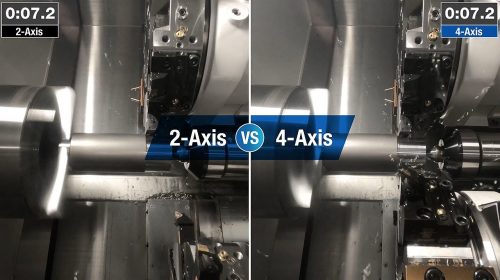
Automation trends also include multi-tasking CNC lathe machines and flexible manufacturing cells. Modern lathes are capable of performing turning, milling, threading, and drilling operations within a single setup. When combined with automated material handling and robotic arms, these machines create flexible manufacturing cells that can adapt to different part types and batch sizes.
This approach reduces the need for multiple setups, minimizes human intervention, and accelerates production cycles. Flexible cells are particularly valuable for custom or small-batch production, where efficiency and precision are both critical.
Enhanced Safety and Ergonomics
Automation also improves safety and ergonomics in CNC lathe factories. By automating repetitive and potentially hazardous tasks, factories reduce the risk of operator injuries. Enclosures, interlocks, and automated emergency stop systems further enhance safety, while ergonomic workstations and remote monitoring minimize operator fatigue.
Energy Efficiency and Sustainable Operations
Sustainability has become a key focus in automated CNC lathe factories. Energy-efficient motors, regenerative drives, and automated coolant systems help reduce power consumption while maintaining high productivity. Automation also enables more precise material usage, minimizing waste and supporting environmentally responsible manufacturing practices.
Conclusion
Automation is reshaping the landscape of CNC lathe factories, enabling higher efficiency, improved precision, and safer working environments. Key trends include robotic material handling, automated tool management, CAD/CAM software integration, IoT-based smart monitoring, multi-tasking cells, and enhanced safety measures. These advancements allow manufacturers to optimize production, reduce operational costs, and respond quickly to changing market demands.
By embracing these automation trends, CNC lathe factories can achieve consistent quality, faster turnaround times, and sustainable production practices. The integration of technology and automation not only enhances competitiveness but also ensures that modern manufacturing operations can meet the increasing demand for precision-engineered components across diverse industries.