

In the modern visual communication industry, display and signage materials play a crucial role in attracting attention and delivering clear messaging. Whether used in retail environments, exhibitions, or outdoor advertising, the choice of material directly affects durability, print quality, and overall visual impact. As businesses increasingly demand high-performance solutions, polymer-based films have become essential in achieving both design flexibility and long-term reliability.
Among these materials, PETG stands out for its excellent combination of clarity, toughness, and ease of fabrication. It is widely used in applications where both aesthetics and structural strength are required, making it a preferred choice for professional signage systems.
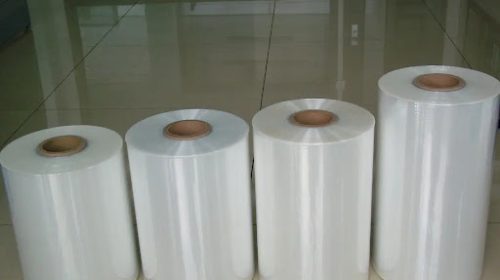
In many display projects, designers look for materials that maintain visual quality while withstanding physical stress. This is where PETG film plays an important role, offering high transparency, impact resistance, and excellent thermoforming capability that allows it to be shaped into creative and durable display structures.
Table of Contents
ToggleExcellent Optical Clarity for Visual Impact
One of the most important factors in signage and display materials is visual clarity. PETG offers exceptional transparency, allowing graphics, printed content, and lighting effects to appear sharp and vibrant. This makes it especially suitable for retail displays, illuminated signage, and point-of-sale materials.
Unlike some plastics that may appear cloudy or yellow over time, PETG maintains its clarity even after prolonged exposure to environmental conditions. This ensures that displays remain visually appealing for longer periods, reducing the need for frequent replacement.
Its smooth surface also enhances print quality, allowing colors and images to stand out with high definition and consistency.
High Impact Resistance for Long-Term Durability
Display and signage materials are often exposed to handling, transportation, and environmental stress. PETG offers strong impact resistance compared to many traditional transparent plastics, making it less likely to crack or break under pressure.
This durability is particularly important in public spaces such as shopping malls, airports, and trade shows, where signage must remain intact despite frequent interaction or movement.
Key durability advantages include:
- Resistance to cracking under impact
- Improved longevity in high-traffic environments
- Reduced maintenance and replacement costs
Because of these properties, PETG is often chosen for reusable display systems and long-term signage installations.
Thermoforming Flexibility for Creative Designs
Modern signage design increasingly relies on three-dimensional structures and customized shapes. PETG’s excellent thermoforming properties make it highly suitable for these applications.
It can be easily heated and formed into curved, folded, or complex geometries without losing clarity or structural integrity. This allows designers to create visually engaging displays that go beyond traditional flat panels.
Common thermoformed signage applications include:
- 3D retail display stands
- Curved advertising panels
- Custom exhibition booths
- Product showcase enclosures
This flexibility gives brands more creative freedom to design impactful visual environments.
Compatibility with Printing and Finishing Techniques
PETG is widely used in signage because it performs well with various printing and finishing methods. It supports high-quality graphic reproduction, making it suitable for both decorative and informational displays.
It is compatible with several printing technologies, including UV printing and digital printing, which are commonly used in commercial signage production. The material’s smooth surface ensures strong ink adhesion and consistent color output.
Additionally, PETG can be laminated, cut, and shaped without significant loss of quality, making it a versatile option for complex signage projects.
Lightweight Structure with Strong Performance
Another advantage of PETG in signage applications is its lightweight nature combined with strong mechanical performance. It is easier to transport, install, and handle compared to heavier glass or rigid acrylic alternatives.
Despite being lightweight, it still offers excellent structural strength, which makes it suitable for both indoor and semi-outdoor signage systems.
This balance of weight and durability helps reduce installation costs while maintaining long-term stability.
Resistance to Environmental Factors
Signage materials are often exposed to varying environmental conditions such as sunlight, humidity, and temperature changes. PETG performs well under these conditions, maintaining its clarity and structural integrity over time.
While it is not a fully outdoor-grade material in extreme environments, it performs effectively in indoor and semi-protected outdoor applications. Its resistance to moisture and many chemicals also helps preserve printed graphics and surface quality.
Versatile Applications in Display Industry
PETG is used across a wide range of signage and display applications due to its adaptability and performance characteristics. Common uses include:
- Retail point-of-sale displays
- Advertising boards and panels
- Exhibition and trade show structures
- Lightbox covers and transparent signage
- Product display cases
Its versatility allows it to be used in both temporary promotional setups and permanent installations.
Sustainability and Modern Material Trends
As industries move toward more sustainable materials, PETG is gaining attention for its recyclability and efficient processing. It requires relatively low forming temperatures, which helps reduce energy consumption during manufacturing.
Its durability also contributes to sustainability by extending product lifespan and reducing material waste from frequent replacements. These factors align with the growing demand for environmentally responsible signage solutions.
Conclusion
PETG film has become a popular choice in display and signage applications due to its outstanding clarity, impact resistance, and thermoforming flexibility. It supports creative design possibilities while maintaining durability and visual quality in demanding environments.
As visual communication continues to evolve, PETG remains a reliable material that meets the needs of modern signage systems, offering a strong balance between performance, aesthetics, and efficiency.


